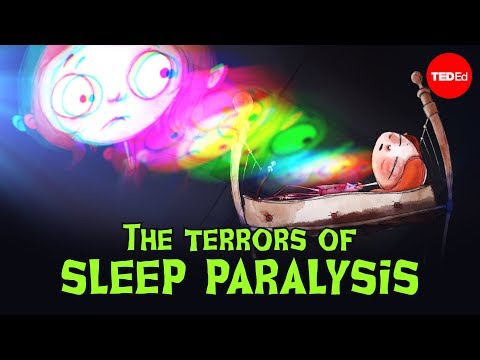
Okay, so let’s talk about nightmares. You know those dreams where you wake up in a cold sweat, heart racing? Yeah, those are not just random weirdness; they can mess with your head more than you think.
And then there’s sleep paralysis. Oof! It’s like being stuck between sleeping and waking up, and suddenly there’s this pressure on your chest. Ever been there? It’s terrifying!
What’s wild is how these experiences connect to your emotions and psychological state. They’re not just spooky; they’re telling you something about what’s going on inside.
So, pull up a chair! We’re diving into the why behind these nighttime terrors. And trust me—it’s all about what your mind is grappling with when the lights go out.
Exploring the Psychological Aspects of Sleep Paralysis: Causes and Connections
Sleep paralysis can feel like a scene straight out of a horror movie. You know, that moment when you wake up but can’t move, and there’s this eerie presence around you? It’s creepy and unsettling, for sure. But what’s going on in your head during these moments? Let’s unpack those psychological aspects here.
First off, sleep paralysis usually happens when you’re caught between the stages of **wakefulness** and **sleep**. Your body is still in the *REM (Rapid Eye Movement)* phase, which is when dreaming occurs. Interesting, right? During REM, your brain sends signals that essentially paralyze your muscles to prevent you from acting out your dreams. But if you wake up before this paralysis wears off—bam! You’re awake but unable to move.
Now, let’s not forget about **stress** and **anxiety**. These two emotional heavyweights can make sleep paralysis more likely. Ever had a particularly stressful week? Those worries can seep into your dreams and affect your quality of sleep. When you’re anxious or feeling overwhelmed, it’s easier to slip into that state of sleep paralysis.
Another factor is **sleep deprivation**. If you’re not getting enough shut-eye—maybe because of work or just binge-watching your favorite series—you might be setting the stage for some spooky nighttime experiences. Lack of sleep messes with your body’s natural rhythms and can lead to disturbances in REM sleep.
There’s also a link between **nightmares** and sleep paralysis. If nightmares aren’t uncommon for you, there might be a connection with those terrifying moments of paralysis we talked about earlier. Nightmares can leave you feeling unsettled when waking up; add in the inability to move and you’ve got yourself a real fright fest.
Social isolation plays a role too; it’s intriguing how our minds work! Feeling disconnected or lonely could heighten anxiety levels—again making those unnerving experiences more likely.
Also remember—some folks have genetic predispositions that could make them more susceptible to these experiences, so if it runs in the family, that might explain some things too!
In summary:
- Sleep Paralysis happens between wakefulness and REM sleep.
- Stress and anxiety significantly contribute to episodes.
- Lack of Sleep increases chances of experiencing it.
- Nightmares often connect with sleep paralysis incidents.
- Social Isolation can also heighten anxiety levels.
- Genetics might play a part as well.
So next time you have one of those freaky sleepless nights full of panic or dread, remember—it’s all tied up in how our minds handle stress and chaos during our most vulnerable moments: sleep!
Understanding Sleep Paralysis: Unraveling the Nightmares and Their Causes
Sleep paralysis can be pretty frightening. You know, when you wake up and feel totally unable to move or speak? It’s like your body is still asleep but your mind is wide awake. This odd experience can feel really scary—almost like a nightmare that sticks around after you wake up.
What Causes Sleep Paralysis? Well, there are a few factors that contribute to it. One biggie is sleep deprivation. If you’re not getting enough ZZZs, your body may not transition smoothly between sleep stages. That’s when sleep paralysis often kicks in.
Another common factor is stress. Think about it—when you’re stressed out, your mind races, and so does your body’s reaction to it. Increased anxiety can mess with your sleep patterns and make incidents of sleep paralysis more likely.
And here’s an interesting tidbit: sleep disorders, like narcolepsy or insomnia, can increase the likelihood of having sleep paralysis episodes. People with narcolepsy often experience sudden muscle weakness or “cataplexy” during emotional moments, which is pretty intense.
You might also find that sleeping on your back increases your chances of dealing with these freaky episodes. When you’re lying flat on your back, some think it messes with how well oxygen gets to your brain while you sleep—don’t ask me why; just know it’s a thing!
Now let’s talk about the nightmares. It’s super common for people experiencing sleep paralysis to have intense dreams or hallucinations at the same time. Imagine waking up frozen while feeling an ominous presence in the room—it’s creepy! These experiences can lead some folks to believe they’re being attacked or watched, which adds another layer of fear.
So what if this happens to you? It can be helpful to create a bedtime routine that promotes relaxation before hitting the hay! Relaxation techniques like meditation or deep breathing exercises could help calm those racing thoughts.
Remember when I said stress plays a part? Focusing on managing stress through exercise or hobbies could also be beneficial in preventing those pesky episodes from happening too often.
Finally, if you’re dealing with frequent episodes of sleep paralysis and it gets in the way of living life fully—don’t hesitate to reach out for help from a mental health professional who understands these experiences.
The journey through understanding and managing things like sleep paralysis can feel overwhelming at times—you’re definitely not alone in this weird nighttime struggle!
Understanding Nightmares: Unraveling the Psychological Reasons Behind Disturbing Dreams
Nightmares can feel like those unwanted guests that crash your sleep party. They wake you up in a cold sweat, and sometimes even leave you feeling rattled for the rest of the day. They’re more common than you might think; about 50% of people report having them at some point in their lives. So, what’s going on in our heads when we experience these haunting dreams? Let’s take a closer look.
What Triggers Nightmares?
There are several psychological reasons behind nightmares. Stress and anxiety are big players here. If you’re dealing with something heavy in your life—like work pressure or relationship troubles—your brain might process those emotions while you’re asleep, leading to vivid nightmares.
Also, trauma can be a major trigger. For example, if you’ve experienced something really distressing, like an accident or loss, it can seep into your dreams. Psychologically, it can manifest as a way for your mind to try and cope or make sense of what happened.
The Role of Sleep Disorders
Sometimes nightmares go hand in hand with sleep disorders, like REM Sleep Behavior Disorder. In this case, your brain doesn’t fully block out movement during REM sleep (that’s when dreaming happens), so you might act out your dreams. It’s not just unsettling; it can also lead to physical harm if you’re thrashing around.
Also notable is sleep paralysis. Ever been awake but unable to move? That’s maybe one of the creepiest feelings ever! It’s often paired with vivid hallucinations (like something creepy lurking) during this state of temporary immobility. Stress and anxiety can make both these experiences more frequent.
Your Mind’s Way of Processing
Nightmares are often seen as a way for your mind to process intense emotions or experiences. Think about it: if you’ve had a tough day or faced an upsetting situation, those feelings don’t just vanish when you go to bed. Instead, they might show up in dream form—a way for your mind to sort through everything that happened.
It’s kind of like how some people talk about their problems—just with more monsters and scary scenarios!
Children vs Adults
Kids often have nightmares too! But they tend to fade as they grow older; adults usually stick with them longer because we have so much more on our plates emotionally. Kids’ nightmares can be linked to fears about things like school or friends—they’re trying to navigate their little worlds!
Adults face different challenges: financial stressors, relationship issues…you name it. Those concerns spill over into our dreams way more than we’d like them too.
Coping Strategies
So what do you do if you’re dealing with frequent nightmares? Keeping a dream journal could help track patterns and triggers—for instance, noticing that certain stressors lead to restless nights. Talking things out with someone—a friend or therapist—can also ease the burden you’re carrying.
Consider relaxation techniques before bed too: deep breathing exercises or meditation might create a calmer environment for sleep so the monsters stay away.
In short? Nightmares may feel like they’re wreaking havoc on our nights but understanding their roots gives us insight into our minds—and offers ways to manage them better!
Nightmares and sleep paralysis. Those are terms we all know too well, right? You’re in the middle of a dream, where everything feels super real, and then suddenly—bam! You wake up in a panic, heart racing, maybe even sweating. Ever had that gut-wrenching feeling?
I remember one night, I had this nightmare where I was running from something sinister. You know those dreams where you’re trying to scream but your voice just doesn’t come out? It felt like I was trapped in my own head. When I finally jolted awake, it took me a good few minutes to shake off that feeling of dread. My body was awake, but my mind was still stuck in that dark place.
So, what’s going on with these haunting experiences? Well, from a psychological standpoint, nightmares often stem from anxiety or stress. They’re like your brain’s way of processing feelings that you might not even be fully aware of when you’re awake. If you’re going through something tough—like work stress or relationship issues—your brain might unleash all those feelings through vivid dreams.
Sleep paralysis is another beast altogether. That’s when you wake up and find yourself unable to move or speak for a few seconds or even minutes. It can feel like someone’s sitting on your chest or there’s this eerie presence in the room with you. It’s super scary! The thing is, it often happens during transitions between sleep stages—like when you’re waking up from REM sleep. Your mind wakes up before your body does, which can create this disorienting experience.
Both nightmares and sleep paralysis can feel isolated and lonely; it’s tough to explain them to someone who hasn’t been through it themselves. But seriously, there are millions of us out there who have had these experiences! Talking about them helps break down some of that fear.
If you find yourself stuck in cycle of bad dreams or painful paralysis episodes—well—that’s totally valid! Reaching out for support either through friends or a mental health professional can really shine some light on those shadows creeping into your nighttime world. Because at the end of the day, we all deserve some peace as we drift off into dreamland!