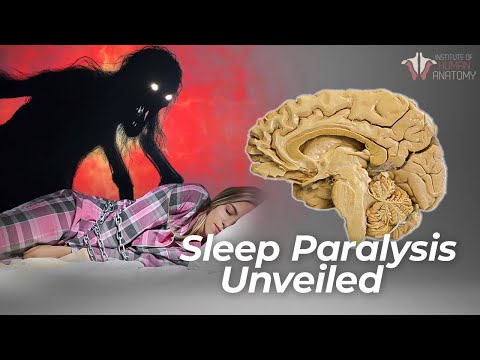
Alright, so let’s talk about sleep paralysis. Ever had that weird moment when you wake up but can’t move? Your brain’s awake, but your body just won’t cooperate. It’s like being stuck in a dream you want to escape from.
I remember the first time it happened to me. I was frozen, staring at the ceiling, feeling this weight on my chest. And then—bam! I saw shadows creeping closer. It felt so real and terrifying.
That was my introduction to sleep paralysis nightmares. A total mind trip where reality and dreams blur together, leaving you feeling vulnerable and anxious.
You’re not alone if this has happened to you—or if you even think about it when you hit the pillow. Seriously, it messes with your head more than most people realize. Let’s unpack this wild experience together!
Exploring the Connection Between Sleep Paralysis and Nightmares: What You Need to Know
Sleep paralysis is one of those things that can totally freak you out. You know, when you wake up but can’t move, and it feels like there’s this weight on your chest? It’s super scary and often linked to nightmares. Let’s break down what’s going on here.
What Is Sleep Paralysis?
So, sleep paralysis happens when you’re waking up or falling asleep, and your brain is awake, but your body is still kinda in dreamland. You might feel heavy pressure or see things that aren’t really there—like shadows lurking in the corner of your room. Crazy stuff, right?
Connection to Nightmares
Now, about those nightmares. They’re intense dreams that often provoke fear, anxiety, or distress while you sleep. When mixed with sleep paralysis, they can really mess with your head. The thing is: nightmares can trigger episodes of sleep paralysis. So if you’re having a rough night filled with bad dreams, you may wake up paralyzed more often.
The Psychological Toll
Imagine waking up from a nightmare only to find you can’t move or scream? It’s enough to make anyone feel anxious about going to bed! The psychological toll can be significant and may lead to issues like insomnia or dread around sleeping. You might start avoiding sleep altogether because you’re scared of experiencing it again.
Here are a few key points to think about:
- Anxiety and Stress: High levels of stress and anxiety can increase the chances of both nightmares and sleep paralysis.
- Sleep Quality: Poor sleep habits could set the stage for these experiences.
- Sleep Disorders: Conditions like narcolepsy are linked with increased occurrences of both nightmares and sleep paralysis.
Coping Mechanisms
If this sounds familiar to you or someone close, there are ways to cope. Keeping a regular sleep schedule helps a lot! Also, reducing caffeine intake before bed could lower anxiety levels.
Some people find that sharing their experiences—talking them out—can lessen the fear associated with them. It becomes less daunting when you realize other folks go through similar stuff.
In short, while both sleep paralysis and nightmares are unnerving on their own, they tend to feed off each other; it makes for some pretty rough nights if you’re not careful! Remember: focusing on stress management and healthy sleeping habits might just be the ticket for some peace in dreamland.
Exploring the Mental Illnesses Linked to Sleep Paralysis: Understanding the Connection
Sleep paralysis can be a pretty unsettling experience. You know, that moment when you’re stuck between sleep and wakefulness, unable to move or speak? It can feel like a nightmare right out of a horror movie. But what many people might not realize is that there are some serious mental health connections tied to this phenomenon.
First off, sleep paralysis often happens during transitions in sleep cycles, especially when you’re waking up or falling asleep. It’s linked with rapid eye movement (REM) sleep, which is the stage where most of our dreaming happens. If your body doesn’t transition smoothly through these stages, you might just find yourself experiencing sleep paralysis.
People who deal with anxiety disorders are more likely to have episodes of sleep paralysis. When I was really stressed about work back in college, there were times I’d wake up frozen in my bed, feeling this overwhelming pressure on my chest. It’s terrifying! Anxiety can heighten your body’s fight-or-flight response, making the experience even more intense when it does happen.
Then there’s depression. This isn’t just about feeling sad; it can mess with your sleep patterns too. Folks dealing with depression often have disrupted REM cycles, which increases the chances of experiencing those jolting episodes of paralysis. Imagine waking up from a night filled with deep sadness only to find you can’t move—what a brutal combo!
Another interesting connection is with post-traumatic stress disorder (PTSD). For someone who has been through significant trauma, nightmares can emerge as part of their condition. Sleep paralysis may act as an unwelcome guest during these nightmares. If you’ve ever had vivid nighttime terrors tied to past traumas, getting hit with both the terror and being unable to move must feel like double trouble.
Also, let’s not forget about narcolepsy. This condition causes extreme daytime fatigue and sudden sleep attacks. Sleep paralysis is quite common among narcoleptics because their brain doesn’t regulate sleep properly at all times—so they may face these episodes much more often than others.
So why does it matter? The psychological toll of dealing with sleep paralysis isn’t just about feeling scared for a few moments in the dark. It’s about how these experiences may lead you to develop ongoing anxiety around going to bed or triggers that remind you of those helpless moments.
If you start feeling anxious or depressed because of the frequency of your episodes or if they’re paired with terrifying dreams, it might help to talk to someone—a friend or even a therapist who understands this stuff better than most folks do.
In short: understanding that strong link between mental health and sleep disturbances like paralysis is crucial for finding ways to cope and reclaiming peaceful nights is essential! Taking care of both your mind and body could help minimize those frightful experiences at night, so you can wake up rested instead of panicked!
Understanding Sleep Paralysis: The Psychology Behind This Mysterious Experience
Sleep paralysis can be, like, seriously scary. Imagine waking up and finding yourself unable to move. You’re wide awake but trapped in your own body. Pretty terrifying, right? It happens to a lot of people, but understanding what’s going on can really help ease the anxiety attached to it.
So, what is sleep paralysis? Basically, it’s a phenomenon that occurs when you’re in between sleeping and waking up. Your brain is awake, but your body is still in a kind of sleep mode where it’s paralyzed. This is totally normal during REM sleep—when most dreaming happens—but it becomes a problem when it occurs while you think you’re awake.
The psychological toll? Oh man, it’s no joke. Many folks report feeling intense fear or dread during these episodes. It’s common to experience hallucinations too. Like, you might feel a weight on your chest or see shadowy figures looming over you. This can lead to higher levels of anxiety or even depression, especially if the experiences happen often.
Here are some **key points** about the psychology behind sleep paralysis:
- Anxiety and Stress: If you’re already dealing with stress or anxiety issues, those feelings could make sleep paralysis more likely.
- Sleep Disorders: Conditions like narcolepsy can increase your risk of experiencing these episodes.
- Lack of Sleep: Not getting enough Z’s can mess with your brain’s ability to transition smoothly through sleep stages.
- Cultural Influences: Different cultures interpret sleep paralysis in unique ways—some believe in supernatural causes!
You know how dreams can sometimes feel so real? That’s similar to how sleep paralysis feels. The brain might still be dreaming while you’re stuck in that uncomfortable position—your body isn’t moving because it hasn’t fully “awoken” yet.
Imagine Jamie: she wakes up every few weeks and feels this heavy weight pressing down on her chest. It’s always at 3 AM—just like clockwork! She sees dark shadows near her bed and feels this intense fear wash over her. The next day she’s anxious about falling asleep again because she doesn’t want to go through that nightmare—both literally and figuratively.
For some people like Jamie, simply knowing they’re not alone and that these experiences are harmless can make a huge difference. It’s all about normalizing what they’re going through.
So yeah, although it feels incredibly real and frightening when you’re stuck in those moments of sleep paralysis, understanding the psychological underpinnings helps a lot. It reminds you that these episodes are temporary—and you can learn ways to cope better with them moving forward!
You know, sleep paralysis can be pretty freaky. Imagine this: you wake up in the middle of the night, but you can’t move. You’re wide awake, feeling like there’s an elephant sitting on your chest. Sounds exhausting, right?
For some folks, it doesn’t stop there. They see figures lurking in the corners of their room or feel a weird pressure that just won’t let go. Like my friend Sarah, who told me about her experience with it. She always felt this heavy presence pulling her down while she lay there terrified and unable to scream. I mean, seriously! Just thinking about it gives me chills.
So what’s going on here? It turns out that sleep paralysis happens when you wake up during REM sleep, which is when most of your dreaming happens. Your mind wakes up but your body’s still in that frozen state meant to keep you from acting out your dreams, which can turn into a bizarre nightmare scenario.
The psychological toll is real too. The anxiety and fear from these experiences can linger long after they’re over. I remember Sarah saying she started avoiding sleep altogether because she was so scared of facing those nightmares again—and that just adds to the exhaustion and dread. That cycle becomes vicious; the more you fear it happening, the more it likely will.
People don’t always realize how much impact those terrifying moments can have on mental health overall. It’s not just dismissed as “oh, it’s just a bad dream.” For many, such episodes lead to increased anxiety or even depression over time because they start questioning their own grasp on reality—like “am I really safe in my own bed?” You follow me?
So if someone’s dealing with sleep paralysis nightmares, it’s important for them to talk about what they’re experiencing and how it’s affecting them mentally. There are ways to approach this; cognitive behavioral therapy has shown some promise in helping people cope with those intense feelings and break the cycle of fear.
At the end of the day, it’s crucial not to brush off those experiences as just “spooky stories.” They can be deeply rooted in our minds and have lasting effects if we don’t take them seriously—after all, everyone deserves a good night’s sleep without any creepy visitors!