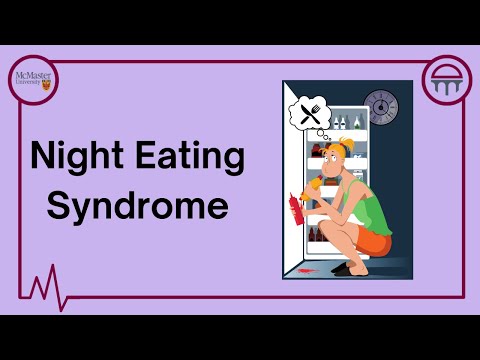
You ever find yourself raiding the fridge at midnight? Yeah, me too. There’s just something about those late-night cravings that pulls you in.
But, let’s be real—sometimes that midnight snack is more than just hunger. It can tie into some deeper stuff, like anxiety or stress.
I’ve seen friends struggle with this. They snack all night, and it’s not really about the food. It’s their mind racing and needing a distraction.
So what’s up with nighttime eating and mental health? It’s a maze, and there’s a lot to unpack here. Let’s chat about it!
Understanding Nocturnal Eating Syndrome: Causes, Symptoms, and Treatment Options
Nocturnal Eating Syndrome (NES) is a condition that can really mess with your sleep and your overall well-being. It’s more than just midnight snacking; it’s like, when you find yourself binging on food during the night, often without even realizing it. So, what’s going on here? Let’s break it down.
Causes
The reasons behind nocturnal eating syndrome can be pretty complex. One major factor is stress and anxiety. When life gets overwhelming, some people turn to food for comfort. Others might struggle with depression, feeling low or hopeless and using food as a pick-me-up, even if just momentarily.
Also, there are links between NES and other sleep disorders. If you have trouble sleeping or wake up frequently at night, there’s a chance you could find yourself hitting the fridge without a second thought.
And let’s not forget the role of lifestyle factors. Irregular eating schedules or heavy consumption of alcohol and caffeine can also contribute. Seriously, think about how good it feels to snack while binge-watching your favorite show late at night!
Symptoms
Recognizing the signs of NES is super important if you’re trying to figure out what might be going on. Here are some common symptoms:
- Binge eating at night: You might eat large amounts of food during nighttime hours.
- Lack of awareness: Sometimes you may not even remember these nighttime eating episodes.
- Feeling guilty: After eating, feelings of guilt or shame can wash over you.
- Disrupted sleep: Waking up frequently or having trouble getting back to sleep after indulging.
Imagine this: You wake up in the middle of the night with no memory of how you got there, feeling full from snacks that seem outta nowhere! It can feel pretty confusing.
Treatment Options
Addressing NES involves a mix of strategies that target both the eating habits and any underlying mental health issues.
Cognitive Behavioral Therapy (CBT): This approach helps change negative thought patterns related to eating habits and addresses any emotional triggers linked to stress or mood disorders.
Nutritional counseling: Working with a dietitian can help establish healthier nighttime routines and develop balanced meals throughout the day so you’re less likely to binge later.
Medication:: Sometimes medications designed for associated conditions like anxiety or depression may help reduce symptoms. But that’s definitely a conversation to have with your doctor.
In short, if nocturnal eating syndrome is impacting your life or sleep quality, don’t hesitate—reach out for support. Addressing these patterns early can make a world of difference!
Exploring the Most Common Psychiatric Disorders Associated with Night Eating Syndrome
Night Eating Syndrome (NES) is something that many people don’t talk about but affects more folks than you might think. Basically, it’s a pattern where you eat large amounts of food during the night—like, after dinner. This is usually accompanied by a lack of appetite in the morning. The thing is, NES often doesn’t exist in isolation; it’s commonly linked to a variety of psychiatric disorders.
Depression is one of the big players when it comes to NES. Many people with depression can find themselves waking up at night feeling empty or down. Instead of catching Z’s, they grab snacks or meals as a way to cope with those dark emotions. Eating can provide temporary relief or comfort but, unfortunately, it’s not a long-term solution. That cycle can create even more distress.
And then there’s Anxiety. You know how sometimes your mind just won’t shut off? Well, for some folks, that anxiety kicks in at night when everything else quiets down. It leads them to seek comfort in food when they’d rather be sleeping. The anxiety around eating—or even just being awake—can worsen feelings of guilt and shame the next day.
Binge Eating Disorder (BED) closely intertwines with NES as well. It shares similarities like eating large amounts of food in one sitting and feeling out of control during episodes. For someone with BED who eats mostly at night, that nighttime binge can fuel a vicious cycle—eating at night leads to feelings of guilt and shame during the day, which can then trigger another round of bingeing at night.
Let’s not forget about Sleep Disorders. There’s this back-and-forth relationship where poor sleep can lead to increased cravings for food at night—kind of like your brain doesn’t get a chance to hit the reset button! Conditions like insomnia make falling asleep difficult and keep you tossing and turning, leading you right to the fridge instead.
Another aspect that’s worth mentioning is Substance Use Disorders. People might turn to drugs or alcohol as coping mechanisms; these substances can change your appetite and sleep patterns dramatically. So if someone is already dealing with these challenges, it could seriously mess with their nighttime eating habits.
In addition to all this emotional turmoil, there are also things like low self-esteem that creep into this whole picture. If you’re feeling bad about yourself during the day, you might resort to nighttime eating as a way to cope or fill an emotional void.
So what does this all mean? Essentially, if nighttime eating becomes habitual and starts impacting your daily life—like work performance or relationships—it could be worth reaching out for help! Seriously! It’s nothing to be ashamed about because connecting NES with underlying mental issues helps paint a clearer picture of what needs addressing for overall well-being.
Being aware of these links is super important because it opens up conversations around treatment options too. Therapy approaches like Cognitive Behavioral Therapy (CBT) have been shown really effective in tackling both NES and its associated mental health disorders together.
Recognizing you’re not alone? That moment can be powerful! You’re part of a bigger conversation around mental health that has room for everyone—even those late-night snacks!
Effective Strategies to Overcome Night Eating Syndrome and Improve Your Sleep
Night Eating Syndrome (NES) can be really tough to deal with. The thing is, it’s more than just a few late-night snacks. It often ties into mental health issues like depression or anxiety, which can make sleep feel like an impossible dream. So, if you’re finding yourself munching away at midnight and struggling to catch some Z’s, here are a few strategies that might help.
1. Recognize Triggers: Take a moment to think about what prompts your nighttime eating. Are you stressed? Bored? Or just too tempted by that leftover pizza? Keeping a food diary can help shine some light on your habits and emotions.
2. Create a Relaxing Evening Routine: Seriously, winding down is key! Try setting up a bedtime ritual that helps signal your body it’s time for sleep. Maybe dim the lights, play some calming music, or indulge in reading a good book instead of scrolling through your phone.
3. Watch What You Eat During the Day: Sometimes overeating at night stems from not fueling yourself properly during the day. Make sure you’re eating balanced meals packed with nutrients. Feeling full and satisfied through the day makes it easier to resist those nighttime cravings.
4. Limit Accessibility: Do you have snacks easily within reach at night? If they’re right there, it’s tempting to dive in! Try keeping them out of sight—or better yet, don’t stock up on unhealthy snacks when you grocery shop.
5. Stay Hydrated: Thirst is often mistaken for hunger; drinking enough water throughout the day can help curb those late-night munchies. Keep a glass of water by your bedside so if you wake up feeling hungry, you might just need a drink instead.
6. Seek Support: You don’t have to tackle this alone! Talking with friends, family or even joining support groups can make a world of difference. Sharing how you feel helps relieve that weight off your shoulders.
7. Consider Professional Help: If nighttime eating feels out of control and it’s messing with your sleep or mental health, seeking guidance from therapists or nutritionists could be beneficial. They can help tailor strategies based on your unique needs.
Look, overcoming Night Eating Syndrome isn’t going to happen overnight (pun totally intended). There will be ups and downs as you work towards better habits—so be kind to yourself along the way! Remember that improving sleep and breaking the cycle of nighttime eating takes time and persistence but it truly is possible!
So, nighttime eating—it’s something that many of us can relate to, but not always in a good way. I mean, have you ever found yourself raiding the fridge at 2 AM, munching on whatever you can find? It’s like your brain decides that’s the perfect time for a snack attack. But here’s the thing: it can be more than just late-night cravings. There are some real connections between nighttime eating and mental health issues.
Let me tell you about my friend Jamie. She used to keep a full pantry stocked for those long nights. You know, she’d sit up binge-watching her favorite shows with chips and ice cream by her side. Jamie didn’t think much of it at first—it was just part of her routine. But over time, she noticed that her late-night snacking came with some emotional baggage. If she had a tough day or felt overwhelmed, those snacks became her go-to comfort.
What’s interesting is that this kind of eating pattern is linked to things like anxiety and depression. When you think about it, it makes sense! Late at night, when everything’s quiet and your thoughts start swimming around like little fish in your head, it’s easy to reach for food as a way to cope or distract yourself from stressors. You might not even be hungry; you’re just seeking that quick hit of comfort.
Research has shown that people who struggle with mental health issues often have irregular eating patterns—like eating late at night or turning to food for emotional support instead of sustenance. This combo can create a cycle that’s tough to break because while you’re trying to soothe your mind with snacks, you might end up feeling guilt or shame afterwards—leading right back into those negative thought patterns.
And let’s not forget about sleep! Eating heavy foods close to bedtime can mess with your shut-eye too, leaving you feeling tired and cranky the next day. So it’s like this vicious cycle where poor sleep fuels anxiety or stress and then leads right back to unhealthy nighttime munching.
Now don’t get me wrong; enjoying food is totally normal! But if it starts interfering with your mental well-being or shows up as an escape hatch from life’s curveballs, it could be worth taking a closer look. Talking things out with someone—a friend or a therapist—can really help in figuring out what those late-night snack sessions are all about.
Basically, recognizing these connections might help you shift from an all-you-can-eat buffet at midnight to finding healthier ways to cope when those feelings arise—and trust me; it’s super liberating!