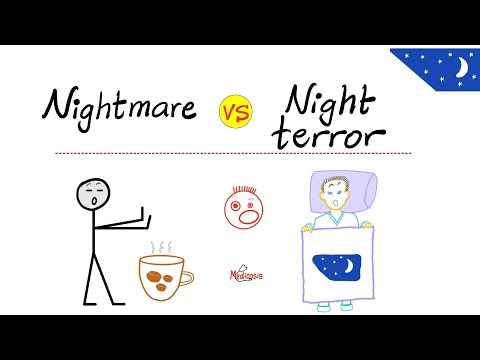
Hey, you ever wake up in a panic, heart racing like you just ran a marathon, and then realize it was all just a bad dream? Yeah, that’s what we’re talking about.
Nite terrors. Sounds kinda spooky, right? They’re those wild moments when your brain plays tricks on you while you’re snoozing. You think you’re dreaming sweetly, but then BOOM! You’re in the middle of some terrifying scene you can’t escape.
It’s not just kids who deal with this; adults can get caught in the freaky web of sleep disorders too. Seriously, it’s like your mind throws a crazy party when you’re supposed to be resting.
So let’s unravel those shadows and figure out what nite terrors really are, why they happen, and how we can handle them when they strike.
Understanding Adult Night Terrors: Common Causes and Solutions
Adult night terrors, or sleep terrors, can be really unsettling. You know those moments when you wake up in a cold sweat, heart racing, from a dream that felt way too real? Yeah, that’s the kind of thing we’re talking about. They’re not just bad dreams; they can leave you feeling disoriented and scared. So let’s chat about what causes these episodes and how to deal with them.
Understanding What Night Terrors Are
Night terrors are part of a group of sleep disorders called parasomnias. They usually occur during deep sleep, which is when your brain is less responsive. If you’ve ever jolted awake screaming or in a panic but had no memory of what scared you—well, that’s likely a night terror.
Common Causes
There are several reasons why someone might experience night terrors:
What You Can Do
If you’re experiencing adult night terrors regularly, there are strategies to help manage them:
If It Gets Serious
If you find these solutions aren’t working and those night terrors keep crashing your sleep party, it might be time to reach out for help—like talking to a therapist who understands sleep disorders or even consulting with a sleep specialist.
In my friend Sarah’s case, she struggled with frequent night terrors linked directly to her job’s pressure cooker environment. After recognizing this pattern and seeking therapy alongside improving her sleep hygiene habits—she noticed a remarkable difference over time.
So yeah, while adult night terrors can feel pretty overwhelming, understanding their causes—and implementing some changes—can make them much easier to handle in the long run!
Effective Strategies to Stop Night Terrors and Improve Sleep Quality
Night terrors can be seriously unsettling, not just for the person experiencing them but for anyone sharing a space. They’re like these wild nightmares that wake you up in a panic, often without any clear recollection of what happened. So, if you or someone close to you is dealing with this issue, figuring out ways to manage it can make a real difference. Let’s break down some effective strategies.
Understanding Night Terrors
First off, night terrors are more common in kids but can pop up at any age. They happen during deep sleep, usually within the first few hours after falling asleep. What’s wild is that most people have no memory of these episodes afterward, which makes them even creepier.
Establish a Sleep Routine
One of the best things you can do is create a consistent sleep schedule. This means going to bed and waking up around the same time every day—yes, even on weekends! Our bodies love routine and having regular sleep patterns helps regulate your internal clock.
Create a Relaxing Sleep Environment
Your bedroom should feel like a cozy sanctuary. Keep it dark, quiet, and cool. Consider blackout curtains or eye masks if light is an issue. White noise machines or soothing sounds might help drown out distractions too.
- Avoid Stimulants: Steer clear of caffeine and nicotine at least four to six hours before bed.
- Wind Down: Spend some time doing calming activities before bed—maybe reading or meditating.
- Avoid Screens: The blue light from phones and tablets messes with your melatonin levels. Try to put them down at least 30 minutes before hitting the hay.
Your Mind Matters
Sometimes night terrors can be linked to stress or anxiety. Taking care of your mental health could really help reduce those scary episodes.
- Talk it Out: Sharing your thoughts with someone close can ease anxiety levels.
- Meditation and Mindfulness: Simple breathing exercises can make a big difference in calming racing thoughts.
- Cognitive Behavioral Therapy (CBT): If night terrors are severe, consider talking to a therapist about CBT techniques which reshape how you think about fears.
Avoid Heavy Meals and Alcohol Before Bed
Eating late at night or drinking alcohol closer to bedtime can disrupt sleep quality. Your body’s busy digesting when it should be resting—so stick with light snacks if you’re hungry!
If All Else Fails, Seek Help
If night terrors don’t improve with these changes, don’t hesitate to talk to a doctor or sleep specialist. Sometimes more serious underlying conditions could be contributing factors that need attention.
In my experience chatting with friends who’ve dealt with this stuff—well, they found that simply being proactive about their nighttime worries made their days so much better too! It’s all connected: better sleep leads to better mood during the day.
So remember: you’re not alone in this! Starting off small with one or two strategies might lead you toward more peaceful nights and brighter mornings!
Exploring Sleep Disorders That Trigger Night Terrors: Causes and Insights
Sleep disorders can seriously mess with your life, right? One of the scariest ones out there is night terrors. These are not just regular nightmares; they’re way more intense and can leave you feeling like you’ve run a marathon—without even waking up. Let’s talk about what causes these freaky episodes and how they fit into the broader picture of sleep disorders.
What Are Night Terrors?
So, night terrors usually happen during deep sleep, which is part of the non-REM sleep cycle. You might wake up screaming or in a total panic, but here’s the kicker: most people don’t even remember what happened the next day! It can be super confusing for anyone witnessing it too, like watching a horror movie unfold in real life.
Who’s Affected?
Kids are more likely to experience night terrors. But adults can get them too! They’re often linked to stress, anxiety, or sleep deprivation. Imagine being super stressed about work and then suddenly waking up in the middle of the night feeling like something’s chasing you—that’s what it’s like.
Causes of Night Terrors
There are a few things that might trigger these episodes:
- Sleepless Nights: Not getting enough sleep can toss your whole sleep cycle outta whack.
- Stress and Anxiety: If your mind’s racing during the day, it might keep racing at night.
- Fever: Believe it or not, sometimes being sick can set off night terrors.
- Certain Medications: Some drugs used for depression or ADHD might also have this side effect.
- Genetics: If someone in your family has had night terrors, you might be more prone to them too.
The Science Behind It
There’s this theory called ‘sleep stage instability.’ Basically, your brain waves aren’t stabilizing properly when you’re supposed to be sleeping deeply. When things go haywire there, that’s when those scary moments pop up outta nowhere.
Here’s a quick story: let’s say Sarah was juggling work stress and family issues. One night she goes to bed exhausted but can’t switch her brain off. Suddenly she wakes up screaming as if she’s running from a monster—but she has no idea why. That confusion and panic? Classic signs of a night terror episode.
Treating Night Terrors
Managing them is all about figuring out what’s behind ‘em. Here are some ideas:
- Improving Sleep Hygiene:You know, creating a chill bedtime routine—getting comfy, dim lighting—stuff like that.
- Treating Underlying Issues:If you’re stressed out or anxious, talking to someone about it can help.
- Avoiding Stimulants:Caffeine or heavy meals before bed? Maybe skip ‘em!
So yeah, if you or someone you know deals with this scary nighttime stuff, understanding what’s going on is half the battle. It can feel isolating to experience something so intense while everyone else seems blissfully asleep—but you’re definitely not alone in this!
Night terrors can be pretty intense, right? I mean, picture this: you’re sound asleep, and then suddenly, boom! You’re jolted awake, heart racing, feeling like you’ve just escaped from a nightmare. You know those moments when you wake up and can barely remember why you’re so scared? That’s night terrors for you.
So what actually happens during one of these episodes? Well, they usually occur during deep sleep—specifically during non-REM (Rapid Eye Movement) stages. This is the kind of sleep where your body goes kinda offline. You’re not dreaming like you do during REM; instead, it’s more of a physiological response that can look quite dramatic if someone’s watching. They might see someone sit up in bed, shout or cry out, even thrash around a bit. Super scary stuff!
Now here’s the kicker: most people who experience night terrors don’t even remember them the next day. Can you imagine waking up feeling all shaken but having no clue why? It’s like your brain pulled a prank on you that you’re not in on! For some folks—especially kids—night terrors are totally normal and tend to diminish as they grow older. But for adults? Well, it can get trickier.
I once had a friend who dealt with night terrors into his twenties—and man, it was rough for him. He’d wake up sweating and panting after one of those episodes and would be completely lost about what just happened. It took some time for him to realize that stress was playing a huge role in his sleepless nights. Once he started figuring out how to manage that stress—like talking with someone about it and cutting back on caffeine—it made a huge difference.
But hey, everyone’s experience is different! If night terrors are ruining your rest or scaring the people around you—who might be waking up thinking there’s something seriously wrong—you might wanna consider chatting with a professional about it. Because while they’re often harmless (and yes, sometimes outright weird), they can also signal something deeper going on in your life.
So if you or someone you care about is struggling with this shadowy sleep disorder, know that you’re not alone in this eerie world of night fears—it’s just another part of the wild ride we call sleep!