You know, there’s something super frustrating about not being able to sleep. I mean, like, really not being able to sleep. For some folks, it’s not just the occasional restless night.
Imagine your body’s clock just doesn’t want to play along. That’s what Non-24 is all about. Your internal clock goes haywire—waking up when you should be sleeping and vice versa.
And it can mess with your head big time. You start feeling down, anxious, or even like you’re losing grip on reality sometimes. It’s tough! You go from one sleepless night to another, feeling like a zombie.
So let’s chat about it a bit—the ups and downs of living with Non-24 and how it takes a toll on your whole vibe. Sound good?
Understanding Non-24: Exploring Its Classification as a Neurological Disorder
Non-24, also known as Non-24-Hour Sleep-Wake Disorder, is a sleep condition that affects a lot of folks, often without them even realizing it. So what’s the deal with this disorder, and why does it matter? Well, let’s break it down.
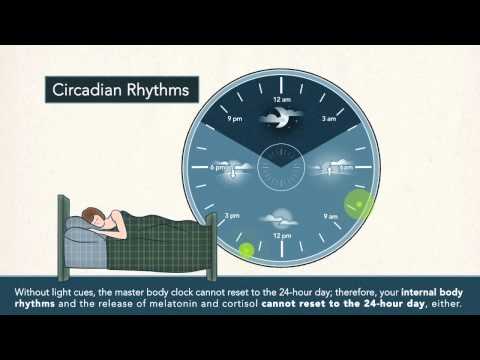
First off, Non-24 messes with your internal body clock, which is supposed to run on a 24-hour cycle. You know how you wake up and fall asleep around the same time every day? That’s usually thanks to what’s called your circadian rhythm. For people with Non-24, this rhythm doesn’t quite fit the typical 24-hour schedule. Instead, it can drift longer—often around a 25 or even 26-hour cycle.
Imagine trying to keep up with a friend who always shows up late. It’s frustrating! Over time, you might just stop making plans altogether. Well, that’s kind of what happens to people with Non-24. They struggle to maintain a consistent sleep pattern because their wakefulness and sleepiness are out of sync with the rest of the world.
- Trouble Falling Asleep: This might sound simple but think about how hard it is to get some shut-eye when it just doesn’t feel like night yet.
- Daytime Sleepiness: Folks can feel super tired during the day but then wide awake at night. It’s like living in a constant jet lag situation.
- Mood Swings: Constantly shifting sleep patterns can lead to mood swings or feelings of depression and anxiety. Seriously, not getting enough rest takes a toll on your mental health!
Interestingly enough, Non-24 isn’t officially classified as a psychiatric disorder. Instead, it’s considered more of a neurological disorder. This means it has roots in brain function rather than just emotional or psychological issues. There’s something deeper going on in how the brain processes signals related to sleep-wake cycles.
This distinction matters because understanding where Non-24 fits into the larger puzzle of health helps shape treatment approaches. You wouldn’t treat someone suffering from diabetes with counseling alone; they need medical intervention too! The same goes for Non-24: therapies focus on realigning circadian rhythms rather than just managing symptoms through behavioral approaches.
A common experience among individuals dealing with this disorder is feeling isolated or misunderstood because their struggle often isn’t visible to others. Imagine trying explain your exhaustion when everyone else seems fine — that can be tough! You might feel like nobody really gets how hard it is when you’re stuck awake while everyone else is asleep.
This lack of visibility makes living with Non-24 emotionally taxing; many people cope by isolating themselves or withdrawing from social situations due to their unpredictable sleep patterns.
The good news? There are treatments available that can help! Medications such as melatonin or other circadian rhythm regulators can be prescribed by professionals who understand how Non-24 works. But finding someone knowledgeable about this condition can sometimes be an uphill battle itself!
So yeah, understanding Non-24 means recognizing its unique classification as a neurological disorder while also being aware of its psychological impact on well-being. It’s really about finding balance and getting support from friends or professionals who can help navigate these challenges together.
Understanding Non-24: Its Impact on Daily Life and Mental Well-Being
Non-24, or Non-24-Hour Sleep-Wake Disorder, is a pretty tricky condition. It’s mostly seen in folks who are totally blind, but it can affect others too. The deal is that your body’s internal clock, or circadian rhythm, gets way out of sync with the typical 24-hour day. So, what you’re dealing with here is a cycle that doesn’t reset all the time. Instead of sleeping and waking up at typical times, you might find yourself feeling sleepy at odd hours.
Imagine this: You’re trying to keep a job or maintain relationships while your sleep schedule shifts every day. One night you’re wide awake while everyone else is asleep; the next night you’re crashing out just as the sun comes up. This kind of inconsistency can feel like mental torture over time.
Living with Non-24 can really mess with your daily life. Here’s how:
- Sleep disruption: It’s not just about being tired; it’s about being exhausted in a way that impacts everything—your mood, focus, and even physical health.
- Mood swings: When you’re constantly battling fatigue, it’s easy to get irritable or down. Imagine needing to go to work after a night of broken sleep—it’s tough!
- Social isolation: Friends might not understand why you can’t hang out late or go to events that start in the evening.
- Cognitive issues: With sleep all over the place, concentrating becomes a real challenge. You might feel foggy or forgetful.
The psychological toll on wellbeing can be serious too. Chronic fatigue isn’t just physically draining; it weighs on your mental health like an anchor pulling you down. You may struggle with anxiety because every day seems unpredictable. That constant uncertainty can leave you feeling trapped in this never-ending cycle.
Think about people who live with conditions like this—they often develop coping strategies over time. You know? Something simple like scheduling activities during your «good» hours may help but requires planning and self-awareness that could feel exhausting on their own.
It’s also key to talk about treatment options if you’re dealing with Non-24. There’s no one-size-fits-all solution here, but some folks have found melatonin supplements helpful for resetting their internal clocks in small doses as needed. Behavioral therapy could also play a role by teaching healthier sleep habits and addressing any underlying anxiety.
In summary, living with Non-24 means navigating life without a reliable sleep pattern—it’s confusing and often frustrating! If this sounds familiar to you or someone else, reaching out for support can lead to better strategies for managing this condition and improving overall well-being.
So yeah, while it may seem daunting at first, understanding what you’re dealing with is half the battle!
Understanding Non-24: Is It Classified as a Disability?
Non-24 is one of those terms that sounds a bit confusing, right? So, let’s break it down. Basically, Non-24-Hour Sleep-Wake Disorder is a condition where your internal body clock doesn’t sync up with the 24-hour day. That means your sleep and wake cycles can shift—like, seriously shift—from day to day. If you’ve ever felt like you were living in a different time zone than everyone else, you might get what it’s like.
Now, regarding whether Non-24 is classified as a disability, that’s a bit of a nuanced topic. It doesn’t automatically get labeled as a disability in the same way other conditions might. But it can greatly affect your quality of life and daily functioning. For some people, it can lead to serious sleep deprivation, mood changes, or even difficulty concentrating during the day.
Let’s consider Sarah. She works as an accountant and used to be super sharp about deadlines and numbers. Since her Non-24 kicked in, she has struggled to stay awake during meetings or focus on tasks when she’s actually supposed to be working. That leads to feeling frustrated and overwhelmed—she’s not just tired; she feels like she’s constantly battling her own body!
When it comes to formal classifications of disabilities under the Americans with Disabilities Act (ADA), it typically hinges on how much the condition limits major life activities. If Non-24 severely impacts your ability to work or carry out daily routines, some folks might qualify for certain protections or accommodations at work or school.
It’s important for someone living with Non-24 to connect with healthcare professionals who understand sleep disorders well. There are treatments available that can help manage the symptoms—like light therapy or melatonin—but figuring out what works best can take time.
Living with Non-24 is more than just struggling to fall asleep or stay awake; it’s about how this condition touches every part of life: work, relationships, even social interactions. It’s like trying to navigate through fog when you’re not sure which direction you’re headed.
Here are some key points regarding Non-24:
- Symptoms: Disrupted sleep patterns leading to inconsistent wake times.
- Diagnosis: Often requires detailed sleep logs and consultations.
- Treatment: Options include light therapy and melatonin.
- Impact: Can severely affect personal and professional lives.
- Disability Status: Not automatically classified but may qualify under certain circumstances.
In short, understanding Non-24 goes beyond just knowing its name; it’s essential to recognize the real-life impacts this condition can have on wellbeing. There’s no one-size-fits-all answer when it comes to classification as a disability—but awareness about its effects is definitely growing!
Imagine waking up every day, but the time feels off. Like, you know what time it is meant to be, but somehow your body begs to differ. That’s pretty much what living with Non-24 can feel like. It’s this sleep disorder that affects people who are totally blind or have significant vision loss. Their internal biological clock just can’t sync with the 24-hour day, making it super tough to keep a regular sleep schedule.
I once knew someone who dealt with this. They’d wake up at 3 AM one day and then, the next day? Well, they might not even fall asleep until late afternoon. Can you imagine trying to keep a job or maintain relationships under those circumstances? It messes with everything—your energy levels, mood swings, focus… and let’s not even talk about the anxiety that creeps in when you feel like you’re floating through a dream while everyone else seems wide awake.
But here’s the kicker: the psychological toll is real. The constant struggle leads to frustration and that feeling of isolation. You want to hang out with friends but just can’t muster the energy because your body clock is spinning wildly out of control! It’s exhausting—like running a marathon where no finish line ever shows up.
What happens over time? Your mental health can take a hit. You start doubting yourself or growing anxious about when you’ll collapse into bed next. It’s not just about feeling tired; it’s more like an emotional rollercoaster where every twist and turn throws you off balance.
Therapy could be a real game-changer here—not necessarily to fix things directly (because there isn’t really a magic cure), but for managing everything else that comes crashing down on you: the stress, the feelings of loneliness, and maybe even some guilt for needing so much more understanding than most people do when it comes to sleep.
So if you—or someone you know—are living with Non-24, remember: you’re not alone in this battle against your own circadian rhythm! There are ways to cope through therapy and support groups where sharing experiences can lighten that hefty load on your shoulders.