Imagine waking up one day and realizing that your internal clock is totally out of sync. You’re feeling alert when everyone else is winding down. That’s the reality for folks dealing with Non-24 Hour Circadian Rhythm Disorder.
It’s a mouthful, right? But it’s more common than you might think, especially among people who are blind or visually impaired. So here’s the thing: Not only does it mess with sleep, but it can really take a toll on mental health too.
Like, picture being super tired all the time or feeling anxious because your body just won’t cooperate with the usual routines. It can be frustrating! Let’s chat about how this little-known condition impacts life and what we can do about it. Seriously, it’s worth understanding!
How Circadian Rhythm Disruption Impacts Mental Health: Understanding the Connection
So, let’s chat about circadian rhythms and how they can totally mess with your mental health. Circadian rhythms are basically your body’s internal clock. They help regulate sleep, wakefulness, and a whole bunch of other stuff. When these rhythms get out of whack, it’s not just about feeling sleepy during the day; it can really impact your mood and mental well-being.
First off, let’s break down what happens when your circadian rhythm is disrupted. This can occur for a variety of reasons—shift work, travel across time zones, or even just staying up too late scrolling through social media. It’s like if you keep switching the time on your clock; your body gets confused. And when that happens, you might start experiencing issues like:
- Increased anxiety: When your sleep cycles are messed up, stress hormones can spike.
- Depression: There’s a strong link between irregular sleep patterns and feelings of sadness or hopelessness.
- Cognitive impairments: Struggling to focus? Yeah, lack of sleep can mess with memory and attention spans.
Let me tell you about a friend of mine who worked night shifts for years. At first, he was all good—thought he was handling it fine. But over time? He started feeling anxious all the time and couldn’t concentrate at work. Eventually, that led to some depressive episodes that he hadn’t experienced before. It was a tough ride for him.
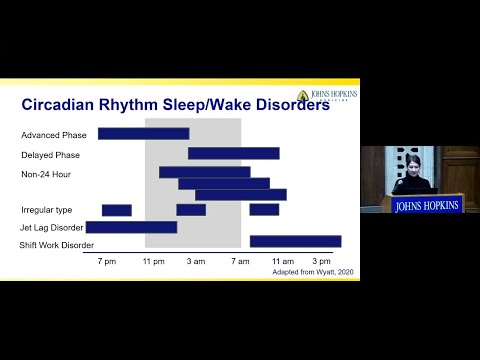
Now, consider those with conditions like Non-24-Hour Sleep-Wake Disorder—a mouthful for sure! Basically, their internal clocks don’t align with the usual 24-hour cycle. This means they might feel alert at night but completely out of it during the day. It’s frustrating as heck! This disorder is common among blind people but can affect anyone.
So why does this matter? Well, here are some important things to think about:
- Sleep quality matters: Good sleep helps regulate mood and cognitive functions.
- Routine is key: Keeping a consistent schedule helps maintain balance in our internal clocks.
- Light exposure: Natural light in the morning and minimizing blue light before bed supports healthy rhythms.
By aligning daily activities with natural light patterns—like getting outside during daylight—you’re sending positive signals to your brain and body.
In summary? Disrupted circadian rhythms can lead to serious mental health issues like anxiety and depression while wreaking havoc on focus and memory. So if you notice those symptoms creeping up because your sleep isn’t quite right? It might be worth thinking about how you’re living day-to-day—or chatting with a pro who gets this stuff.
Taking steps to restore that rhythm could make a world of difference in how you feel!
Understanding the Impact of Circadian Rhythm on Mental Health and Well-Being
Circadian rhythm is like your body’s internal clock. It helps regulate sleep, wakefulness, and other physical processes over a roughly 24-hour cycle. Think of it as a natural rhythm that tunes your body to the environment, helping you feel awake during the day and sleepy at night.
For many of us, this rhythm stays pretty consistent. But for some people, it doesn’t quite fit into that neat 24-hour schedule. This is known as Non-24-Hour Circadian Rhythm Disorder, or Non-24 for short. Basically, their internal clocks run longer than 24 hours. So they might struggle to get to sleep at the same time every night or find themselves waking up at odd hours.
Now, what’s the big deal? Well, when your body’s clock is out of sync with the world around you, it can seriously mess with your mental health and well-being. Imagine trying to study for an exam but feeling like you’re wide awake at 3 a.m.—and then utterly exhausted by mid-afternoon. That’s what some folks with Non-24 experience.
Here are some ways Non-24 can impact mental health:
- Sleep Disorders: Lack of regular sleep can lead to insomnia or excessive sleepiness during the day.
- Anxiety and Depression: Constantly feeling out of sync can contribute to feelings of anxiety or depression.
- Cognitive Function: Disrupted sleep patterns make it harder to focus and remember things.
- Mood Swings: Irritability and mood swings become more common when you’re not getting quality rest at stable times.
Let me tell you about my friend Sarah. She’s always been a night owl but recently found herself unable to get good rest on a regular schedule because her body clock ran longer than 24 hours. The effect on her mood was noticeable; she became more anxious about her work deadlines and started losing interest in things she loved doing—like painting or hanging out with friends.
So what’s going on here? You see, Circadian rhythms aren’t just about sleep; they also help control hormones that affect mood and energy levels. Disruption in these rhythms leads to less melatonin production at night—and too little melatonin means poor quality sleep. Over time, this combination can lead someone down a path where mental health issues really take root.
On a brighter note, understanding how circadian rhythms work opens up options for those struggling with Non-24. Some new treatments are starting to emerge—like light therapy—to help reset those internal clocks and promote better sleep behavior Overall though? Just knowing what’s happening inside can take some weight off your shoulders.
In closing (not really closing), adjusting schedules or seeking professional advice might be helpful if you’re finding yourself wrestling with something similar—or if someone you care about does! Awareness is half the battle when it comes to mental well-being.
Understanding the Late Morning Chronotype: How Your Animal Traits Influence Mental Health
Sure! Let’s break down the concept of the late morning chronotype and how it might mess with your mental health a bit. It’s like this whole world of sleep rhythms, and it’s pretty fascinating.
So, what’s a **late morning chronotype**? Well, it basically means you’re more of a night owl than an early bird. You feel more alert and productive during the late morning hours. The thing is, your body has a natural rhythm—called a **circadian rhythm**—that affects when you feel sleepy or awake. For some folks, this can get out of whack.
Now here’s where it gets interesting: people with a late chronotype often experience something called **non-24 hour circadian rhythm disorder**. This is when your internal body clock doesn’t align with the 24-hour day. You might find yourself falling asleep at odd hours and waking up just as weirdly, which isn’t fun at all.
How does this relate to mental health? Well, let me tell you—it can really mess with your mood and overall well-being. Here are some of the ways it influences mental health:
- Increased fatigue: Having trouble with your sleep schedule can leave you feeling tired and worn out. Fatigue can lead to irritability and difficulty concentrating.
- Higher anxiety levels: When you’re not sleeping well, anxiety has a way of creeping in. Poor sleep is linked to heightened feelings of stress.
- Risk for depression: Studies suggest that those who have chronic sleep issues are at a greater risk for depression over time.
- Cognitive effects: If you’re not aligned with that 24-hour rhythm, it could mess with your brain function—a bit like trying to think through fog.
For example, imagine someone who really thrives later in the day but works a typical 9-5 job. They might struggle to get out of bed early in the morning. This could lead to them feeling rushed, missing breakfast (a big no-no for mental clarity), and starting their day all frazzled instead of centered.
So why does this happen? It partly ties into our evolutionary biology—think animal traits here! Back in the day, humans had different roles based on their sleep patterns; some hunted at dawn while others scavenged later on in the day or night. Now we’re all mixed up in one big society where it feels like everyone’s expected to be productive at similar times.
Here’s an emotional take: think about nights where you just can’t seem to wind down after work while everyone else is dozing off peacefully. It feels isolating and frustrating—like you’re on a different planet sometimes! That disconnect can build up feelings of shame or loneliness if you don’t fit into that “normal” schedule society promotes.
In short, understanding where you fall on that chronotype spectrum can make all the difference in managing mental health effectively. If you’re struggling with these odd sleep cycles or feeling off mentally because of them, seeking professional help might be seriously worth considering!
So yeah—embracing your late morning style could be key! Adapting routines that fit your unique rhythm is vital for both your emotional health and daily functioning. Your mind—and body—will thank you!
You know, when I first heard about non-24-hour circadian rhythm disorder, I thought it was just a fancy way of saying someone couldn’t keep track of time. But after doing a little digging, I realized it was so much more than that. Imagine trying to follow a routine but the universe keeps shifting on you. That’s what folks with this disorder deal with.
So, here’s the deal: our bodies are supposed to have this internal clock that runs on a roughly 24-hour cycle. It’s what helps regulate sleep, mood, and pretty much everything else under the sun. But for some people—especially those who are totally blind or have other vision-related issues—the clock doesn’t work like it’s supposed to. Their cycle can drift longer than 24 hours, making nights and days all jumbled up.
Let’s say you’re someone with this condition—picture waking up one day at noon feeling refreshed and ready to take on the world, only for the next week to find yourself falling asleep at sunrise and waking up in the middle of the night. It’s like a never-ending game of musical chairs where you never get your spot back. And seriously, that can take a toll on your mental health.
Imagine having trouble just getting through basic daily tasks because your body clock is outta sync with everyone else’s. You might feel moody or anxious when you’re completely wiped out because you’ve been awake for 20 hours straight while all your friends are sleeping peacefully in their beds. After some time, that messes with your mental state too—it can lead to depression or increased anxiety.
I met someone who actually dealt with this kind of rhythm issue for years. They’d go through cycles of feeling super energetic one week and then totally drained the next week—like riding an emotional rollercoaster that never ends. Just hearing about their struggle made me realize how important sleep really is—not just for physical health but for emotional well-being as well.
The thing is, there’s not a simple fix here; it’s more complicated than just popping some melatonin or drinking chamomile tea before bed (though hey, those could help!). Some folks find success with light therapy or adjusting their sleep environment to create more stability.
But the silver lining? There’s always hope! With proper support—whether from therapy or medication—you can find ways to manage these ups and downs better. It might require some trial and error to see what works best for you but don’t lose heart! Your body’s rhythm doesn’t have to dictate your happiness; there are ways around it!