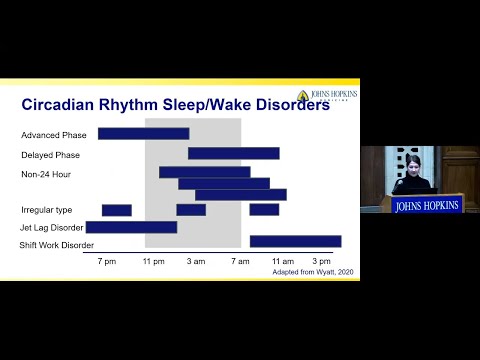
You ever feel like your internal clock is just totally out of whack? Like, one minute you’re wide awake at 2 a.m., and the next, you can barely keep your eyes open at noon? Yeah, some folks deal with that on a regular basis. It’s called Non-24 Hour Circadian Rhythm Disorder. Bit of a mouthful, huh?
What’s wild is how much this messes with your mental health. Seriously. It’s not just about being tired—it’s about feeling off in every way possible. You might find yourself battling anxiety or dealing with mood swings just because your body can’t figure out day from night.
So let’s break it down together. We’ll talk about what it is, how it feels, and most importantly, what you can do to navigate through the ups and downs. Sound good? Alright then!
Effective Strategies for Managing Non-24-Hour Sleep-Wake Disorder: A Comprehensive Guide
So, let’s talk about Non-24-Hour Sleep-Wake Disorder. It’s a mouthful, huh? But basically, it messes up your sleep cycle because your body’s internal clock doesn’t quite sync with the usual 24-hour day. This can make life pretty tricky. Sometimes you’re awake all night and sleeping through the day. That’s gotta be frustrating!
Understanding Your Body Clock
Your body has this thing called a circadian rhythm. Picture it like a thermostat that helps regulate when you feel sleepy or alert. For most people, this rhythm is set to the normal 24-hour schedule. But for someone with Non-24, it can feel more like an ever-shifting game of musical chairs—your ‘chair’ just keeps moving!
Keeping a Sleep Journal
One effective strategy is to keep a sleep journal. It’s super simple: just write down when you go to bed, when you wake up, and how you feel throughout the day.
Seeing everything laid out can give you insights into what might help shift your schedule in the right direction.
Scheduling Consistency
Next up is consistency. Yeah, I know—it sounds boring! But seriously, try to stick to a routine as much as possible. Go to bed and wake up at the same time daily—even on weekends if you can swing it!
Think of it like teaching a dog new tricks; repetition is key.
Light Exposure
Then there’s light exposure—this stuff plays a huge role in resetting your circadian rhythm! During the day, soak up natural sunlight whenever possible. Go for walks outside or sit by windows; just find ways to be exposed to light!
At night? Well, avoid bright screens from phones and TVs before bed since they trick your brain into thinking it’s still daytime—definitely not what we want! Dim those lights and give yourself some time before bed to wind down.
Cognitive Behavioral Therapy (CBT)
If things are still tough after trying all this stuff, consider looking into Cognitive Behavioral Therapy (CBT) specifically for insomnia (CBT-I). It’s all about identifying and changing thoughts or behaviors that mess with your sleep cycle.
Medications
Sometimes medication may come into play too—don’t panic though; it isn’t always necessary! There are specific options out there if you’re looking for assistance from healthcare professionals.
A Quick Emotional Anecdote
I remember chatting with my friend Jamie who struggled with this disorder for years. It was really hard for her at first; she felt trapped in her own schedule while everyone else lived their regular lives during the day. After starting a journaling routine and consistently adjusting her light exposure habits over time, she finally got some control back—and wow, did it change things!
So yeah—all of these strategies together can create a toolkit that helps manage Non-24-Hour Sleep-Wake Disorder effectively over time. You’re not alone in this journey; reach out to professionals who understand what you’re going through!
Understanding Non-24: Exploring Its Nature as a Neurological Disorder
So, let’s talk about **Non-24 Hour Circadian Rhythm Disorder**—it’s a mouthful, right? But don’t let that scare you. This condition can really mess with your sleep-wake cycle, and it’s more common than you might think, especially among people who are totally blind.
What is Non-24?
Basically, it’s when your body clock doesn’t sync up with the usual 24-hour day. Most of us have a circadian rhythm that follows the day-night cycle. But for some folks, their internal clock runs longer than 24 hours—think like 25 or 26 hours. So each day, they’re shifting later and later.
Let’s say you’re trying to live a normal life but every night feels like a new adventure in insomnia. One person I talked to shared how after years of struggling with Non-24, they felt completely isolated. Friends would be chatting about their weekend plans while they were wide awake at odd hours, feeling like an outsider in their own life.
How Does It Happen?
It sounds wild, but it mostly comes down to how our brains process light and darkness—the natural signals we get from the environment that help set our internal clocks. If those signals get messed up (like in people who are blind), then it’s tough for the body to figure out when it’s time to sleep or rise.
Treatment Approaches
Managing Non-24 isn’t easy since there’s no one-size-fits-all solution. Some people find relief through:
Honestly, talk about frustrating! Just imagine going through this struggle day after day without any real understanding or guidance—it can chip away at your mental well-being.
If you think this might resonate with you or someone you know, connecting with a healthcare professional who understands Non-24 is key. There may not be an easy fix right now, but understanding what you’re dealing with is the first step toward navigating this tricky journey.
So keep this in mind: our bodies are complex machines influenced by all sorts of factors—from light exposure to mental health—and sometimes they just don’t play nice together!
Understanding the Key Differences Between Non-24 and Delayed Sleep Phase Syndrome (DSPS)
So, let’s chat about sleep, specifically two conditions that can totally mess with your snooze schedule: **Non-24 Hour Sleep-Wake Rhythm Disorder** and **Delayed Sleep Phase Syndrome (DSPS)**. Both can leave you groggy and out of sync with the world around you, but they’re not the same. Understanding the differences can be super helpful, especially if you or someone you know is dealing with them.
Non-24 Hour Sleep-Wake Rhythm Disorder, or just Non-24 for short, is a condition mostly hitting people who are totally blind. Their bodies don’t get the usual cues from sunlight to help set their internal clock. So what happens? Their sleep-wake cycle drifts longer than 24 hours. Imagine trying to keep a schedule when every day your bedtime gets pushed later and later! It’s like being on a never-ending carousel where you’re always slightly off from everyone else.
Now let’s break down Delayed Sleep Phase Syndrome (DSPS). This one often affects teens and young adults—think of it as having a natural night owl tendency. People with DSPS have a biological clock that tells them to sleep much later than typical bedtime hours. So if you’re the kind of person who feels super awake at midnight but struggles to rise before noon, that could be DSPS talking! The tricky part? Society usually expects folks to be bright-eyed and bushy-tailed by 8 AM, which just doesn’t work for someone with DSPS.
Here’s how they differ:
- Circadian Rhythm Alignment: Non-24’s rhythm is misaligned because it drifts longer than 24 hours, while DSPS is just shifted later within that 24-hour framework.
- Causes: Non-24 often ties back to blindness (or low light perception), whereas DSPS might stem from genetics or lifestyle choices.
- Symptoms: Someone with Non-24 may experience insomnia as they struggle against their shifting schedule; on the flip side, those with DSPS usually find it hard to wake up in the morning but can sleep well once they’re out.
- Treatment: For Non-24, bright light therapy at specific times can help reset the internal clock; however, managing DSPS often leans more on good sleep hygiene practices and behavioral strategies that encourage an earlier bedtime.
It’s pretty wild how these conditions affect people differently based on how their body clocks tick. Just imagine trying to fit in with friends when you’re wide awake while everyone else is ready for bed. It can lead to some serious feelings of frustration or isolation.
Getting clued into these differences not only helps in self-awareness but also aids in seeking the right help if needed. Therapy isn’t just about talk; sometimes working through funky sleeping patterns takes some real strategy too! If any of this rings a bell for you or someone close, reaching out for professional advice could really make a difference.
So yeah, understanding your own rhythm—or where it goes off track—can be an important step towards better sleep and overall mental health!
So, let’s chat about this thing called Non-24 Hour Circadian Rhythm Disorder. It sounds pretty fancy, but it’s really just a mouthful for something that affects a lot of folks in ways you might not even think about. Basically, your circadian rhythm is like your body’s internal clock. It helps regulate everything from when you feel sleepy to when you’re wide awake. But what if that clock is all out of whack?
Imagine trying to live your life while feeling like you’re perpetually jet-lagged. That’s what it can be like for someone with Non-24. Your body wants to follow a 24-hour cycle—kind of like everyone else—but instead, it drifts longer and longer each day. So today, maybe you’re up all night and sleep in fits during the day. Tomorrow? Who knows? You might flip-flop again and find yourself wide awake at a wedding you didn’t want to miss (trust me, that happened).
I once knew a friend who struggled with this disorder. He would plan hangouts or important meetings around this invisible wall he was hitting every time his sleep pattern would change unpredictably. There were nights he’d be energized at 2 AM, bouncing off the walls while everyone else snoozed in their cozy beds. The next day though? He’d be dragging himself through life like a zombie; totally wiped out and grumpy.
What can make it even trickier is how closely tied our mental health is to sleep patterns. Sleep issues can lead to anxiety or depression, which in turn mess around with your sleep—it’s this vicious cycle! So addressing Non-24 means not only tackling those sleep issues but also understanding the emotional rollercoaster that comes with it.
Doctors might suggest using light therapy or melatonin supplements, which could help reset that internal clock of yours. Basically, exposing yourself to bright light at the right times can signal your body when it’s time to wake up or wind down.
It’s all about finding what works best for you because everyone’s journey is super unique! And remember—if you’re feeling overwhelmed by this struggle, reaching out for support isn’t just okay; it’s seriously a good move! Whether it’s therapy or just talking things out with friends who understand… being open about what’s going on can make everything feel a bit less heavy.
So yeah, navigating Non-24 isn’t easy; it’s like dancing on shifting sands sometimes! But recognizing how it affects not just your daily life but also your mental health can be the first step toward finding some balance again.