Hey, you ever heard of Non-24 Sleep-Wake Disorder? It’s one of those things that sounds kinda out there, right? Like a fancy term for something we all deal with—sleep.
But here’s the thing: it’s actually more complicated than just counting sheep. Imagine being totally wide awake when the rest of the world is snoozing away. Not fun, huh?
This disorder messes with your internal clock, leaving you feeling like you’re living in a different time zone—deeply frustrating. And it doesn’t just throw off your sleep; it can totally mess with your mood and mental health too.
Stick around; we’re gonna unpack all this together. It’s wild what lack of sleep can do!
Understanding Non-24: Exploring Its Classification as a Neurological Disorder
Non-24 Sleep-Wake Disorder, often just called Non-24, is one of those conditions that doesn’t get a ton of airtime. But it can really mess with your life. Basically, it’s a sleep disorder that makes it tough for people to maintain a regular sleep schedule. Think of it this way: while most folks have a pretty consistent 24-hour internal clock, people with Non-24 might not adhere to that. Let’s break it down.
What is Non-24?
So, here’s the deal. It occurs mainly in individuals who are totally blind but can also affect those who aren’t. It’s when your body’s circadian rhythm—this fancy term for your internal biological clock—just drifts away from the typical day-night cycle. One night you might be awake during the day and sleeping at night; then, the next thing you know, you’re flipping all over the place.
Classification as a Neurological Disorder
Non-24 is classified as a neurological disorder because it relates closely to how your brain processes signals about light and time. Your central nervous system takes cues from sunlight to regulate sleep patterns. If this system doesn’t function properly, you’re likely to experience irregular sleep-wake cycles.
This isn’t just about feeling groggy or having trouble getting up in the morning; it’s more than that! You might find yourself feeling anxious or irritable because of lack of sleep. Or maybe you’re struggling to focus at work or school. That brings us to psychological effects…
The Psychological Impact
Living with Non-24 can lead to some serious emotional struggles. Many people experience significant stress due to their unpredictable sleep schedules; they might feel like they’re in a constant battle with their own body.
For example, imagine having an important meeting at 9 AM but finding yourself wide awake at 3 AM for the third night in a row. You’d probably be frustrated—and let’s be honest—maybe even panicked about how tired you’d feel during that meeting!
A lot of folks also report feeling isolated since their schedules can clash with family and friends’ normal routines. That isolation can deepen feelings of anxiety or depression over time.
Treatment Options
Now you might wonder what’s out there for help with Non-24? Sadly, there isn’t a one-size-fits-all answer here. Some medications can help regulate sleep patterns; these aim to stabilize that pesky circadian rhythm and make life feel more manageable.
There are also lifestyle shifts that could help! For instance, sticking closely to a sleep schedule—even on weekends—can give your brain some structure it desperately needs.
You know, if you think about what other conditions like chronic insomnia bring into someone’s life—it’s kind of similar here but with its own unique flavor! So many layers pack into this multi-faceted condition.
In short, understanding Non-24 isn’t just academic; it’s personal for many who deal with it daily! The thing is—it affects every aspect of life when your brain’s rhythm is out of sync!
Understanding Non-24-Hour Sleep-Wake Disorder: Symptoms, Causes, and Management Strategies
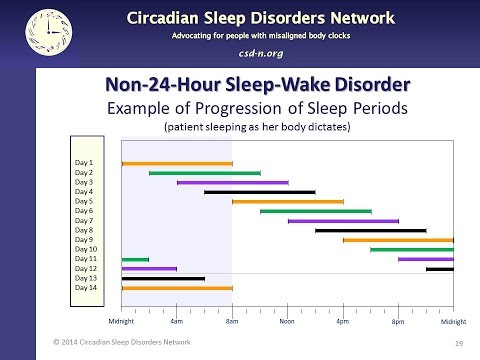
Non-24-Hour Sleep-Wake Disorder might sound like a fancy term, but let’s break it down. Basically, it’s a condition where your internal body clock doesn’t sync up with the usual 24-hour day. Instead, it drifts, which can seriously mess with your sleep schedule. So you’re probably wondering—what does that look like in real life?
Symptoms are pretty tough to ignore. You could be feeling really tired during the day because your nighttime sleep keeps shifting later and later. Picture this: You fall asleep at 10 PM one night, then the next night you’re tossing and turning until 2 AM. That shift can leave you feeling groggy and irritable since you’re not getting the rest you need.
Some common symptoms include:
- Insomnia: Struggling to fall asleep or stay asleep.
- Excessive daytime sleepiness: Feeling super drowsy when you should be awake.
- Mood swings: Feeling cranky or emotional because of disrupted sleep.
- Poor concentration: It’s hard to focus when you’re exhausted!
Now, let’s talk about causes. It’s often seen in people who are totally blind since their eyes don’t pick up light cues that help regulate our body clocks. But it can happen to anyone! The thing is, if your circadian rhythm—the body’s natural clock—is out of whack, that’s a recipe for chaos in your daily routine.
So what about management strategies? Here are a few ideas to consider:
- Light therapy: Exposing yourself to bright light during waking hours can help reset that body clock.
- Cognitive-behavioral therapy (CBT): This kind of therapy helps change unhelpful thoughts around sleep and create healthier habits.
- Scheduling sleep: Try going to bed and waking up at the same time every day—even on weekends!
- Avoiding screens before bed: Seriously, those blue lights from phones or TVs can trick your brain into thinking it’s still daytime.
I remember chatting with a friend who dealt with this disorder. She was putting in long hours at work but couldn’t figure out why she kept dozing off at her desk. Eventually, she realized her sleep schedule was all over the place! Once she started using light therapy and sticking to a strict bedtime routine, things began to change for her.
So if this resonates with you or someone you know—just know there are ways to manage it! Getting support from healthcare professionals is key too. They understand this better than anyone and will help you find what works best for you. Taking steps towards better sleep may feel challenging at first but hang in there; it gets easier!
Understanding Non-24-Hour Sleep-Wake Disorder: A Comprehensive Test Guide
Non-24-Hour Sleep-Wake Disorder might sound like a mouthful, but it’s a real condition that can mess with your sleep cycle. Basically, it’s when your body clock doesn’t align with the usual 24-hour day cycle. Most folks have a rhythm that syncs up with the day-night pattern, but for some people, this just doesn’t happen.
Instead of sticking to a consistent sleep-wake schedule, their internal clock runs longer—often about 24 hours and 15 minutes or more. This can lead to an unpredictable sleep pattern. Imagine feeling super sleepy in the morning one day and then wide awake at the same time the next! It can really throw off daily life.
The biggest group affected by Non-24 are blind individuals since they don’t get light cues from the sun. But sighted people can experience it too; it just tends to be less common. If you’re ever struggling to find sleep when everyone else is snoozing, this might be something to think about.
Psychological Effects
Now, let’s talk about how this disorder feels emotionally and mentally. You know that deep-down tiredness you get after a bad night? Well, imagine feeling that all the time because your body just isn’t cooperating with what you need from it.
Here are some psychological effects you might face:
- Stress: Constantly trying to manage an inconsistent sleeping pattern can ramp up anxiety levels.
- Depression: The frustration of not being able to fit into society’s schedule could lead to feelings of isolation.
- Cognitive Challenges: Sleep deprivation impacts focus and memory. You could end up feeling foggy or forgetful.
- Social Withdrawal: You may find yourself avoiding social events because they conflict with your unpredictable sleep schedule.
There was this one friend I had who struggled so much with their sleep-wake disorder. They felt like they were on a never-ending rollercoaster of tiredness and alertness—the worst part was missing out on weekends with friends! They’d finally feel awake when everyone was winding down for bed. It made them withdraw from social gatherings because they couldn’t keep up, which only added to their stress and low moods.
Treatment Options
If you or someone close is dealing with Non-24, there are strategies out there that could help bring some order back into your life:
- Melatonin Supplements: These can mimic natural hormones that help regulate sleep patterns.
- Light Therapy: Using bright light at strategic times may help reset your internal clock.
- Cognitive Behavioral Therapy for Insomnia (CBT-I): This therapy focuses on changing thoughts around sleep—sometimes we just need a mindset shift.
Remember that everyone’s experience is unique, so working with healthcare professionals who understand Non-24 is key.
If this sounds familiar or if you’re grappling with erratic sleep patterns yourself, don’t hesitate to reach out for support. Finding balance in your life is so important!
Non-24 Sleep-Wake Disorder, or Non-24 for short, is when your body’s internal clock just doesn’t sync up with the usual 24-hour day. Seriously, imagine trying to keep a regular schedule when your sleep and wake times are shifting every day like a chameleon changing colors. It can take a massive toll on your everyday life.
Picture this: you’re wide awake at 3 a.m., scrolling through your phone while the rest of the world is snuggled in their beds. Then, come morning, you crash hard and end up sleeping through that important meeting or just feel totally wiped out. That’s the kind of challenge people with Non-24 face—consistently battling fatigue, cognitive fog, and irritability.
The psychological effects can be pretty intense too. Sleep deprivation isn’t just about feeling tired; it messes with your mood and can lead to anxiety or even depression. When you’re constantly feeling out of sync with everyone else, it can make you feel isolated. You might find yourself saying things like, “Why can’t I just sleep like everyone else?” That feeling of being on the outside looking in? It’s rough.
And let’s not overlook how this disorder plays tricks on your mind. Think about it: when you’re not getting proper sleep, emotions can swing all over the place. You could go from being super chill one minute to frustrated the next because you’re struggling to keep up with life’s demands—all because your body clock won’t play ball.
There are ways to tackle Non-24 though—like light therapy or medications that help stabilize those sleep patterns—but finding what’s right for you might take time and patience. So if you or someone you know is dealing with this disorder, remember that it’s okay to seek help! You’re definitely not alone in this struggle; many are navigating it right alongside you, trying to fit into that 24-hour mold while their bodies sing a different tune. Sometimes sharing those experiences and connecting with others can really lighten that load!