Hey, you ever feel like your sleep schedule is just, well, totally out of whack? Like, one night you’re wide awake at 3 AM, and the next you can’t keep your eyes open by dinner time? Yeah, that’s a real struggle.
So, here’s the thing: a lot of people deal with non-24-hour sleep patterns. It’s not just you! These quirky sleep cycles can mess with your life in some seriously frustrating ways.
Imagine trying to enjoy a day out but feeling like a zombie. Or getting that dreaded sensation of being awake when everyone else is snoozing away. Not fun, right?
In this little chat, we’ll dig into what this all means and how to cope with those sleep challenges. Buckle up!
Understanding the Non 24-Hour Sleep-Wake Disorder Test: Symptoms, Diagnosis, and Treatment Options
Alright, let’s chat about Non-24-Hour Sleep-Wake Disorder, or Non-24 for short. It’s one of those things that can really mess with your life, you know? It’s like your internal clock is on a different schedule than the rest of the world. If you’re dealing with this or know someone who is, feeling a bit lost seems pretty normal.
What is Non-24?
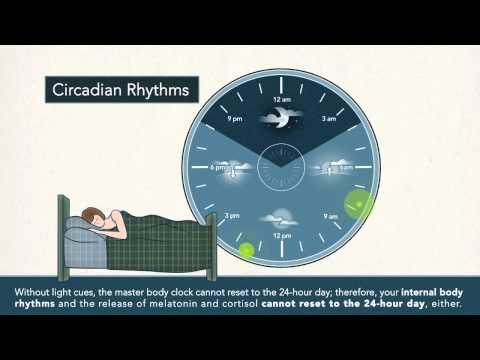
So basically, Non-24 means your sleep-wake cycle doesn’t line up with a 24-hour day. This usually happens in people who are totally blind because they don’t get light signals to help regulate their body clocks. But it can affect sighted people too! What happens is it makes it hard to fall asleep or wake up at the «normal» times, which can lead to serious sleep issues and exhaustion.
Symptoms
Alright, let’s break down some common symptoms you might notice:
Imagine waking up every few hours at different times every night. That’s what my friend Sam went through for years. He felt like he was always playing catch-up with his sleep and struggled to keep up at work and even in his friendships.
Diagnosis
Okay, so if you think you might have Non-24, what’s next? You’d typically start by visiting a doctor or a sleep specialist. They’ll probably do several things:
These steps help them see if it’s really Non-24 or something else going on.
Treatment Options
Now, let’s talk about how to tackle this beast! There are a few routes that doctors might suggest:
When Sam started going to therapy focusing on his cognitive patterns around sleep worries, things slowly began shifting for him. It wasn’t magic overnight but definitely worth it!
So yeah, dealing with Non-24 isn’t easy. It takes effort from both you and healthcare pros to get it sorted out properly. Just remember—you’re definitely not alone in this journey!
Understanding Non-24-Hour Sleep-Wake Disorder in ADHD: Causes, Symptoms, and Management
Understanding Non-24-Hour Sleep-Wake Disorder in ADHD can be a bit tricky, but let’s break it down. This disorder can really impact daily life and, honestly, it can be frustrating.
What is Non-24-Hour Sleep-Wake Disorder? Well, it’s a circadian rhythm disorder where your body clock doesn’t fit into the typical 24-hour schedule. So if you have ADHD along with this condition, it might feel like your sleep feels all over the place. You could end up going to sleep later and later each day. Over time, this can lead to serious disruptions in your routine—like work performance or school activities.
Causes of Non-24 are still being studied. It seems to be related to how your brain manages light signals and time cues. If you’re someone with ADHD, you might already have some differences in how your brain works when it comes to attention and focus. This can also mess with how your body understands when it’s supposed to sleep or wake up.
Now, let’s chat about symptoms. You might experience:
- Inconsistent sleep patterns: One night you’re up until 3 AM; the next night you crash by 10 PM.
- Excessive daytime sleepiness: Trying to stay awake during a meeting? Good luck with that!
- Difficulty concentrating: Your mind feels foggy because you’re not getting quality sleep.
Imagine trying to tackle that big work project but feeling like you’ve got a cloud hanging over your head because of poor rest—that’s what many people face.
When it comes to management, addressing Non-24 involves a mix of strategies:
- Cognitive Behavioral Therapy (CBT): This type of therapy helps change how you think about sleep and establish better habits.
- Lifestyle Changes: Think about maintaining a consistent routine. Going to bed at the same time every day (yes, even on weekends) helps a ton.
- The Right Light: Exposure to bright light in the morning can signal your body that it’s time to wake up and be alert.
Let’s say you try using light therapy in the mornings—you might find that after a while, things start falling into place more smoothly.
And hey, medication could be an option too. Some folks find that certain medications help regulate their sleep-wake cycle better. But remember! Always chat with your doc before making changes there.
So yeah, Non-24 shouldn’t stop you from enjoying life fully. With the right understanding and approach, managing these challenges becomes way more feasible!
Effective Treatments for Non-24-Hour Sleep-Wake Disorder: A Comprehensive Guide
Non-24-Hour Sleep-Wake Disorder can be a real challenge. Basically, it’s when your internal body clock, or circadian rhythm, isn’t synchronized with the 24-hour day. This can lead to some pretty frustrating sleep patterns. Individuals often find themselves going to bed later and later until they’re sleeping during the day and awake at night. Talk about a rough ride!
So, what are some effective treatments for this? Well, there are a few options you might consider.
Cognitive Behavioral Therapy (CBT) is one popular method. It focuses on changing unhelpful thoughts and behaviors related to sleep. You might work with a therapist who will help you establish healthier sleep habits. It’s like having a sleep coach who helps you figure out what works best for you.
Another treatment worth mentioning is bright light therapy. Essentially, you’re exposing yourself to bright light in the morning to reset your internal clock. This mimics natural sunlight which can cue your body into wakefulness when it needs to be awake. You can use light boxes specifically designed for this purpose or even just go outside.
Melatonin supplements also come into play here. Melatonin is that hormone your body makes that helps regulate sleep-wake cycles. If you’re taking it as a supplement, it should ideally be used under a doctor’s guidance since timing and dosage matter quite a bit—too much or too little can mess with your system.
And if you’re feeling really stuck? There are prescription medications like tasimelteon, which are sometimes used specifically for Non-24-Hour Sleep-Wake Disorder. It works by directly mimicking melatonin and helping adjust your sleep cycle more effectively than over-the-counter options, but again, you’ll want to chat with a healthcare provider about this first.
Lastly, making lifestyle adjustments can do wonders too! Here are some things that could help:
- Keep a consistent sleep schedule when possible.
- Avoid caffeine in the afternoon and evening.
- Create a calming bedtime routine.
- Limit screen time right before bed.
- Consider naps strategically—short naps only!
You know, one time I chatted with someone dealing with this disorder who felt completely lost because their friends were all on “normal” schedules while they were stuck in this endless cycle of sleeplessness. But after starting therapy and adjusting their light exposure in the morning, they slowly started finding balance again! Remember that it’s really about experimenting with different approaches until something clicks for you.
Hopefully, this gives you an idea of what’s out there for Non-24-Hour Sleep-Wake Disorder! It’s all about finding what fits into your life best and helping those restless nights turn into more restful ones over time!
You know, dealing with sleep can really be a struggle, especially when your body clock just doesn’t want to play nice. I mean, imagine trying to fit into a world that seems to revolve around this neat 24-hour schedule, but you’ve got your own thing going on. That’s what folks who experience non-24-hour sleep patterns face, and trust me, it can be pretty frustrating.
I remember a friend of mine, Alex. He always had this wild sleep schedule. One week he’d be up all night, then crashing during the day. It was like trying to catch a train that was always leaving at different times. He’d miss out on social events and even work commitments just because his internal clock didn’t align with the rest of us. It’s tough when you’re eager to join the party but your body has other plans!
Non-24 sleep patterns often happen in people who are blind or have vision impairments but can affect anyone. Basically, it’s like being stuck in this cycle where you feel awake when everyone else is snoozing and sleepy when the sun is shining. Can you imagine how disorienting that must feel? It messes with everything—your mood, energy levels, and even how well you function during the day.
So what do you do if you’re in this boat? Some people try to stick to strict routines or use light therapy as a way to reset their internal clocks. Others might turn to melatonin supplements for help regulating their sleep-wake cycle. But honestly? There’s no one-size-fits-all solution here—what works for one person might not work for another.
It’s important to give yourself grace during this journey too. Sleep can be a deeply personal thing; it’s tied to our mental health and overall well-being. So if you’re grappling with non-24 issues, remember that it’s okay to seek support from friends or professionals who get what you’re going through.
Navigating these challenges isn’t easy; it’s almost like dancing with your own shadow—sometimes you lead; sometimes it leads you! Just hang in there—you’re definitely not alone in this struggle.