You know those nights when sleep feels like a distant dream? Yeah, it’s frustrating. But for some folks, it’s more than just a bad night’s rest.
Imagine trying to keep up with life while your body clock’s playing its own game. That’s what Non-24 Sleep-Wake Disorder is all about. It messes with your routine and leaves you feeling out of sync.
Let’s talk about the impact it has on mental health, too. It’s not just about feeling tired; it’s about the emotional rollercoaster that comes with it.
So, if you’re curious about how this affects people—and maybe you or someone you know—stick around. There’s definitely more to unpack here!
Understanding Non-24: Exploring Its Classification as a Neurological Disorder
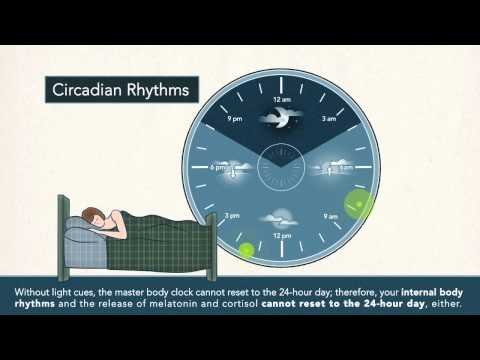
Non-24 Sleep-Wake Disorder, or simply Non-24, is a sleep condition that messes with your natural biological clock, which is also called your circadian rhythm. This rhythm typically lasts about 24 hours, and it’s what helps you feel sleepy at night and awake during the day. But for folks with Non-24, their clocks run longer than 24 hours—seriously. It can be like living in a world where time just doesn’t make sense.
So, if you’re wondering why this happens, it tends to be more common in people who are totally blind or have significant vision loss. You see, light is a key player in regulating our sleep cycles. If you can’t see the light of day, your body’s clock might just drift all over the place. Imagine trying to keep track of time on a cloudy day when you can’t see the sun!
Symptoms of Non-24 can really mess up your daily life. You might find yourself wide awake at 3 AM while everyone else is snoozing away. Then comes the day when you’re exhausted and just want to catch some Z’s during the afternoon. It feels like an endless loop of sleep deprivation and daytime fatigue—no fun at all.
Now let’s dig into why it’s classified as a neurological disorder. The brain is at the center of this whole situation—it controls physiology and various functions that regulate sleep patterns. Because Non-24 interferes with those normal processes due to dysfunction in how signals are processed related to light exposure and sleep timing, it’s recognized as a neurological disorder. This isn’t just about being a night owl or choosing to stay up late; it’s a real issue that affects how one’s brain communicates with their body.
Think about how frustrating it must be for someone living with this condition. One night they go to bed at 10 PM and wake up well-rested at 6 AM; then before they know it, they’re going to bed after midnight and waking up groggy after only a few hours of sleep. It’s not only tiring but can also lead to more serious issues like anxiety or depression because when you’re tired all the time? Well, everything gets harder.
So how do people manage Non-24? There aren’t easy fixes but treatments do exist! Some folks may turn to **light therapy**, which involves exposure to bright lights at certain times of day—kind of like reminding their brains what day it is! Others might try medications aimed at helping set their internal clocks more effectively.
In short, understanding Non-24 helps shed light on an often-overlooked condition affecting many lives out there. People dealing with it face enough challenges without adding confusion from others who may not really get what they’re going through. It’s important for everyone—friends, family members—to support those affected by this unique disorder so they can find ways to manage their symptoms better!
Exploring the Long-Term Effects of Sleep-Wake Disorders on Mental Health
Sleep-wake disorders can be a real pain, seriously. They mess with your daily routine and can totally impact your mental health. It’s kind of like trying to stay afloat in a pool with one arm tied behind your back. One of these disorders is called Non-24-Hour Sleep-Wake Disorder, or Non-24 for short. This condition often hits people who are totally blind, but it can affect sighted folks too.
When you have Non-24, your body doesn’t sync up with the 24-hour clock like most people do. Instead of sleeping at night and being awake during the day, you might find yourself drifting into sleep when everyone else is just starting their day. You get where I’m going? This irregular pattern can lead to serious consequences on both physical and mental health.
Long-term effects of having this disorder can be quite profound. Here’s what happens:
- Chronic Fatigue: Imagine feeling tired all the time! It’s hard to focus on anything when all you want is sleep.
- Anxiety: That constant exhaustion can seep into your mind and trigger feelings of anxiety. You might start worrying about how you’re going to function tomorrow, or even find yourself anxious about your sleep cycle.
- Depression: Over time, as sleep becomes more elusive and frustrating, feelings of sadness or hopelessness may creep in.
- Poor Concentration: Ever tried reading a book when you’re dead tired? It’s tough! This affects work or school performance significantly.
- Social Withdrawal: When you’re always out of sync with the world around you, it becomes easier to isolate yourself from friends and family.
Let me give you an example. Picture Sarah—a friend who battled Non-24 for years without knowing what was going on. Some days she’d wake up at 3 a.m., wide awake while her friends were still asleep. Other days she could only manage a few hours of restless sleep during the daytime while everyone else was busy living their lives. Over time, Sarah started feeling super anxious about making plans since her schedule felt unpredictable.
And if that wasn’t enough, studies show that chronic lack of sleep can lead to cognitive decline over time too! Yeah, seriously! As if life wasn’t complex enough without throwing that into the mix.
So what’s the takeaway here? Living with Non-24 is not just about weird sleeping patterns; it spills over into every part of life—mentally and emotionally. Finding coping strategies or support systems is key to managing these long-term effects effectively.
If you’re dealing with something like this or know someone who is, reaching out for help isn’t just important; it’s vital! After all, we all deserve some good quality zzz’s without paying a hefty price on our minds along the way.
Effective Strategies for Managing Non-24-Hour Sleep-Wake Disorder: A Comprehensive Guide
This is a tough topic, but let’s break it down. Non-24-Hour Sleep-Wake Disorder can really mess with your day-to-day life. Imagine trying to function when your internal clock just can’t keep up with the world around you. You might feel super tired one day and then wide awake the next, which is exhausting.
So, what exactly is Non-24-Hour Sleep-Wake Disorder? It’s mainly found in people who are totally blind, but it can affect sighted folks too. Basically, your body wants to follow a cycle that’s longer than 24 hours, like 25 or even 26 hours! It’s like living on a different schedule from everyone else.
Now, let’s talk about managing this tricky condition. Here are some effective strategies:
- Keep a Consistent Routine: Try to stick to the same sleep and wake times every day, even on weekends. I know it sounds tough, but consistency helps tell your body when it should be awake and when it should sleep.
- Light Exposure: Use light to help reset that internal clock. You wanna get natural sunlight during the day—especially in the morning—and limit bright lights in the evening. Think of light as your body’s alarm clock!
- Cognitive Behavioral Therapy for Insomnia (CBT-I): This kind of therapy focuses on changing thoughts and behaviors around sleep. A therapist can help you work through anxiety related to sleeping issues so you feel more at ease.
- Use Melatonin Wisely: Some people find melatonin supplements helpful for regulating their sleep-wake cycles. Talk to a healthcare provider about how much might be right for you.
- Avoid Naps: While naps can seem tempting when you’re feeling groggy, they could throw off your nightly sleep pattern even more.
Mental health plays a huge role here too. Dealing with constantly shifting sleep schedules can lead to feelings of irritability or mood swings. You might find yourself feeling down or anxious sometimes because it feels like you’re always playing catch-up.
As an example, think about someone who’s navigating life with Non-24 Sleep-Wake Disorder—let’s call her Sarah. Sarah has this condition and often feels out of sync with her friends and family. She tries hard to keep a routine but some days she just can’t help but crash during social events or at work meetings! Meanwhile, she’d be wide awake until 3 AM scrolling through TikTok.
This all leads back to how important support systems are in managing these highs and lows. Friends and family should know what you’re going through so they can have your back when those late-night scrolls become too much.
Anyway, if you’re struggling with Non-24-Hour Sleep-Wake Disorder or know someone who is, it’s crucial to explore these strategies together in order to bring some balance back into life again! Just remember: you’re not alone in this struggle.
Non-24 Sleep Wake Disorder, or non-24 for short, is one of those things that feels like it could only happen to someone else. You know? It’s that condition where your internal clock doesn’t sync up with the 24-hour day. This can especially mess with people who are totally blind. Just imagine trying to sleep when your body thinks it should be wide awake!
I once had a friend whose life felt like a flipping coin—sometimes he’d be up all night, and then crash for days on end. He’d get super anxious about missing out on things during the day when he was off in dreamland. During one of our late-night chats, he confessed that it felt like he was living in a different time zone from everyone else. That sense of isolation? It can really amplify feelings of depression or anxiety.
Now, let’s break this down a bit more. Your circadian rhythm is that internal clock I mentioned earlier; it helps regulate sleep-wake cycles based on light and dark times. With non-24, when this clock gets thrown off, you might feel fatigued during the day or just have no idea when to sleep or wake up. It’s not just about feeling tired; it translates into real psychological impacts too.
A lot of folks start feeling hopeless if they can’t get a good night’s sleep consistently. They might find themselves grappling with mood swings or even heavy feelings of sadness toward life itself. The world tends to move at its own pace—a pace you can’t keep up with—which is frustrating beyond belief.
And let’s not forget about the social aspect! If you’re living with non-24 and you’re up while everyone else is asleep, you miss out on hangouts and events you once enjoyed. Loneliness creeps in there like an unwanted guest.
Some people find therapy helpful in combating these feelings. Talking through emotions tied to their disrupted sleep can really make a difference, enabling them to process feelings of isolation or anxiety without judgment.
So yeah, non-24 isn’t just about sleep; it’s got these deep roots in emotional well-being too—handling it means considering both physical rest and mental health together. It’s all interconnected—your sleep reflects how you’re feeling inside and vice versa.
If you think you might be dealing with something similar, chatting with someone who understands could help shed some light—even if that person is just your friend across the couch on those long nights awake!