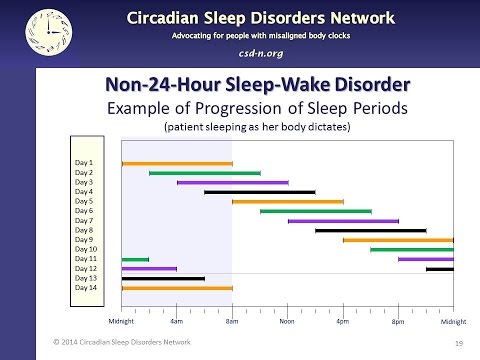
So, let’s chat about sleep—or the lack of it, really. You ever feel like your body just doesn’t get the memo about when to sleep? Like, one night you’re wide awake at 2 a.m., and the next, you can’t keep your eyes open at dinner? Yeah, that’s a real thing.
There’s this condition called Non 24 Hour Sleep Wake Disorder. It sounds fancy but it can seriously mess with your life. Imagine trying to function normally while your internal clock is totally out of sync.
It’s frustrating, right? You’re not alone if you’re feeling like a walking zombie just trying to navigate through life. Let’s explore what this means and how it affects people like you and me.
Understanding Non 24-Hour Sleep-Wake Disorder: How to Test for Symptoms and Seek Help
Non-24-Hour Sleep-Wake Disorder can be a bit of a mouthful, huh? But don’t worry, it’s simpler than it sounds. Basically, it messes with your internal clock, making it hard for your sleep schedule to sync up with the 24-hour day. This often affects people who are blind but can also hit folks who can see. Imagine trying to follow the rhythm of a song that just keeps changing tempo.
So what’s going on with Non-24? Your body’s natural circadian rhythm—basically, your internal timekeeper—shifts like it’s on a wild adventure. One day you’re wide awake at midnight, and the next, you find yourself dozing off in the middle of a meeting at 2 PM. It’s no fun!
Now let’s talk about symptoms because knowing what to look for is key:
- Irregular sleep patterns: You might feel tired during the day and wide awake at night.
- Drowsiness: You could face overwhelming sleepiness that comes out of nowhere.
- Difficulty waking up: Mornings feel more like a battle than a routine.
- Cognitive challenges: Trouble focusing or remembering stuff? Yep, that’s another sign.
Just picture this: Sarah always loved her late-night Netflix binges, but then she started feeling off. Her two-hour stints of sleep turned into four hours one night and six the next. Those dreaded midday slumps began getting serious real quick. She felt sluggish and didn’t know why; her body clock was just confused!
So how do you test for symptoms? Well, first off, keeping a sleep diary is super helpful! Write down when you sleep and wake up each day—this helps spot patterns or irregularities over time. A doctor might also suggest some specialized tests to check your melatonin levels or even ask for actigraphy—a fancy way of saying they’ll have you wear an activity monitor that tracks your sleep-wake cycle.
When it’s time to seek help, pick up the phone! Talk to someone familiar with sleep disorders—your primary care doc or a sleep specialist usually works well. They’ll likely ask about your symptoms and medical history before diving deeper into testing.
Don’t forget—it’s not just about sleeping pills; there may be behavioral therapies involved too! Cognitive Behavioral Therapy for Insomnia (CBT-I) can teach you techniques to adjust your sleeping habits and behaviors.
In short, with Non-24-Hour Sleep-Wake Disorder, understanding your body’s rhythms is essential to getting back on track. It might take some work and patience—but hey—you deserve good zzz’s! Remember Sarah? Well, after finally reaching out and setting up an appointment with her doc… things started changing for her once she learned how to manage her unique clock better!
So yeah, don’t hesitate if something feels off; finding help can really turn things around. Your sleep matters!
Understanding Non 24-Hour Sleep-Wake Disorder in Individuals with ADHD: Symptoms, Causes, and Management Strategies
Non-24-Hour Sleep-Wake Disorder can be a real challenge, especially for people dealing with ADHD. It’s one of those conditions that doesn’t get enough airtime, but it affects many folks in their daily lives. So, let’s break it down and make sense of it.
First off, what is Non-24-Hour Sleep-Wake Disorder? Well, basically, it’s when your internal clock doesn’t sync up with the 24-hour day. This means you might find yourself staying up later and later each day. Eventually, your sleeping pattern can spiral out of control. For those with ADHD, it can compound focus and attention issues. You see, not getting enough quality sleep can lead to more distractions during the day. It’s like a really annoying cycle.
Symptoms of this disorder can vary from person to person, but common signs include:
- Difficulty falling asleep at a regular time
- Long periods of wakefulness during the night
- Feeling sleepy during the day
- Having trouble concentrating because of lack of rest
You might also notice mood swings or irritability creeping in since sleep plays a big role in how we regulate emotions.
Now onto causes. Non-24 typically occurs because the body’s circadian rhythm is not functioning properly. In people with ADHD, this misalignment could be due to their existing challenges managing attention and impulses. Let’s say you have ADHD; your brain might operate on its own schedule rather than adhering to societal norms like waking up at sunrise.
So how do you deal with this? There are a few management strategies that could help:
- Routine: Try to go to bed and wake up at the same time every day—even on weekends! Consistency is key.
- Light therapy: Exposing yourself to bright light in the morning can help reset your internal clock.
- Cognitive Behavioral Therapy (CBT): This approach helps address thoughts around sleep and anxiety—super helpful when sleep issues mix with ADHD.
- Sleep hygiene practices: Things like avoiding screens before bed or creating a calming bedtime routine can make a difference.
I remember talking to someone who was diagnosed with both Non-24 and ADHD. They shared how frustrating it was trying to fit into daytime social expectations while feeling wide awake at midnight! Through therapy and establishing better routines, they started finding some relief.
Understanding Non-24-Hour Sleep-Wake Disorder: Key Symptoms to Recognize
Non-24-Hour Sleep-Wake Disorder is a mouthful, isn’t it? Basically, it’s a condition where your internal clock (or circadian rhythm) doesn’t quite sync up with the 24-hour day. Imagine trying to wake up in the morning, but your body insists it’s still night. Frustrating, right?
So what’s actually going on? People with non-24-hour sleep-wake disorder often experience disrupted sleep patterns. This means they might sleep during the day when everyone else is up and about or struggle to stay awake during normal hours. It can turn life upside down.
Here are some key symptoms you should recognize:
So here’s a relatable example: Imagine a friend who wants to hang out after work but always seems sleepy and cranky because they didn’t get enough quality sleep that night. They might be dealing with this disorder without even knowing it! It’s not just about being tired—it messes with everything.
Now, why does this happen? Well, for many people with this condition—especially those who are blind—the absence of light cues makes it tough for their bodies to get into a regular rhythm. In others, it’s just an irregularity in how their body clocks function.
It can really throw off your daily routine. You might miss out on social events or find work challenging because you’re constantly battling tiredness. And over time, this can impact your overall health and well-being.
Recognizing these symptoms is vital so if you notice that someone (maybe it’s you!) has trouble sleeping consistently and feels out of sync with the world around them, encouraging them—or yourself—to seek help could make all the difference.
In short, non-24-hour sleep-wake disorder isn’t just about catching Z’s; it’s about feeling good enough during the day too! Having an understanding of these symptoms could lead to better nights (and days) ahead!
So, non-24-hour sleep-wake disorder. Whoa, such a mouthful, right? But seriously, it can be pretty tough to deal with. Imagine you’re trying to live your life, go to work or hang out with friends, but your body clock just won’t catch up with the usual 24-hour rhythm. It’s like being stuck in a time warp where you’re wide awake when everyone else is sleeping and ready to crash when the sun is shining.
I remember someone I know who struggled with this. His name was Mike—great guy! He’d plan his day around his sleep issues, which is exhausting in itself. One week he’d be on a normal schedule, feeling great and productive. The next week? It was like he was living in a different time zone—not even jet lag could explain it. His relationships suffered because he just couldn’t find the right times to connect with people or meet up for happy hour without feeling like a zombie.
It turns out non-24 isn’t just about falling asleep at odd hours; it messes with everything—mood swings, concentration issues—you name it. Honestly? It can feel isolating. You might think no one gets what you’re going through when you’re binge-watching shows at 3 AM or feeling drained while everyone else is glowing from their caffeine hit.
When diagnosed with this condition—and yeah, it often takes time to figure it out—it’s like getting a new pair of glasses after squinting for ages. The clarity can be liberating but also daunting because then comes the real work: navigating treatment plans and maybe even finding a specialist who really understands how complex this disorder is.
Sleep is so crucial for mental health, right? So if your wake-sleep cycle feels more like rollercoaster ride than a peaceful night’s rest, that can seriously mess you up mentally too. Some folks try using light therapy or melatonin supplements to help regulate their internal clocks—like flipping a switch on their own bodies! Others explore cognitive behavioral therapy for some help—and that can really make a difference!
At the end of the day, acknowledging this disorder and working through its challenges can lead to better sleep quality and overall well-being over time. It might take patience and some trial-and-error—but hey—you deserve restful nights and bright days ahead! So if you or someone close to you is dealing with something like this? Know that there are ways through it and support out there too!