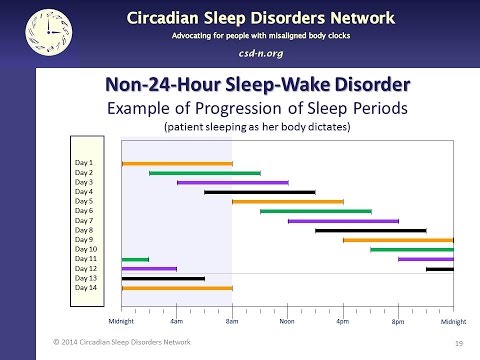
Hey! So, let’s chat about something that’s been kinda sneaky for a lot of folks—non-24 sleep. You know, that frustrating situation where your body clock just doesn’t sync up with the usual 24-hour day? Yeah, it’s a real thing.
Imagine trying to catch some z’s when your brain thinks it’s party time! Morning or night? Who knows? It messes with your sleep and can really take a toll on mental health.
I had a friend who struggled with this. They felt like they were living in a constant fog, like being in a waking dream. It was tough to see them battle through each day feeling out of sync.
And here’s the kicker: It’s not just about being tired. It can affect mood, anxiety levels, and that general spark you need to tackle life. So let’s dig into this together and make sense of it all!
Understanding the Sleep/Wake Cycle: How Circadian Rhythm Influences Your Mental Health
The sleep/wake cycle is like your body’s internal clock. It’s super important for how you feel mentally and physically. You might have heard the term **circadian rhythm** before. Basically, it’s this natural 24-hour cycle that tells your body when to sleep, wake up, eat, and do all those everyday things.
When everything’s working well, your circadian rhythm keeps you alert during the day and helps you get good quality sleep at night. But let me tell you—when things go off track, like in cases of **non-24-hour sleep-wake disorder**, your mental health can really take a hit.
So, what’s non-24? Well, it’s when your body’s internal clock doesn’t follow that neat little 24-hour schedule anymore. Instead, it might shift later and later each day. People with this condition often find themselves struggling to sync their sleep with the outside world. Imagine trying to keep a job or maintain relationships when you’re sleeping at weird hours! That can be seriously draining.
Now let’s break down some key points about how this affects your mental health:
- Sleep Deprivation: Without consistent quality sleep, it’s no surprise that anxiety and depression can rear their ugly heads. You might feel more irritable or have a harder time focusing.
- Disrupted Routine: Your circadian rhythm also influences hormones that regulate stress and mood. If you’re constantly battling an off schedule, those hormones can go haywire.
- Social Isolation: When you’re awake while everyone else is sleeping, it can lead to feelings of loneliness. And that isolation? Yep, it’s another heavy hitter for mental health issues.
For example, I once knew someone who worked night shifts but struggled with staying awake during the day because his body just wouldn’t cooperate. He felt like a zombie most days—not great when trying to catch up with friends or focus on work!
So how do we get back on track? Light exposure plays a big role here. Your body relies on natural light cues to help reset that inner clock every day. Getting outside during daylight—especially in the morning—can help reinforce that 24-hour rhythm.
And if you’re dealing with non-24 specifically? It helps to stick to regular routines as much as possible—even weekends! That consistency tells your brain when it’s time for bed and when it’s time to rise and shine.
To wrap it up: understanding **how circadian rhythms influence us** is really crucial for better mental health. When that cycle gets out of sync—like in non-24—it’s not just about feeling tired; it can mean serious struggles emotionally too. So taking care of that internal clock could be one step toward feeling way better overall!
Understanding Sleep Inversion Causes: Key Factors Affecting Your Rest
Sleep inversion, huh? It’s one of those tricky concepts that can seriously mess with your head—literally! So, let’s break it down and see what’s really going on when it comes to your precious shut-eye.
What is Sleep Inversion?
Basically, sleep inversion refers to a situation where your body’s internal clock gets flipped, causing you to be awake when you should be asleep and vice versa. Imagine trying to sleep during the day while everyone else is out enjoying the sunshine. It can happen for all sorts of reasons.
Key Factors that Contribute to Sleep Inversion:
- Non-24-Hour Sleep-Wake Disorder: This is a biggie. People with this condition have a circadian rhythm that doesn’t sync up with the typical 24-hour day. They may feel wide awake at night and struggle during daylight hours.
- Lifestyle Choices: Things like late-night screen time, drinking caffeine in the evening, or just having an erratic schedule can totally mess up your natural sleep cycle. You know those nights when you binge-watch a show? Yeah, that can throw you off!
- Shift Work: If you work night shifts or irregular hours, your body might find it hard to adjust. Shifting from days to nights doesn’t feel great for your brain or body.
- Mental Health Issues: Conditions like anxiety and depression often mess with sleep patterns as well. You might find yourself lying awake at night with racing thoughts or feeling too anxious during the day.
- Environmental Influences: Light exposure plays a huge role in regulating our sleep-wake cycles. So if you’re sleeping near bright lights or dealing with noisy neighbors at night, that can definitely affect how well you rest.
Here’s an interesting anecdote: Think about Sarah, who worked as a nurse on the night shift. She used to come home after an exhausting shift and crash during the day but felt wide awake when it was time for her family’s dinner! Eventually, she started struggling with mood swings and fatigue because her body just couldn’t get used to such a wacky schedule.
The Mental Health Implications:
When sleep inversion becomes chronic, it can lead down a slippery slope toward serious mental health issues. Lack of quality sleep is linked to increased stress levels, mood disorders, and even cognitive problems like memory loss.
If you’re experiencing irregular sleep patterns due to any of these factors, consider reaching out for support! Whether it’s through therapy or talking about medications if necessary—it doesn’t hurt to explore options.
Remember: taking care of your mental health is just as important as getting those Zzz’s!
Understanding the Connection Between Sleep and Mental Health: A Comprehensive PDF Guide
Sleep and mental health are like best buddies—they really depend on each other. If one is off, the other feels it too. It’s kind of like when you stay up late binge-watching your favorite show. The next day, you drag yourself around like a zombie, and your mood? It’s probably not great. So, let’s dig into this connection more, especially looking at something called Non-24 sleep.
First off, what is Non-24? Well, it’s a sleep condition where your internal clock (also known as your circadian rhythm) goes out of sync with the 24-hour day. You might find yourself awake at odd hours or struggling to fall asleep because your body just doesn’t get that it’s nighttime.
This misalignment can seriously mess with your mental wellness. You might feel anxious or down for no clear reason—just tired all the time! Imagine trying to work a nine-to-five job while constantly battling fatigue; that grind can lead to issues like depression or heightened stress.
Now let’s break down some key points:
- Lack of Sleep Affects Mood: When you don’t get enough shut-eye, everything feels heavier. Little problems seem gigantic because you’re just so drained.
- Sleep Disruptions and Anxiety: For people with anxiety disorders, irregular sleep can spike feelings of panic and worry. Think about how overwhelming things can feel when you’re already on edge.
- Non-24’s Unique Challenges: Since folks with Non-24 often struggle to maintain a consistent sleep schedule, their days can blend into each other—leading to isolation or chaotic lifestyles.
Now throw all this into a blender with work stress or family responsibilities—you’ve got a recipe for potential disaster! When you’re feeling overwhelmed every day due to lack of proper rest, it’s hard to cope with life’s normal ups and downs.
From personal experience, I once knew someone who battled Non-24 sleep issues for years. They were night owls in a world made for early birds. Their days felt like constant fog—a mix of irritability and fatigue they couldn’t shake off. Therapy helped them manage anxiety better but getting that sleep schedule sorted was key too.
So what can be done? Well, recognizing the issue is step one! Treatment options vary from light therapy (which helps reset your internal clock) to behavioral strategies aimed at improving sleep hygiene—basically creating a cozy bedtime routine that signals your body it’s time to wind down.
In summary, remember that **better sleep leads to better mental health**, especially if you’re dealing with something like Non-24 sleep disorder. Stay aware of how these two elements interact in your life; small changes can make a big difference in feeling more energized and balanced overall!
Alright, so let’s talk about Non-24 Sleep-Wake Disorder—or Non-24 for short. This is a tricky one. If you think about it, your body has this built-in clock that helps regulate when you feel awake and when you feel sleepy, right? But in folks dealing with Non-24, that clock gets a bit wonky. Imagine trying to function while your internal schedule is just bouncing around like a pinball.
I remember talking to a friend who had Non-24. They’d be feeling wide awake at 3 AM one day and then totally wiped out by lunchtime the next. It’s exhausting! This constant cycle of waking up and crashing can seriously mess with your life. Not just sleep-wise, but mentally too.
So here’s the deal: lack of solid sleep can lead to a whole bunch of emotional rollercoasters—depression, anxiety, irritability—you name it. You know how if you haven’t slept well, sometimes everything feels harder? Like just getting out of bed feels monumental? That’s what I’m talking about.
It’s not just about feeling tired; it can spiral into something bigger. I mean, if you’re constantly battling fatigue and mood swings, that really hampers daily life—school, work, relationships; they all get affected.
But there is hope! Even though navigating this disorder can feel daunting (and okay, sometimes downright frustrating), there are ways to cope. Things like sticking to routines—even if they’re not always easy—or even light therapies might help regain some control over that internal clock.
So seriously, if you or someone you know is struggling with Non-24, it can be tough—but reaching out for support or even chatting with someone who gets it can make a world of difference! Remember: you’re not alone in this journey; it’s all about finding what works for you and taking steps together along the way.