You know those days when you just can’t seem to get your groove on? Like, no matter how hard you try, sleep is totally playing hard to get?
Well, that’s kinda what Non-24 Syndrome is all about. It messes with your internal clock and throws your whole life outta whack.
Imagine feeling super tired when everyone else is buzzing with energy. That’s a lonely place to be.
But it’s not just about being sleepy; it affects your mood, focus, and even your relationships. It’s like a ripple effect that touches everything.
Let’s chat about what this really means for folks living with Non-24 and how it can sneak up on your mental health. Sounds good?
Understanding Non-24-Hour Sleep-Wake Disorder: Key Causes and Insights
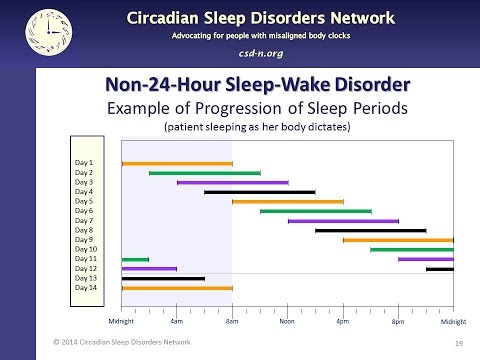
Non-24-Hour Sleep-Wake Disorder is a condition that messes with your internal clock, causing your sleep-wake cycle to be out of sync with the usual 24-hour day. Basically, instead of sleeping and waking up at regular times, folks with this disorder might find themselves sleeping during the day and wide awake at night. It can be really frustrating and affects how you feel overall.
One key thing to remember is that this disorder is often seen in people who are totally blind or have vision impairments. Without light cues and changes in the environment, their body clocks can drift to a rhythm that doesn’t fit into the typical day. Crazy how your eyes can influence not just what you see but also when you sleep, right?
There’s also a psychological side to consider. Imagine trying to live your daily life when your sleep schedule is all over the place. You might feel tired at work, irritable because you’re not getting enough rest, or stressed out about how to manage social plans that clash with your erratic sleep pattern.
Here are some insights into what might cause Non-24:
- Blindness or Vision Impairment: As mentioned earlier, without light signals from the outside world, it’s tough for your body to keep a steady cycle.
- Neurobiological Factors: Sometimes it’s just how your brain works; certain genes and brain pathways can affect circadian rhythms.
- Medications: Some drugs can mess with your sleep timing and worsen symptoms.
- Aging: As we age, our internal clocks can get less reliable—aging eyes might miss those important light cues.
Living with Non-24 isn’t just about feeling sleepy or alert at odd hours; it can really impact your mental health too. You might experience anxiety or even depression because of the constant struggle against your body’s natural tendencies. When you’re exhausted, everything feels heavier—you know?
Consider Sarah’s story for a moment: she’s totally blind and had always assumed her inconsistent schedule was something she’d have to deal with forever. But after learning about Non-24 and talking to a doctor about her symptoms, she discovered she wasn’t alone! Sarah found comfort in connecting with others facing similar issues while also exploring ways to better manage her rest patterns.
In terms of treatment options, there aren’t many specific therapies just for Non-24 yet. However, some people benefit from melatonin, which helps regulate sleep cycles by mimicking natural body processes. Behavioral therapies focusing on maintaining a consistent routine may also offer support.
Getting through each day while dealing with Non-24 can be tough but knowing more about it helps people understand their challenges better—whether it’s advocating for themselves in health settings or finding communities that “get it.” If you’re struggling or know someone who is, reaching out could really make a difference!
How an Irregular Sleep Schedule Can Impact Your Energy Levels and Mental Health
Our sleep schedule plays a massive role in how we feel each day. When your sleep is all over the place, like if you’re a night owl one week and an early bird the next, it can really mess with your energy levels. This isn’t just about feeling tired or groggy. It’s deeper than that.
For instance, let’s chat about something called **Non-24 Syndrome**. This isn’t some random condition; it’s a serious circadian rhythm disorder that often affects blind folks but can mess with anyone. Your internal clock gets out of sync with the typical 24-hour day, which means your sleep patterns can shift dramatically. Imagine trying to start your day when your body thinks it’s midnight!
So, what happens when this irregular sleep kicks in? Well, here are a few key points:
- Fatigue and Sleepiness: You might feel super tired during the day because you haven’t slept enough at night. Constantly switching up your schedule keeps you from getting that solid rest.
- Mood Changes: Lack of proper sleep can make you irritable or anxious. You know those days when everything seems to annoy you? That might be because your body is just plain worn out.
- Cognitive Function: Think about trying to focus on something when you’re dead tired. Tough, right? An irregular sleep pattern can lead to trouble with memory and decision-making.
- Physical Health: Over time, poor sleep doesn’t just zap your energy; it can increase risks for health issues like obesity and heart disease.
Now, let’s bring it back to mental health. When your energy dips because of wonky sleep patterns, it creates this cycle of discouragement and frustration. If you wake up feeling meh, you’re less likely to engage in fun activities or social events — which we all know are great for our mood!
And on top of that, being constantly tired can heighten feelings of anxiety and depression. If you’re already fighting off those feelings, not getting enough quality shut-eye only makes things worse—you might end up feeling trapped in this exhausting loop.
So yeah, if you’re dealing with an irregular sleep schedule or have Non-24 Syndrome vibes creeping in on you, it’s crucial to take steps towards a more consistent routine. Trying to go to bed around the same time each night—even on weekends—can work wonders for stabilizing your internal clock.
In short: Your energy levels depend heavily on how well you’re sleeping. When they’re off balance due to irregular schedules or conditions like Non-24 Syndrome, it’s not just physical fatigue—it has real effects on your mental health too!
Effective Medications to Reset Your Circadian Rhythm for Better Sleep and Mental Health
Getting your sleep back on track can be a real challenge, especially if you’re dealing with something like Non-24 Syndrome. This condition messes with your internal clock, making it tough to know when to sleep or be awake. It’s like living in a world where time just doesn’t make sense. The whole thing can really impact your mental health and general well-being.
So, what’s the deal with resetting your circadian rhythm? Well, medications can play a vital role. They’re not a magic pill, but they can help shift your internal clock back into alignment. A couple of the most commonly prescribed meds for this are melatonin and tasimelteon. Melatonin is actually a hormone that your body produces naturally. In pill form, it helps signal to your body that it’s time for rest.
Tasimelteon, on the other hand, is specifically designed for people who have Non-24 Syndrome. It works by mimicking the natural rhythm of melatonin release in people whose body’s clocks are out of sync due to the absence of light cues—like those who are totally blind or have disrupted sleep-wake cycles.
Here are some key points about how these medications can help:
- Melatonin: Taking it before bedtime may help you fall asleep faster. Think of it as a gentle nudge that tells your brain it’s time to wind down.
- Tasimelteon: This one’s unique because it resets the circadian rhythm specifically for Non-24 sufferers. It targets the receptors in your brain responsible for managing sleep timing.
- Dosage matters: Finding the right dosage is crucial. Too little might not do anything, and too much could leave you feeling groggy.
- Timing: When you take these medications is just as important as how much you take. Melatonin works best if taken 30 minutes before you want to sleep.
- Consultation: Always talk to your doctor before starting any new medication regimen—since everyone reacts differently.
Now, let’s think about real-life impacts for a second. Imagine pulling an all-nighter once in a while—that’s rough enough! But now picture doing that every night because your body just won’t cooperate with regular sleep patterns? Your mood starts tanking; anxiety kicks up; focus flies out the window. You might even get physically sick more often.
By using medications like melatonin or tasimelteon alongside lifestyle changes—like keeping a stable sleep schedule and reducing screen time before bed—you can start to straighten out that tangled-up internal clock.
Remember though: meds aren’t everything! Combine them with good habits for lasting results on both your sleep and mental health journey! It’s like using tools in a toolbox; each one serves its purpose but works best when used together.
In short, getting on top of Non-24 Syndrome means being proactive about both medication and lifestyle choices—and yes, staying connected to professionals who can guide you through it all makes all the difference too!
So, let’s chat about Non-24 Syndrome, or just Non-24 for short. Now, this is something that doesn’t get a lot of airtime, and it deserves more awareness. Basically, it’s a circadian rhythm disorder that messes up the body’s internal clock. So while most folks have a pretty regular sleep-wake cycle, people with Non-24 find their days getting longer—like way longer. Can you imagine how disorienting that might be?
I had this friend once who dealt with this whole situation. She’d be awake all night, then crash in the middle of the day when everyone else was buzzing. It was rough for her because not only was she physically exhausted but emotionally drained too. You know how those sleepless nights can make your mind race? Everything just feels a bit heavier, right? Like the world is on your shoulders. That’s what she went through—a constant battle between wanting to feel normal and facing the reality of her condition.
The psychological effects are more than just feeling tired; they can spiral into anxiety and depression over time. Lack of sleep isn’t just about being grumpy; it affects mood regulation and can make little problems feel like mountains. You start to wonder if you’ll ever catch a break or if you’re stuck in this cycle forever.
Plus, think about social life! When you’re wide awake while your friends are asleep—ugh—it can feel isolating because social connections often happen during those “normal” hours. Not being able to keep up might make you feel disconnected or misunderstood by others who don’t get what you’re dealing with.
There are treatments out there like melatonin or behavioral therapies that aim to help realign that internal clock, but it’s not always a neat solution. People often need support beyond the physical aspect—like understanding from friends and family who realize how much this affects someone mentally and emotionally too.
Overall, it’s clear that Non-24 isn’t just a quirky sleep problem; it ripples through mental health in really profound ways. Just remember: awareness is key here—both for those living with it and for everyone around them! So let’s bring some light into this topic!