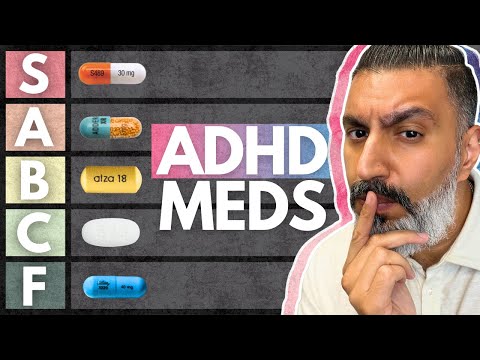
You know that feeling when your mind’s like a squirrel on espresso? Yeah, that’s ADHD for you. But here’s the thing: it isn’t just for kids. Adults can have it too, and it can be a real pain.
So, if you’ve been struggling to focus or feeling all over the place, you’re definitely not alone. Lots of folks out there are navigating similar challenges every day.
Now, some people jump straight to stimulants to help with ADHD symptoms. They work great for many, but what if they don’t sit well with you? Or maybe you just wanna try something different. That’s where non-stimulant medications come in.
They’re kinda like the quiet sidekicks of the ADHD treatment world. Not always flashy but still super effective for managing symptoms without that high-octane boost. Curious about how they work and what options are out there? Let’s chat!
Exploring the Effectiveness of Non-Stimulant ADHD Medications for Adults: What You Need to Know
Non-stimulant ADHD medications, huh? It’s a topic that often flies under the radar but really deserves some attention, especially when it comes to adults dealing with ADHD. So, let’s break this down.
First off, non-stimulant meds are a solid option for those who might not vibe well with stimulants. Some folks experience side effects like anxiety or racing thoughts when they take traditional ADHD meds, and that’s totally valid. Non-stimulants can help manage ADHD symptoms without those pesky side effects.
One popular type of non-stimulant medication is atomoxetine. This is a selective norepinephrine reuptake inhibitor (SNRI). That sounds super technical, right? Basically, it helps increase levels of norepinephrine in the brain, which can improve focus and reduce impulsivity. It’s usually taken once or twice a day, and it might take a little while to kick in—maybe 4 to 6 weeks. But many adults find it helps them feel more organized and less scattered.
Then there’s guanfacine, which was initially developed for high blood pressure but has shown promise in treating ADHD too. Guanfacine works on receptors in the brain to improve attention and impulse control. People sometimes notice that they feel calmer and more focused after starting this medication.
But here’s something important to know: non-stimulants typically don’t work as quickly as stimulants do. If you’re looking for immediate results, you might be waiting longer than expected with these options. Still, they can be great for long-term management of your symptoms.
Now, let’s talk about side effects—because we gotta keep it real here. Some common ones with non-stimulants include fatigue or mild drowsiness. It’s essential to stay in touch with your healthcare provider to monitor how you’re feeling once you start any new medication.
For adults specifically, many are surprised at how effective these meds can be in their daily lives. You know how juggling work responsibilities and personal life can get overwhelming? Well, with the right non-stimulant med on board, many adults report feeling more in control of their tasks and even improving their relationships due to better focus and reduced irritability.
So basically—non-stimulant medications can definitely have their place in managing adult ADHD symptoms! They’re not one-size-fits-all, though; what works wonders for one person might not do much for another. It requires some trial and error along with communication with your doctor.
In summary:
- Atomoxetine is an SNRI that improves focus by increasing norepinephrine.
- Guanfacine can also help manage symptoms by calming the brain’s impulse control.
- They take longer to show effects compared to stimulants.
- Possible side effects include fatigue and mild drowsiness.
- The right med can lead to improved organization and relationships.
It’s all about finding what works best for you! So if you’re considering non-stimulant options or just want to chat about ADHD management strategies, reach out! Opening up about mental health is super important—and there are people ready to support you through all this stuff!
Top Medications for Managing ADHD and Depression: A Comprehensive Guide
Managing both ADHD and depression can be a real challenge. If you’re juggling these, finding the right medication is crucial. Let’s break down some non-stimulant options that are often used for adults dealing with both conditions.
Atomoxetine is one of those main players when it comes to non-stimulant ADHD meds. It’s not a stimulant like many others; instead, it works by increasing norepinephrine levels in the brain. This can help you focus better without the jitteriness some people experience with stimulants. Plus, it’s generally well-tolerated.
Another one to look into is Guanfacine. This medication was initially used for high blood pressure but found its way into ADHD treatment too. It’s particularly useful for folks who might have issues with impulsivity or emotional regulation—think of it as helping smooth out those rough edges.
Then we have Viloxazine, which is also a newer option. Originally designed as an antidepressant, it can help manage ADHD symptoms too. It affects several neurotransmitters in the brain, which helps balance mood and attention – pretty handy when you’re tackling ADHD and depression simultaneously.
Now let’s talk about depression medications that work well alongside these ADHD treatments. SSRIs, or selective serotonin reuptake inhibitors, are popular choices here—medications like fluoxetine or sertraline can boost your mood by increasing serotonin levels in your brain. They’re often prescribed because they have a good safety profile and are effective for many people.
However, mixing meds isn’t always straightforward; watch out for interactions and side effects! For instance, sometimes SSRIs can cause increased restlessness or anxiety, which may not vibe well with ADHD symptoms—hence why non-stimulants are appealing options here.
It’s super important to remember that everyone’s experience is different. Maybe a friend raves about something that didn’t do much for you at all. That’s just how it goes with mental health medications—they’re pretty personal!
Always talk things through with your doctor before starting any new medication regimen. And keep track of how you feel; this helps your doctor fine-tune things if necessary.
So there you go! Managing both ADHD and depression takes time and patience, plus having an open line of communication with your healthcare provider makes all the difference in finding what works best for you.
Exploring the Impact of Non-Stimulant ADHD Medications on Mood Improvement
When we talk about ADHD (Attention-Deficit/Hyperactivity Disorder), most people think of those classic stimulant medications. You know, the ones that speed up brain activity and help with focus. But there’s a whole other side to this—non-stimulant ADHD medications. So, how do these meds impact mood? Let’s break it down.
Non-stimulant medications, like **atomoxetine** (Strattera) or **guanfacine** (Intuniv), offer a different approach. They work on your brain’s chemistry but in a way that doesn’t involve that speedy jolt. Instead, they can help with mood stability in adults with ADHD—something that often gets overlooked.
Now, you might be wondering why mood matters so much for folks with ADHD. Well, many people dealing with ADHD also struggle with anxiety and depression. It’s like the brain has too many tabs open at once! The thing is, by improving focus and reducing impulsivity through these non-stimulants, you also create a more stable emotional environment.
Atomoxetine is one of those interesting choices. It’s not just about attention; it’s also about regulating norepinephrine, which can enhance your mood over time. Imagine feeling less overwhelmed by your scatterbrain and more at ease in situations where you used to feel on edge—that’s what this med can help do.
Then there’s guanfacine. This isn’t just for kids! It helps calm things down and can have a soothing effect on mood swings and irritability. Think of it as giving your mind a little timeout from all that chaos up there.
However, remember that everyone’s journey with ADHD is unique! Some might find great relief from their emotional ups and downs while taking these meds, while others might see little change or even experience side effects like fatigue or drowsiness.
Here are some points worth noting about non-stimulant meds and mood improvement:
- They often take longer to kick in compared to stimulants.
- Consistency is key! You really need to stick with them for several weeks to gauge their effectiveness.
- Mood improvements could lead to better relationships—fewer arguments due to impulsivity means more peace at home or work.
- Counseling or therapy alongside medication usually enhances the benefits!
A friend of mine struggled for years juggling both her work life and personal relationships due to her ADHD symptoms. Once she started atomoxetine, she found herself calmer during stressful meetings and was way less reactive when her partner would ask about chores left undone. Her moods didn’t flip around like they used to—she felt more herself again!
In short, while stimulant medications are often the go-to for managing ADHD symptoms, non-stimulants can make a real difference too—especially when it comes to stabilizing moods. If you’re exploring options or know somebody who is, don’t overlook these possibilities—they might just be what you need for better mental clarity…and a smoother emotional ride!
You know, when it comes to ADHD, the conversation often leans heavily towards those stimulant medications. And yeah, they can be super effective for a lot of people. But there’s this whole other side that really deserves some attention: non-stimulant medications. Especially for adults, who sometimes find themselves grappling with ADHD in ways that are a bit different than kids do.
I remember a friend of mine named Jake. He was always the smart one, but he struggled hard with focus and organization at work. After trying stimulants—which made him feel jittery and anxious—he felt like he had hit a wall. It wasn’t until he found a non-stimulant option that things started to click for him. Suddenly, he was able to manage his time better and actually finish projects without feeling overwhelmed.
So what’s the deal with non-stimulants? Well, these meds work differently than traditional stimulants like Adderall or Ritalin. They don’t just boost dopamine levels; they target norepinephrine instead, which is another neurotransmitter involved in attention and wakefulness. This can lead to fewer side effects for some folks. We’re talking about things like heart palpitations or anxiety that sometimes come with stimulants.
One popular non-stimulant is atomoxetine (Strattera). It’s been around for a while now and can be pretty effective in helping adults focus better and reduce impulsivity without that rush you might get from stimulants. There’s also guanfacine (Intuniv), which was initially developed for high blood pressure but has also been found helpful for ADHD symptoms.
But here’s the catch: Non-stimulants might not kick in as quickly as their stimulant cousins—sometimes taking weeks instead of days to see real benefits. So patience becomes key here! I feel like it’s important to have that understanding going in; hormones and brain chemistry take time to settle down.
Apart from medication options, though, there’s something so powerful about therapy too! Seriously, whether it’s cognitive-behavioral therapy or coaching specifically tailored for adults with ADHD, these approaches can provide valuable coping strategies—skills you can lean on when your medication isn’t enough on its own.
In the end, navigating adult ADHD is such a personal journey; no one-size-fits-all solution exists. Everyone’s experience is unique! If you’re exploring non-stimulant options or feeling a little lost about it all? Just know you’re not alone in this process—and there are choices out there waiting for you to discover them!