Hey! So, let’s talk about ADHD. You know, that thing where your brain feels like it’s in a million places at once? It can be really tough to deal with.
Most folks think of stimulants when they think about treatments, but there’s this whole world of non-stimulant options out there too. Seriously, it’s not one-size-fits-all.
Just picture it: maybe you or someone you care about is looking for different ways to cope without the jitters of stimulants. There are other routes to explore that might fit better for you.
In this chat, we’re going to dig into those non-stimulant treatments and how they can help manage ADHD in a way that’s chill and effective. So, grab a snack and let’s hang out with some real talk about mental health!
Exploring Non-Stimulant Treatments for ADHD: Effective Alternatives for Management
So, ADHD, right? It can really be a handful. When you think about it, a lot of people often go straight for stimulants like Adderall or Ritalin to help manage those pesky symptoms. But here’s the thing: not everyone responds well to stimulants. Some folks deal with unpleasant side effects or just prefer to explore other options altogether. That’s where non-stimulant treatments come in—seriously, they can be effective alternatives.
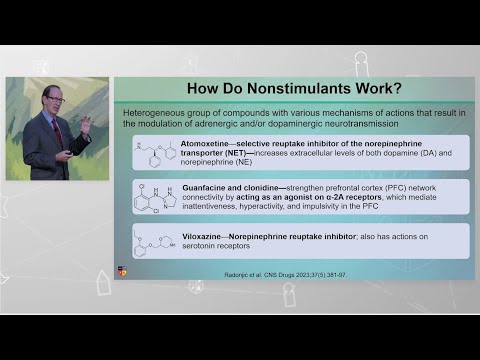
Atomoxetine is one of the most common non-stimulant medications prescribed for ADHD. It works differently than the traditional stimulants by selectively inhibiting norepinephrine reuptake. I know, sounds technical, but basically, it helps boost a particular chemical in your brain that might be low when you have ADHD. Many people find it useful and experience fewer side effects compared to stimulants.
Another option is Guanfacine. This one’s originally meant for high blood pressure—who knew? But it’s been found that it can help with ADHD symptoms too. It acts on certain receptors in the brain and helps improve impulse control and attention span. So if you’re looking for something that might mitigate some hyperactivity or impulsivity without revving you up like a stimulant would, this could be worth trying out.
And then there’s clonidine. Similar to guanfacine, clonidine targets those same receptors but has its unique touch. It can help not only with focus but also with reducing irritability and aggression in some kids and adults with ADHD—sounds pretty handy!
But wait! Non-medication approaches are totally valid too!
You work on developing coping strategies and skills tailored just for you. Like my friend Sam who struggled with staying organized; through therapy, he learned to create structured routines that helped him stay on track.
There’s also
Imagine Sarah who often felt overwhelmed by negative thoughts about her attention issues. With CBT, she learned how to challenge those thoughts and replace them with more constructive ones.
And let’s not forget about lifestyle changes! Things like
, which has been shown to improve concentration and mood—you know how a good workout gives that feel-good vibe? Or
from fish like salmon might aid brain function too—which is super appealing if you’re into healthy eating.
Finally, let’s talk about mindfulness practices like meditation or yoga. They sound kind of fluffy at first glance but can seriously help enhance focus and reduce stress levels over time—totally worth considering!
So there you go! Non-stimulant treatments for managing ADHD don’t have to feel overwhelming or ineffective. With various options from medications like atomoxetine and guanfacine to behavioral therapies and lifestyle tweaks, there’s a lot out there waiting for you to explore! Everyone’s journey is different—a little trial-and-error may lead you to find what truly works best for you or someone you care about dealing with ADHD symptoms.
Exploring the Effectiveness of Non-Stimulant ADHD Medications: Do They Really Work?
Okay, let’s chat about non-stimulant ADHD medications. You know, the ones that don’t have that “zippy” effect like stimulants do. These are getting more attention lately, and for good reason. A lot of folks out there either can’t take stimulants for various reasons or just want to explore other options.
First off, what’s the deal with non-stimulant meds? Basically, they work differently in the brain compared to stimulants. While stimulants boost dopamine and norepinephrine—those handy neurotransmitters tied to focus and impulse control—non-stimulants aim at regulating these chemicals in a more gradual way. So, the thinking is that they can help with symptoms of ADHD without some of those intense ups and downs.
Atomoxetine is probably the most well-known non-stimulant. It’s a selective norepinephrine reuptake inhibitor (SNRIs). That sounds fancy, right? What it does is increase levels of norepinephrine in your brain by stopping its reabsorption into neurons. Basically, it keeps that essential chemical around longer to help you stay focused.
There’s also Guanfacine, which was originally used for high blood pressure but has shown promise for ADHD too! It works on certain receptors in the brain related to impulse control and attention regulation. So yeah, it calms things down rather than revving them up.
Now you might be wondering: do these actually work? That’s a big question. Research shows they can definitely be effective for some people. In fact, studies have found that Atomoxetine can help reduce ADHD symptoms like inattention and hyperactivity about as well as some stimulant options—just without that immediate kick you get from stimulants.
But here’s where it gets interesting: while non-stimulants can be effective, they don’t usually work as quickly as their stimulant counterparts. You might need to take them for a few weeks before you really notice any benefits. It’s like waiting for your favorite meal to cook—you know it’ll be great, but you’ve gotta give it time!
Another thing: side effects can differ too! For example, some people on Atomoxetine report feeling tired or experiencing stomach issues—definitely something to chat about with your doc if you’re considering it.
Also worth noting: not everyone responds well to these meds. Just because they work wonders for one person doesn’t mean they’ll do the same for another; everyone’s brain is unique! It’s crucial to keep an open line of communication with your healthcare provider throughout this process.
Ultimately, non-stimulant medications represent a solid alternative if you’re not vibing with stimulants or just looking for another route altogether. If you’re thinking about giving them a shot—or even just exploring options—reach out to someone who knows their stuff in mental health care.
In short: yes, they can work pretty well for many people dealing with ADHD symptoms! But remember—it might take time and an open mind while figuring out what fits best for you personally.
Effective Non-Pharmacological Treatments for ADHD in Adults: Strategies and Techniques
So, let’s chat about ADHD in adults. It’s not just a childhood thing; it hangs around. It can mess with your daily life—work, relationships, you name it. Now, many think medication is the only way to go, but there are actually some seriously effective non-pharmacological treatments you can explore.
First off, therapy can be a game changer. Cognitive Behavioral Therapy (CBT) is super popular for folks with ADHD. Basically, CBT helps you recognize and change unhelpful thought patterns and behaviors. Imagine you’re always late to work because you underestimate how long things take. CBT helps you focus on those thoughts that trip you up and teaches you strategies to manage time better.
Then there’s mindfulness training. This isn’t just about zen vibes; it’s about focusing on the now. You know how your mind can bounce around like a pinball? Mindfulness teaches you to be aware of that wandering brain and brings your focus back to the present moment—like taking a deep breath or noticing what’s going on around you. This can help calm the chaos in your head.
Another cool strategy is organizational skills training. Some people with ADHD struggle with keeping things in order, right? So, learning how to break tasks into smaller chunks can make them feel less overwhelming. You might try using planners or apps that remind you of deadlines and appointments. It’s like having a personal assistant, but in your pocket!
Also consider exercise, which has some powerful perks! Regular physical activity can boost mood and improve concentration—a lot of studies back this up! So whether it’s hitting the gym or taking brisk walks during breaks at work, those endorphins can really help clear your mind.
Another technique worth mentioning is support groups. These are places where people share their experiences dealing with similar challenges. Sometimes just knowing you’re not alone makes a huge difference! You might find new coping strategies or even just some heartfelt encouragement from others who truly get it.
Lastly, incorporating diets rich in omega-3 fatty acids might help too—think fish oil or walnuts. Some research suggests these could have positive impacts on cognitive function and overall brain health.
So yeah, while medications may be helpful for some people, these non-drug approaches provide a solid foundation for managing adult ADHD effectively. Everyone’s journey is different; what works brilliantly for one person might not quite land for another—but trying out different strategies can lead to finding what clicks best for you!
Alright, so let’s chat about non-stimulant treatments for ADHD. You know, ADHD can feel like you’re juggling a million things while riding a unicycle on a tightrope—pretty wild, right? The usual go-to for managing it has been stimulants, like Adderall or Ritalin. These definitely help many people get their focus and energy in check, but they’re not for everyone. Seriously, there are folks who experience side effects or just prefer to steer clear of those types of meds altogether.
I remember this friend of mine, Jamie. She was diagnosed with ADHD in her twenties and tried stimulants for a while. Sometimes they worked like magic, but other times? Not so much. She’d get jittery and anxious—definitely not the vibe she was going for! When she decided to explore non-stimulant options, it opened up a new world for her.
So, what are some of these non-stimulant treatments? Well, there’s atomoxetine (Strattera), which is kind of the most common one you hear about. It doesn’t work the same way as stimulants; instead of revving up your brain like caffeine on overdrive, it helps with impulse control and attention over time. Some people really dig it because it doesn’t come with that punch-in-the-gut crash you can feel after taking stimulants.
There are also behavioral therapies that can seriously help too! Imagine working with someone who helps you figure out strategies to handle distractions or manage time better—that’s pretty cool if you think about it. Plus, there’s always talk therapy where you can explore your feelings around ADHD. Kind of like getting that supportive ear to vent to while figuring stuff out together.
And let’s throw in some lifestyle changes if we’re talking about mental health approaches! Simple stuff like exercise and mindfulness can make a huge difference in how someone feels day-to-day. I mean, when Jamie started yoga and went on regular runs with her friends, she noticed she was calmer and more focused; little things really do add up!
It’s all about finding what works best for each individual because no two experiences with ADHD are identical. The thing is—everyone deserves support that actually fits their needs without feeling boxed into one way of managing things.
So yeah, non-stimulant treatments aren’t just an alternative—they’re part of the journey to finding balance in life when living with ADHD. You know what I mean? It’s about exploring different paths and seeing where they lead you—sometimes those paths are just as valuable as the more traditional routes we often hear about!