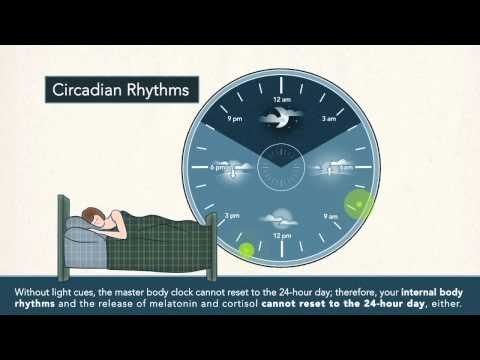
You ever heard of Non Twenty Four Hour Disorder? It’s a mouthful, I know. But it’s a real thing that messes with a lot of folks’ lives.
Imagine trying to live your life while your internal clock is like, “Nah, I’m gonna do my own thing!” That’s what happens when your circadian rhythm just can’t keep up with the usual 24-hour day.
It can totally knock the wind out of you. Sleep issues, mood swings, and feeling out of sync with everything around you? Yup, it can bring all that along for the ride.
Let me share a quick story… A friend of mine struggled for years with this condition. She felt like she was on an emotional rollercoaster and couldn’t figure out why. It was tough!
So, if you’re curious about how this works and its effects on mental health, stick around! There’s a lot more to unravel here.
Exploring the Effects of 24 Hours Without Sleep on Your Brain: What You Need to Know
24 Hours Without Sleep: The Impact on Your Brain
You know, pulling an all-nighter might seem like a good idea, but it can really mess with your brain. Just one day without sleep can have some serious effects. You might feel groggy, irritable, or even downright confused. But what’s really happening up there in your noggin? Let’s break it down.
When you skip sleep for 24 hours, your brain starts to struggle. It’s like trying to run a car on empty. First off, cognitive function takes a severe hit. This means your ability to think clearly, solve problems, and concentrate goes out the window. Remember that time you tried to make sense of a math problem after staying up all night? Yeah, exactly.
Then there’s your memory. Sleep is essential for memory consolidation, so if you miss out on those Z’s, your brain has a harder time remembering things. Imagine studying for an exam and then forgetting everything the next day because you were up binge-watching shows instead of sleeping.
Something else that happens is increased emotional reactivity. Without sleep, your emotions can run wild. You might find yourself getting angry or sad over little things that wouldn’t normally bother you at all. Seriously, even the tiniest issues can feel monumental when you’re sleep-deprived.
And let’s not forget about stress levels. When you’re wide awake for too long, your body produces more cortisol, which is that pesky stress hormone we hear so much about. It’s like turning up the volume on anxiety—everything feels more intense.
Another key factor is decision-making abilities. You know how when you’re tired everything seems like a big deal? Well, that’s because your prefrontal cortex, the part of the brain responsible for decision making and impulse control, isn’t functioning at full capacity after 24 hours of no sleep. Imagine trying to make an important choice without being able to think straight—yikes!
So now let’s talk about Non Twenty Four Hour Disorder (non-24). For people with this condition, lack of a regular sleep schedule is pretty common since their circadian rhythms don’t sync well with the 24-hour day-night cycle. If you’re already struggling with unpredictable sleep patterns and then throw in a night without sleep? Talk about chaos!
The psychological effects can be overwhelming; feelings of depression and anxiety may intensify alongside cognitive difficulties mentioned earlier. Think about it this way: if normal folks have trouble focusing or controlling their emotions after one sleepless night, how much tougher would it be for someone who already has disrupted circadian rhythms?
In short, pulling an all-nighter isn’t just exhausting—it messes with your brain in ways that can seriously affect your mood and thinking skills. So next time you’re tempted to stay up late scrolling through social media or finishing that last episode of a series… consider hitting the pillow instead! Your mind will thank you later!
Understanding Non-24: Its Impact on Daily Life and Mental Well-Being
Non-24 Hour Disorder, often just called Non-24, is one of those conditions that can really mess with your daily life and mental well-being. Basically, it’s a sleep disorder where your internal body clock isn’t in sync with the 24-hour day. So like, if you’re someone who doesn’t have a regular schedule, this could hit you hard.
What happens is that people with Non-24 tend to have their sleep-wake cycles gradually shift later and later every day. This can lead to insomnia or excessive daytime sleepiness. It’s like you’re on a never-ending jet lag trip! Imagine wanting to sleep at 3 PM when everyone else is up and about. Frustrating, right?
The Impact on Daily Life
Living with Non-24 can make everything tough—work, social life, even simple tasks become challenging. You might find yourself:
- Struggling to get up for work or school.
- Feeling sleepy while trying to catch up with friends or family.
- Experiencing mood swings due to lack of proper rest.
And let’s face it—being tired all the time doesn’t just affect your energy levels; it messes with your focus too. You may have trouble concentrating on important things like work projects or class lectures. This can lead to feelings of embarrassment or inadequacy because you know you’re capable of more.
Mental Well-Being
Now let’s talk about the psychological side of things. That constant fight against your body’s clock can lead to serious emotional strain. You might feel anxious or depressed over time because:
- You’re not getting enough quality sleep.
- Your relationships might suffer from lack of energy.
- You could experience frustration from not being able to maintain a regular routine.
Someone I know struggled with this for years—she missed family events because she simply couldn’t stay awake when everyone else was enjoying themselves. Eventually, this led her into a bit of a depression because she felt isolated and disconnected from loved ones.
Coping Strategies
Managing Non-24 isn’t easy but there are some ways people try to cope:
- Setting strict routines around sleeping and waking, even if it feels unnatural.
- Using light therapy in the morning to help reset that internal clock.
- Pursuing therapy options for any accompanying anxiety or depressive symptoms.
You see? There are ways you can adapt even if it feels overwhelming at first.
In short, Non-24 isn’t just about poor sleep; it’s about how that affects every part of your life—from relationships to mental health. It’s important for anyone facing this condition to reach out for support and find strategies that work best for them because life shouldn’t feel like you’re constantly out of sync!
Understanding Non-24-Hour Sleep-Wake Disorder: Key Characteristics and Insights
Non-24-Hour Sleep-Wake Disorder, or Non-24 for short, is a condition that messes with your internal clock. This clock controls when you feel awake and when you’re ready to sleep. But for folks with Non-24, it kind of dances to its own beat—like when your favorite song skips and plays all out of sync.
So, here’s the deal: our body operates on a 24-hour cycle called the circadian rhythm. This rhythm is influenced by light and darkness in our environment. For most people, it keeps everything running smoothly: wakefulness during the day and sleepiness at night. But with Non-24, that rhythm can drift away from a regular schedule.
Here are some key points about Non-24:
- Sleep Patterns: People with Non-24 often experience cycles longer than 24 hours—think like 25 or even 26 hours. That means they might go to bed later each night.
- Impact on Daily Life: This disorder can lead to real struggles in everyday life. Imagine having to stay up late just to get some rest! It can be frustrating and exhausting.
- Common in Blind Individuals: Interestingly enough, it’s especially common among individuals who are totally blind. Without light cues, their bodies can lose track of the normal 24-hour cycle—as if they’re driving in the dark without a GPS.
- Psychological Effects: The irregular sleep patterns often lead to fatigue, mood swings, anxiety, or even depression over time. You’re always running on empty!
You might be wondering how someone experiences this day after day. Let’s say you’ve got a friend named Jamie who has Non-24. Jamie might fall asleep at 3 AM one night but then not get sleepy until 5 AM the next night—but still has to get up for work by 8 AM! Over time, this inconsistency leads to serious exhaustion and could affect Jamie’s mood and focus at work.
Treatment options vary widely since there isn’t just one magic fix for this disorder. Some people find help through light therapy which tries to reset their circadian rhythms using bright lights during certain times of the day—a bit like nudging that internal clock back into place.
Others may use melatonin supplements that help signal to their bodies when it’s time to wind down (but hey, always have a chat with a doctor before trying anything).
Realizing you have Non-24 can be liberating but also daunting; knowing what’s going on means you can start looking for solutions rather than feeling lost in a cycle of sleeplessness.
In short, understanding Non-24 is crucial because without awareness of your body’s unique rhythm—even if it seems offbeat—you can’t take charge of your health effectively! You deserve restful nights and fresh mornings just like anyone else.
Non 24-Hour Sleep-Wake Disorder, or Non-24 for short, is one of those things that doesn’t get nearly enough attention. It’s like a sneaky shadow that creeps into the lives of those who have it, making each day feel a bit like a game of whack-a-mole with sleep and wakefulness. Imagine being super tired because you just can’t seem to stick to a regular schedule. That’s what it’s like for folks dealing with this.
When your body wants to run on its own time, whether that’s 25 hours or even longer, it throws your whole routine outta whack. You know how much we rely on routine? When you don’t have one, everyday life can feel like a treadmill set to an unpredictable speed. You could be wide awake at 3 a.m., scrolling through your phone while the rest of the world is sleeping peacefully. It can get really isolating.
I remember chatting with a friend who has Non-24. Some days she was upbeat and productive; other days, she felt like she was dragging her feet through quicksand just trying to make it through work and social gatherings. The psychological toll? It’s real. Anxiety about not fitting in or meeting expectations sneaks up on you when all you want is some normalcy.
And then there’s the mood swings, which can feel relentless. One moment you’re feeling fine, ready to tackle anything life throws your way; the next moment, frustration surfaces because everything feels off-kilter again—like trying to build a sandcastle during high tide.
So what happens? Well, many people start feeling hopeless or down about their situation over time if they can’t find that balance between sleep and wakefulness. It’s totally understandable; after all, sleep plays such a huge role in how we experience life day by day.
Wanting to fit into society’s neat little boxes while struggling with something so unique creates an emotional rollercoaster—a mix of desperation and determination that can wear anyone down. Finding supportive communities online has made a huge difference for some folks; they share tips and experiences that help lighten the load.
At the end of the day, while Non-24 feels like walking around in fog most days, it’s important for those affected to know they’re not alone in this journey and there are ways to carve out new paths in their lives—even if they dance to their own rhythm!