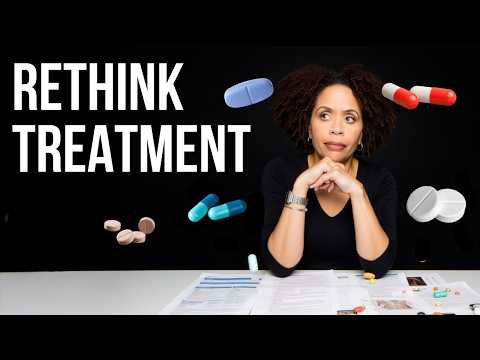
You know, ADHD can feel like a rollercoaster ride. Some days are all highs, and other days? Yeah, total chaos.
When people think about managing it, they often jump straight to stimulants. But that’s not the only option out there.
Nonstimulant approaches are gaining traction, and for a good reason! They can be game-changers for those who want something different or have had some bad side effects from the usual meds.
What if I told you there are alternatives that might just fit your vibe better? Let’s explore this together. You might find something that resonates with you or someone you care about!
Exploring Non-Stimulant ADHD Medications for Adults: Effective Alternatives for Focus and Clarity
So, let’s talk about non-stimulant ADHD medications for adults. Seriously, this is an important topic for a lot of folks. You’ve probably heard about stimulant meds, like Adderall or Ritalin. They work for many people, but they’re not everyone’s cup of tea. Sometimes they can cause anxiety or even make you feel a bit jittery, which isn’t super helpful when you’re just trying to focus on your work or daily tasks.
Non-stimulant medications can be a solid alternative if stimulants aren’t cutting it for you, or if you’re just looking for other options. These might not kick in right away like stimulants (which usually work pretty fast), but they definitely can help with focus and clarity over time.
One common non-stimulant medication is atomoxetine, known by its brand name Strattera. It works differently than stimulants because it’s more about increasing norepinephrine levels in the brain rather than dopamine. It’s FDA-approved for kids as well as adults and doesn’t have the same potential for abuse that stimulants do. So if you’re looking for something to help keep you focused without that rush or crash, this could be worth discussing with your doctor.
Then there’s guanfacine, often sold as Intuniv ER. This one is typically used to treat high blood pressure but also helps with ADHD symptoms. It essentially calms the brain down a bit and can lead to less impulsivity and improved attention over time. People sometimes say it helps them feel more centered throughout the day.
Clonidine is another option that works similarly to guanfacine in many ways. While it’s usually taken at bedtime because it can make you drowsy, some people find they focus better during the day after taking it at night.
Now, here’s a little story to illustrate how these meds might fit into someone’s life: Imagine Sarah—her mornings were a daily rollercoaster of distractions and struggles with tasks at her job. After trying different stimulants without success due to side effects like anxiety, she consulted her doctor about non-stimulant options. They decided on atomoxetine, and after a few weeks—boom!—things started looking better for her: she was able to finish projects on time and engage more clearly in meetings.
But remember: finding the right medication isn’t always immediately straightforward; it often takes some trial and error under medical supervision to figure out what really works for you.
In addition to non-stimulant meds, lifestyle adjustments can also play a significant role in managing ADHD symptoms effectively—things like regular exercise, proper sleep—yeah sleep is huge—and maybe even therapy! This holistic approach really helps ground everything.
To wrap up real quick: non-stimulant medications provide viable alternatives if stimulants don’t work out for you or if you prefer something else entirely. You just need to sit down with your healthcare provider and discuss what might fit best into your life—because every brain is unique!
Understanding Propranolol Dosage for Managing ADHD: A Comprehensive Guide
Understanding propranolol’s role in managing ADHD can seem a bit complex, but let’s break it down together. Propranolol is primarily known as a beta-blocker, often used for heart conditions or anxiety. However, its use has spread into the realm of mental health, especially for those who don’t respond well to traditional ADHD medications.
How Propranolol Works
Propranolol mainly helps by blocking the effects of adrenaline. This may sound like just a physical thing, but there’s more to it. When you’re feeling anxious or overly stimulated (like many ADHD folks do), your body releases adrenaline. Propranolol can help calm some of those responses down. Imagine you’re about to speak in front of a crowd—your heart races, palms sweat—this med might help keep things in check.
Dosage Insights
When it comes to dosage, there’s no one-size-fits-all approach. It’s very individual. For ADHD, doctors usually start on a lower dose and adjust based on how you’re responding. Basically, they want to find that sweet spot where you feel calmer without any funky side effects.
• Generally, a typical starting dose might be around 10-20 mg taken one to three times daily.
• After a few weeks and if all goes well, your doctor may increase the dose.
• The maximum dose can go up to 120 mg per day for anxiety or certain other issues but be cautious as not everyone needs that much.
Potential Benefits and Side Effects
Now, let’s talk benefits versus side effects because that’s crucial! Some people find that propranolol helps reduce anxiety and improves focus without the jitteriness associated with stimulants. It could also help with those pesky physical symptoms of anxiety.
But don’t forget—there are some possible downsides too:
• Some might experience fatigue; it can make you feel tired or even dizzy.
• Others have reported cold hands or feet since it affects circulation.
• There’s also the chance of sleep disturbances; this isn’t super common, but it happens.
Why Choose Nonstimulant Medications?
So why consider nonstimulants like propranolol? Well, not everyone vibes with stimulants like Adderall or Ritalin due to side effects or personal preferences. Nonstimulants may offer an alternative route without some of those “too much energy” feelings associated with traditional ADHD meds.
Also, they may work better for people who have co-existing conditions—like anxiety—which is pretty common among folks with ADHD.
Consultation is Key
It can’t be stressed enough: always talk with your healthcare provider before starting any new medication—or adjusting dosages. They know your specific situation best and can customize treatments based on how you’re doing overall.
Managing ADHD isn’t just about finding the right pills; it’s about what works for **you** individually! That means being open about how you’re feeling during treatment so adjustments can happen when needed—that’s super important!
In summary, propranolol offers a different approach for managing ADHD symptoms for some individuals—especially those struggling with anxiety too. Understanding dosages and potential outcomes can help you make informed decisions alongside your healthcare team!
Understanding Non-Stimulant vs. Stimulant Medications: A Comprehensive Guide to Mental Health Treatment
Understanding the difference between **stimulant** and **non-stimulant** medications is crucial for managing conditions like ADHD. Both types have their unique roles in mental health treatment. Let’s break it down.
Stimulant medications, as the name suggests, stimulate certain chemicals in your brain. They usually boost levels of **dopamine** and **norepinephrine**, which helps improve focus and attention. So, if you or someone you know struggles with ADHD, stimulants often come first to mind. They tend to work really fast—like within an hour or so, which is pretty cool. However, not everyone can tolerate these meds due to side effects like insomnia or increased heart rate.
On the flip side, we have non-stimulants. These don’t work through the same mechanisms as stimulants and can be a lifesaver for people who can’t handle the latter due to side effects or because they have certain conditions that make stimulants unsafe. Non-stimulants might take longer to kick in—sometimes weeks—but they offer a smoother ride once they do.
Here’s what you might want to know:
- Types of Stimulants: Common examples include Adderall, Ritalin, and Vyvanse.
- Types of Non-Stimulants: Medications like Strattera (atomoxetine) and Intuniv (guanfacine) fall into this category.
- Efficacy: Stimulants are generally considered more effective for most people with ADHD.
- Side Effects: Stimulants may cause anxiety or stomach issues; non-stimulants could lead to fatigue or mood swings.
- Dosing: Stimulants need a consistent schedule; non-stimulants may offer some flexibility.
It’s wild how different they are! For example, I remember talking to a friend whose son was on Ritalin for his ADHD. It worked wonders for focus but turned him into a little insomniac. They switched him over to Strattera after realizing sleep was getting wrecked by the stimulant side effects. It took about a month, but they started seeing some improvement without all that restlessness.
But let’s not forget about individualized care! What works for one person might not work for another. That’s where your doctor comes in—helping figure out what meds fit best based on lifestyle and specific symptoms.
Another thing is that non-stimulant medications can also help with other issues like anxiety or depression—conditions that often overlap with ADHD. Pretty nifty if you think about it!
So, when considering treatment options for ADHD or similar mental health challenges, it’s super important to chat openly with healthcare providers about concerns regarding medication choices and preferences.
Ultimately, both stimulant and non-stimulant medications play vital roles in mental health treatment, but understanding their differences can really empower you when making decisions about care.
So, ADHD can be a real ride, can’t it? You know, it’s like your brain is on a fast roller coaster while the rest of the world is just chilling on a merry-go-round. For a lot of folks, stimulants are the go-to option—stuff like Ritalin or Adderall. And they work for many! But then there are others who either don’t respond well to them or just can’t handle the side effects. That’s where nonstimulant approaches come in.
Nonstimulant medications like Strattera are one of the main options out there. They’re not as flashy as their stimulant cousins but they can still help with focus and impulsivity without some of those intense highs and lows. It’s kind of neat to think that you don’t always have to go down the traditional route to find something that works for you.
But medication isn’t everything. Seriously! I remember chatting with a friend who had ADHD and tried everything under the sun—meds, therapy, you name it. What really clicked for them was mindfulness training. Just practicing being present made a world of difference in how they handled distractions. They felt calmer and more in control, which was huge for their day-to-day life.
And then there’s behavioral therapy, which is all about learning coping strategies. It’s amazing how some simple techniques can help manage those ADHD symptoms in practical ways. It’s like having tools in your pocket when things get overwhelming.
Of course, it’s important to recognize that each person is different—you know? What works wonders for one might not do much for another. So having a great support system around you—friends, family, therapists—who really gets it makes everything easier.
In mental health care today, there’s no one-size-fits-all solution, especially when it comes to something as complex as ADHD. But exploring these nonstimulant options shows that there are many paths to finding what feels right for you or someone you love. And hey, that’s worth celebrating!