Hey! So, let’s chat about something that might sound super technical—norepinephrine reuptake inhibitors. Sounds fancy, right? But hang on, it’s not all that complicated when you break it down.
These little guys are like helpers for your brain. They can really shake things up for folks dealing with mental health issues. You know how sometimes you just feel stuck? Like your thoughts are running in circles?
That’s what we’re diving into. The way these medications work can make a big difference in how you feel day to day. Seriously, it’s pretty interesting to see how chemistry plays into our emotions.
So, what do you say we dig into this and see what the buzz is all about?
Understanding Norepinephrine: Its Essential Role in Mental Health and Well-Being
Norepinephrine is one of those brain chemicals that you might not think about a lot, but it plays a huge role in how you feel and function every day. It’s like the body’s little messenger, sending signals to different parts of the brain and body to control stress responses, alertness, and even certain moods.
When things get tough or stressful, norepinephrine acts like an alarm. It gets your heart racing and prepares you for action. But it doesn’t just stop there; it’s also involved in regulating your mood. You could say it helps keep our emotional balance in check.
But what happens when there’s too much or too little of this substance? Well, when norepinephrine levels are off, it can lead to some serious mental health issues. For instance, low levels are often linked with conditions like depression or anxiety. Imagine feeling unmotivated or just kinda down all the time—that could be partly due to this imbalance.
On the flip side, too much norepinephrine can cause feelings of restlessness or even agitation. Ever been in a super stressful situation where your heart feels like it’s about to leap out of your chest? That’s norepinephrine at work—sometimes not so helpful when it goes into overdrive.
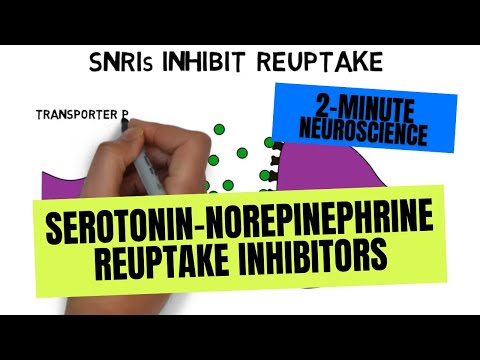
Now let’s talk about norepinephrine reuptake inhibitors (NRIs). Think of these as helping hand for those who struggle with low levels of this neurotransmitter. By blocking the reabsorption (or “reuptake”) of norepinephrine in the brain, these medications can boost its availability and help improve mood and focus. They’re often used in treating conditions like ADHD and depression.
So why should you care about NRIs? Well, they can make a significant difference if you’re struggling with focus or energy levels. Imagine finally being able to tackle that never-ending to-do list because you feel more alert! That’s the kind of change these meds might offer.
Of course, they’re not magic pills; they come with their own set of side effects—like increased heart rate or even insomnia—so talking openly with your doctor about them is crucial.
In summary, norepinephrine is essential for maintaining mental health stability. When we’re outta balance—whether it’s too much stress or feeling down—it can affect how we think and feel every day. Norepinephrine reuptake inhibitors serve as a valuable tool for some people needing that extra boost when they’re low on this crucial neurotransmitter.
Just remember: keeping our mental health in check is a team effort involving therapy, sometimes medication if needed, good self-care practices—all essential pieces working together to help you feel your best!
Understanding Norepinephrine Reuptake Inhibitors: Their Role in Alleviating Anxiety Symptoms
Anxiety can be a real drag, right? Sometimes, it feels like worry is taking over your brain. You might have heard about various medications that help keep anxiety at bay. One of these classes is called Norepinephrine Reuptake Inhibitors (NRIs). Let’s break this down a bit.
So, what does norepinephrine do? Well, it’s a neurotransmitter in your brain. Think of neurotransmitters as tiny messengers that send signals between nerve cells. Norepinephrine is involved in mood regulation and stress response. When you’re anxious, the balance of norepinephrine can get all out of whack.
When you take NRIs, they basically block the reabsorption or “reuptake” of norepinephrine back into the nerve cells. This means more norepinephrine stays in play and can help improve mood and reduce anxiety symptoms.
You might be wondering why that matters. Here’s a quick overview:
- Improved Mood: By increasing norepinephrine availability, these medications can help lift your spirits.
- Focus and Attention: Better norepinephrine levels might also boost concentration, which can take a hit when anxiety gets too loud.
- Stress Response: NRIs can help stabilize how your body reacts to stress, making those tough moments just a bit more manageable.
Now, let’s talk about how these NRIs actually work in practice. A friend of mine struggled with intense anxiety before important events—like job interviews or even social gatherings. It was exhausting! After trying different things with little success, she ended up on an NRI prescribed by her doctor. Gradually, she noticed she wasn’t sweating bullets before stepping into those stressful situations anymore!
Of course, everyone’s experience is unique; what works for one person may not work for another. And like any medication out there, NRIs come with potential side effects—just some stuff to keep in mind when chatting with your healthcare provider.
Let’s wrap this up: Norepinephrine Reuptake Inhibitors are one possible route to consider if you’re dealing with anxiety. They help tweak those neurotransmitter levels to make it easier to manage daily life without feeling overwhelmed by all that worry floating around in your head! So if you’re feeling like anxiety’s got you cornered, it might be worth exploring this option with your doctor or therapist—it could just be the piece you need in the puzzle!
Comprehensive Guide to Norepinephrine Reuptake Inhibitor Medications: A Complete Drug List
Let’s chat about norepinephrine reuptake inhibitors, or NRIs, as people in the know call them. These guys are a type of medication often used to treat conditions like depression and ADHD. They work by affecting the way your brain uses norepinephrine, which is a chemical that helps regulate mood and focus.
So, What Do NRIs Do?
Basically, they help increase the levels of norepinephrine in your brain by blocking its reabsorption into the neurons. This means more of that helpful chemical hangs around to do its job—mood boosting and improving attention. Think of it like making sure the party at your brain is fully stocked with drinks instead of letting them disappear too quickly into the crowd.
Common Norepinephrine Reuptake Inhibitors
Here’s a quick rundown of some common NRIs:
- Reboxetine: Often used for major depressive disorder and can be helpful for those who don’t respond to traditional SSRIs.
- Atomoxetine: Primarily prescribed for ADHD, it can help with focus and impulse control without the stimulant effects.
- Duloxetine: This one treats both depression and certain types of anxiety disorders. It also can help with chronic pain issues.
- Nefazodone: While less common now due to potential liver issues, it was once favored for its dual action on serotonin and norepinephrine.
You might wonder how effective these meds are. Well, many people report feeling better within a few weeks, though it can take time to find the right dosage or specific medication that works best for you.
Side Effects: What To Expect
Like any medicine, NRIs come with their share of possible side effects. You might experience things like:
- Drowsiness or fatigue
- Dry mouth
- Nausea or changes in appetite
- Anxiety or increased heart rate (sometimes)
And hey, these side effects aren’t universal; not everyone will have all—or any—of them.
The Emotional Side: Real-Life Impact
I remember talking with a friend who struggled with depression for years. After trying various treatments without much luck, they finally found relief through an NRI. It wasn’t just about feeling “happy,” but more like being able to engage again—with work, hobbies, even friends. That kind of shift doesn’t happen overnight; it takes patience! But finding that right med felt like opening up a whole new chapter in their life.
In short, if you’re considering NRIs or already using them but feel unsure about what’s happening with your body or mind—chatting with a healthcare provider is key! They’ll give you insight tailored just for you because everyone’s experience is unique. Mental health treatments should always feel like they fit you—you know?
You know, when you think about mental health, it’s easy to get lost in the maze of medications and treatments. It can feel overwhelming. But let’s chat a little bit about one type of medication that often comes up: norepinephrine reuptake inhibitors. They sound complicated, but really they’re just doing something pretty simple and important for your brain.
These meds work by making sure norepinephrine hangs around longer in your brain. Now, norepinephrine is like that friend who gets you hyped up for a party. It helps with mood, energy, and even focus. So if it’s not being used efficiently, you might end up feeling a bit blah or even more anxious than usual.
I remember a friend who struggled with depression for years. She tried different therapies and medications without much luck. Then her doctor suggested a norepinephrine reuptake inhibitor. Honestly, it felt like we were waiting in the wings to see how it would play out—like watching a movie unfold. Over time, she started noticing more energy and motivation to do things she once loved—like painting again!
Of course, it’s not all sunshine and rainbows with these meds; every pill has its quirks when it comes to side effects or how they interact with your body chemistry. Some people might feel jittery or anxious at first; others might find they get better sleep after starting them.
It’s all about finding what works best for you because mental health is so personal—everyone is different! If someone tells you about their experience with these medications, it might resonate or feel completely off-base for you—and that’s okay.
So yeah, norepinephrine reuptake inhibitors are definitely worth talking about when we’re bouncing around ideas on improving mental health. They can be life-changers for some folks as long as they’re part of a bigger picture that includes therapy, lifestyle changes, and good support systems!