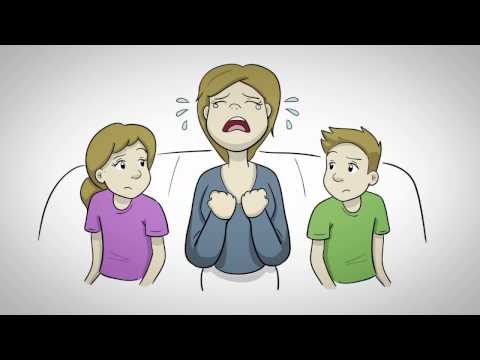
Okay, let’s chat about something that hits home for a lot of women—norethindrone and how it can mess with your mood.
So, picture this: You’re just living your life, then suddenly you’re feeling all over the place emotionally. One minute you’re happy, and the next, you’re ready to cry over a cute puppy video. Seriously! What’s going on?
Well, norethindrone is a birth control pill that can have some pretty wild effects on emotions. It’s like riding a rollercoaster sometimes. But why? That’s what we’re gonna unpack here.
Join me as we dive into the emotional ups and downs women experience with this little pill. Whether you’re taking it or just curious, I promise you’ll relate in one way or another.
Exploring the Emotional Effects of Norethindrone: How It Influences Mood and Feelings
Norethindrone is a type of hormonal birth control, specifically a progestin. When women take it, they might notice changes in their mood and emotions. So, let’s talk about how this medication can mess with those feelings, you know?
First off, hormonal fluctuations are a given when you’re on norethindrone. Your body reacts to it like it’s experiencing a mini rollercoaster ride! Some days can feel great; others? Not so much. This could lead to things like mood swings or irritability.
Just imagine this: you wake up feeling fine, but by mid-afternoon, you’re all teary-eyed over a cute dog video. It’s not unusual with hormones bouncing around. That could be the norethindrone at work.
Now let’s get into some specific effects:
- Mood swings: You might go from happy to sad in the blink of an eye. This happens because norethindrone affects neurotransmitters in your brain that regulate mood.
- Anxiety: Some women report heightened anxiety while taking it. If you’re already prone to anxiety, well, it may feel worse.
- Depression: In some cases, norethindrone can contribute to feelings of sadness or hopelessness for some women.
- Irritability: If you’re feeling touchy or easily annoyed, that could be tied back to the hormones shifting in your system.
It’s important to understand that everyone reacts differently. While some may experience severe mood changes on norethindrone, for others it’s just a minor bump in the road.
Let’s not forget about the timing. Hormones fluctuate throughout your cycle anyway—adding norethindrone can amplify that natural ebb and flow of emotions.
If you’re noticing significant emotional changes and they’re bothering you? Seriously consider chatting with your doctor about it. Sometimes adjusting the dose or trying another method can make all the difference.
So yeah, being mindful of how your body responds is key when you’re on norethindrone. You’re not alone if these feelings pop up; many women share similar experiences. Just keep track of how you’re feeling day by day—it’s your own little emotional diary!
Understanding the Impact of Birth Control on Your Mood: Signs and Insights
It’s pretty well-known that birth control can mess with your body in various ways, but the emotional side of things? That often gets left out of the conversation. So let’s break it down—specifically looking at norethindrone, which is a type of hormonal birth control. You might be surprised to find that it can influence your mood pretty significantly.
First off, what is norethindrone? Well, it’s a progestin, which means it’s a synthetic version of the hormone progesterone. This hormone plays a key role in regulating your menstrual cycle and can impact mood depending on how it interacts with other hormones in your body.
Not everyone experiences mood swings or emotional changes while on norethindrone, but for some women, it’s like riding an emotional rollercoaster. You might feel great one moment and then suddenly drop into feelings of sadness or irritability. So what are some signs you might notice if you’re affected by this?
- Increased Irritability: You know those days when everything gets on your nerves? Well, that could be linked to hormonal shifts.
- Heightened Anxiety: Some women report feeling more anxious or on edge since starting their birth control.
- Mood Swings: This one’s a biggie. You may go from happy to sad in record time—definitely not fun.
- Changes in Libido: Your sex drive might take a hit, which can feed into how you’re feeling overall.
Okay, now let’s think about why this happens. Hormonal fluctuations can lead to changes in neurotransmitters—those little brain chemicals like serotonin and dopamine that play big roles in regulating mood. When those levels shift because of hormonal birth control, it can trigger all sorts of emotional responses.
Here’s something real: A friend of mine started taking norethindrone for her irregular periods and noticed she was crying way more over commercials than she ever had before! It was wild for her; she was like “What is happening to me?” After chatting with her doctor and tweaking her dosage a bit, things started leveling out.
If you’re noticing these changes while on norethindrone or any other hormonal birth control, don’t hesitate to reach out to your healthcare provider. They get the struggle and can help figure out if it’s the medication or something else going on emotionally. Remember that everyone’s body responds differently—what works wonders for one person could feel awful for another.
So yeah, understanding how norethindrone affects your mood isn’t just about recognizing signs; it’s also about listening to yourself and seeking support when needed. Emotions are complicated enough without added hormonal drama!
Understanding Mood Swings in Women: Common Causes and Solutions
Mood swings can feel like riding a rollercoaster, and for many women, they’re a regular part of life. Between hormonal changes, stressors, and everything else life throws at you, it’s no wonder mood swings happen. Let’s break down some common causes and possible solutions.
Hormonal fluctuations are a big player here. Many women experience shifts in mood throughout their menstrual cycle. Those days right before your period can be particularly rough. You might feel irritable or tearful over things that usually wouldn’t bother you. The reason? Well, hormones like estrogen and progesterone can impact neurotransmitters in the brain that regulate mood.
Then there’s stress. Life is busy—work, family obligations, relationships—it all adds up! When you’re juggling too much or dealing with difficult situations, it can influence your emotions significantly. Maybe one day you’re feeling on top of the world, and the next day you’re ready to snap at someone for no apparent reason. Sound familiar?
On top of all this, let’s talk about Norethindrone, which is often prescribed for various conditions like endometriosis or to regulate periods. While it can help manage physical symptoms, it sometimes works its way into mood changes too. Some women report feeling more anxious or experiencing severe mood swings when they start taking it—not everyone will have this reaction though! It’s super personal.
Now for potential solutions! First off, track your cycle. Knowing when those hormonal changes hit could help you prepare mentally for any mood dips. Some apps out there can make this easier than ever; you just input your data and voilà!
Another thing to consider is stress management techniques. If life feels overwhelming, practices like mindfulness meditation or yoga might help ease that tension. Seriously worth giving them a go if you’ve never tried! Also think about opening up a bit more—whether it’s talking to friends or chatting with a therapist about what you’re experiencing.
And don’t forget about exercise. That good ol’ movement not only keeps your body healthy but also releases those lovely endorphins which are nature’s mood lifters! Even just a daily walk can work wonders for your mental state.
Lastly, chat with your doctor if you feel that Norethindrone is impacting your moods negatively; they may adjust dosages or suggest alternatives that fit better with how you’re feeling.
Mood swings aren’t just part of being a woman; they’re complex and influenced by many factors including biological ones like hormones and environmental ones like stressors in daily life. The key here is understanding what triggers those emotional shifts so you can handle them better—because seriously? You deserve to feel balanced and good every day!
If you’ve ever been on hormonal birth control, you might have noticed that your moods can feel like a bit of a rollercoaster. I mean, one minute you’re feeling on top of the world, and the next, it’s like the weight of the universe is crashing down on your shoulders. Norethindrone, a synthetic progestin used in many birth control pills, can definitely play a part in this emotional dance.
Let’s talk about Sarah for a sec. She started taking a pill with norethindrone a few months ago. At first, she thought it was working great—her cycle was more regular than ever. But then, without warning, she found herself snapping at her partner over little things or bursting into tears during sappy commercials. “What is happening to me?” she wondered. Sarah’s mood swings had turned her usually easygoing self into someone she hardly recognized.
So what gives? Norethindrone works by regulating hormones to prevent ovulation and alter your menstrual cycle. Perfect for avoiding pregnancy but sometimes not so perfect for your mood. The thing is, hormones have this sneaky way of affecting our brain chemistry. You know how they say there’s science behind emotions? Well, fluctuating hormone levels can lead to changes in neurotransmitters like serotonin and dopamine—the stuff that keeps our mood stable.
But not every women experiences these mood swings in the same way; some might barely notice any change at all! It really depends on your body chemistry and emotional history. If you’ve struggled with anxiety or depression before starting this type of birth control, there’s a higher chance that norethindrone could amplify those feelings.
It isn’t just about being moody either; you might find yourself feeling more anxious or even experience symptoms of depression. Imagine going through life one moment feeling like everything’s peachy keen and then suddenly feeling isolated or overwhelmed for no apparent reason—frustrating, right?
Now don’t get me wrong; hormonal birth control has its perks too! Many women swear by it for managing painful periods or acne issues—but it’s always good to be aware of how anything messing with your hormones could affect your mental state.
If you’re on norethindrone (or any hormonal contraceptive) and start noticing mood shifts that make life tricky to navigate or feel different from what you’re used to—don’t hesitate to reach out! Talking things through with a healthcare provider can help you find the best fit for both your physical and emotional wellbeing.
So yeah, if you’re riding those emotional highs and lows thanks to norethindrone, know you’re not alone! It’s just part of figuring out how your body reacts to all these changes—and getting the conversation started can lead you toward feeling more like yourself again!