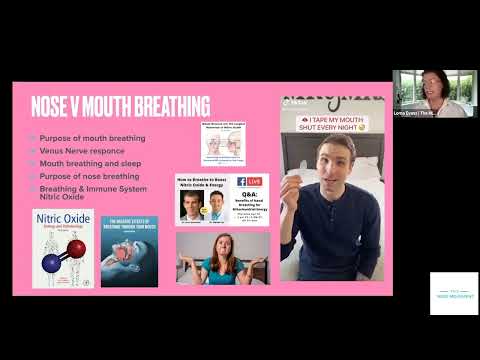
Hey, have you ever thought about how breathing can mess with your head? I mean, like, it’s something we do all day without even thinking. But here’s the thing: how you breathe—like if you’re a nose breather or a mouth breather—can actually say a lot about your mental health.
Sounds weird? I get it. But hang on. Picture this: when you’re anxious or stressed, do you notice how shallow your breathing gets? It’s wild how something so simple can link up with your feelings. Seriously!
So let’s chat about this whole nose-breathing thing. It’s not just about airflow; it might just be about your state of mind too. Pretty interesting, right?
Enhancing Brain Function: The Surprising Benefits of Nose Breathing
Breathing is one of those things that, you know, we do without thinking about it. But when you start looking into it, especially **nose breathing**, it turns out that the way we breathe can really affect our brains and mental health.
First off, when you breathe through your nose, your body gets better at filtering out pollutants and allergens. This means cleaner air reaching your lungs and, ultimately, your brain. And cleaner air can lead to better focus and a sharper mind. It’s like giving your brain a nice little boost.
Nose breathing also helps with oxygen delivery. When you inhale through your nose, the air passes through various structures that help warm and humidify it. This makes oxygen absorption more effective. More oxygen means more energy for our brains to use!
Another benefit? Nose breathing encourages **diaphragmatic breathing**, which is deeper than shallow chest breathing. When you’re taking deeper breaths, you’re activating the parasympathetic nervous system. This system is all about relaxation and calmness! It’s kind of like hitting a reset button after a stressful day.
And get this: nose breathing can even help improve sleep quality. Better sleep means a refreshed mind ready to tackle new challenges each day! People who practice consistent nose breathing often report feeling more alert and focused after they wake up.
Let’s not forget about emotional regulation either! Studies suggest that how we breathe can influence our mood and emotions. By using nasal breath during meditation or mindfulness practices, you’re setting yourself up for some serious mental clarity, which can help reduce anxiety or stress levels.
To put this into perspective: imagine you’re stressed about an upcoming meeting. Instead of taking shallow breaths in a panic, if you switch to nose breathing for just a minute or two—taking smooth, deep inhales—you might find yourself feeling calmer and more collected when it’s time to speak.
So yeah, with all these benefits stacking up from something as simple as switching how you breathe, it’s worth considering how making this small change could positively impact your day-to-day mental health. It’s fascinating how enhancing brain function could be just a breath away!
To wrap it all up: getting more into nose breathing might just be one little tweak that could lead to big changes in mood, focus, and overall brain performance. So next time you’re feeling overwhelmed or unfocused? Just remember to take a moment for some relaxing nose breaths; it can really make a difference!
Understanding Why You Can’t Breathe Through Your Nose When It’s Not Blocked: Common Causes and Solutions
You know that feeling when you try to breathe through your nose but it just doesn’t happen? It can be super annoying, especially when you’re not even sick or congested. So, let’s chat about some reasons why this might happen and what you can do about it.
First off, anxiety is a big player here. When you’re feeling anxious or stressed, your body goes into fight-or-flight mode. This can cause a lot of muscle tension, including in your airways. You might find yourself breathing through your mouth more because it feels easier when you’re feeling that way. It’s like a natural response to calm down quickly.
And then there’s habitual mouth breathing. If you’ve grown up breathing more through your mouth, it’s easy to get stuck in that pattern even when you don’t have to. Sometimes it’s just what you’re used to! And breaking that habit? Well, it takes some conscious effort.
Your environment matters too. Allergens, like dust mites or pollen, can irritate your nasal passages even if they aren’t fully blocked. It’s subtle but can definitely lead to discomfort while trying to breathe through your nose.
- Nasal Valve Collapse: This happens when the small area inside the nose doesn’t keep its shape well during breathing. If you’ve got this issue, it may feel like you can’t catch a breath properly through your nose.
- Deviated Septum: Basically, it’s when the wall between your nostrils is crooked. It can mess with airflow and make things feel off!
- Chronic Sinusitis: Even if you’re not currently feeling stuffed up, ongoing sinus issues can cause inflammation that makes each breath feel restricted.
You might crunch your eyebrows thinking about all this stuff—who knew so much could go into something so simple as breathing? But seriously, there’s no need for panic; most of these issues are manageable!
If you’re feeling stuck and it’s affecting how you go about life—like at work or while hanging out with friends—consider seeing a pro who specializes in nasal issues or maybe even an therapist for the anxiety side of things. Exploring both will help bring some balance back into those moments where taking a breath feels like an uphill battle.
Practices like mindfulness and relaxation techniques, such as deep belly breathing exercises, can also help calm the nervous system and potentially make nasal breathing feel easier over time. It’s all connected—you calm the mind; maybe you’ll clear up those airways too!
The thing is: don’t ignore how you’re feeling! It matters. Taking steps towards understanding why you’re having trouble might give you insights into other areas of mental health as well. After all, our bodies and minds work together in ways we often overlook.
The Psychology Behind Mouth Breathing: Understanding Its Effects on Mental Health
Mouth breathing might seem like just a quirky habit, but it’s got some real psychological and physiological effects that can’t be ignored. Most of us don’t realize how important our nose is when it comes to breathing. It’s not just about pulling in air; it’s a whole system that helps our body function better, you know?
When you breathe through your nose, you’re actually warming and filtering the air, which is pretty cool. Mouth breathing, on the other hand, can lead to several problems—not just physical ones but mental health issues too.
First off, mouth breathing can mess with your sleep. If you’re snoring away all night because you’re a mouth breather, well—hello!—you might be waking up feeling groggy and irritable. And when you’re tired, let’s face it: everything feels harder. Your mood dips, anxiety sneaks in more easily, and sometimes even depression can take hold.
Another thing is that mouth breathers often experience dry mouth and bad breath. That’s not just embarrassing; it can also affect your confidence in social situations. Imagine going to speak with someone and worrying about your breath! That stress can lead to anxiety or low self-esteem over time.
Also, there’s this concept called the fight-or-flight response. When you’re stressed or anxious—imagine that moment before a big presentation—you might start unconsciously shifting to mouth breathing. When this happens regularly, it can keep your body in a constant state of alertness. This heightened state isn’t good for your mental health; it keeps you on edge and affects how you think and feel.
You know what’s wild? There are studies suggesting that chronic mouth breathers tend to have higher levels of anxiety compared to those who breathe through their noses mainly due to those physiological changes happening inside their bodies. Less oxygen getting where it needs to go can also put a damper on your mood.
Here’s something else: if you’re constantly battling nasal congestion—which often leads people to switch to mouth breathing—you could end up feeling isolated or frustrated because you’re trying to navigate everyday life while dealing with discomfort. That stress definitely takes a toll on mental well-being.
So yeah, while we might brush off mouth breathing as no big deal most of the time, its effects on mental health are pretty significant when pieced together. It isn’t just about how we breathe; it’s about how we feel daily because of those habits—and those feelings matter!
In short:
- Mouth breathing affects sleep quality.
- It leads to dry mouth and potential confidence issues.
- Can trigger anxiety due to increased fight-or-flight response.
- Potentially contributes to higher levels of anxiety.
- Nasal congestion pushes people towards more stress.
Next time you catch yourself yawning wide while inhaling through your mouth or notice someone else doing it, remember—it goes beyond simple habit; it’s part of a bigger picture affecting not only physical health but our minds as well too!
Okay, so let’s talk about something that might seem a bit odd at first: nose breathers and mental health. It’s one of those things where you might not think there’s a connection, but trust me—there is!
You know that feeling when you’re anxious? Your heart races, your palms get sweaty, and all you can do is mouth-breathe like a fish out of water? Yeah, I’ve been there. But when you breathe through your nose instead, it’s like hitting the brakes on that panic train. Nose breathing helps slow down your heart rate and calms your mind. So basically, it’s kinda like giving your brain a hug.
Here’s a little story for you: remember my friend Jamie? She had this gnarly anxiety problem, especially before big presentations at work. She swore she’d forget everything the moment she stepped in front of people. One day, after spilling coffee all over herself (classic), she decided to try something different—nose breathing. She said it felt weird at first but allowed her to focus better and feel less frantic. With time, those nerves became a little more manageable.
It turns out there are real psychological benefits to this whole nose-breathing thing. See, our brains are wired to react to our breath patterns. When we breathe deeply through our noses, it sends signals to our bodies that everything’s cool. It activates parts of our nervous system that help us chill out rather than freak out.
But here’s where it gets even more interesting: some studies suggest that people who are “nose breathers”—you know, those folks who naturally prefer their nostrils over their mouths—tend to have lower levels of stress and anxiety in general. It makes sense when you think about how breathing influences overall well-being.
Of course, not everyone is naturally inclined to breathe through their noses all the time; some people just can’t help but gasp for air through their mouths due to stuffy allergies or other issues. But if you can consciously switch up how you breathe—even in tough moments—it might help pave way for better mental health.
So yeah, the next time you’re feeling stressed or overwhelmed, maybe give nasal breathing a shot! You could be taking a crucial step towards calming those racing thoughts and bringing back some mental clarity. And who knew such a simple act could hold so much power? Let’s try being nose breathers together!