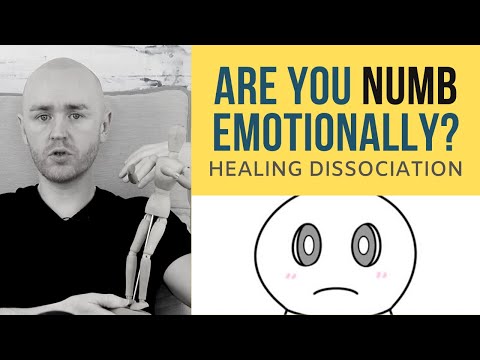
You know that feeling when everything just feels… flat? Like you’re watching life from behind a glass wall? Yeah, that’s numbness for you.
It’s like your emotions packed their bags and went on vacation without telling you. One minute, you’re laughing at a funny meme, and the next, it’s like someone hit the mute button on your feelings.
And let’s be real—it can be super confusing. You might wonder if you’re broken or just going through a phase. Trust me, you’re not alone in this.
Numbness can creep in quietly. Or sometimes it hits like a ton of bricks. Either way, it’s tough. So let’s chat about what numbness really is and why it happens.
Understanding Emotional Numbness: What It Means and How to Cope
Emotional numbness can feel like you’re living in black and white when everyone else is enjoying vibrant colors. You might feel disconnected from your feelings—like watching your life unfold in a movie rather than actually experiencing it. Sometimes, it’s triggered by overwhelming stress, trauma, or even depression. It’s your mind’s way of protecting you from being hurt further, kind of like putting on armor.
So, what does this numbness really look like? Well, some folks find they can’t feel happiness or sadness. It’s as if they’ve hit the mute button on their emotions. Others might notice they’re not reacting to situations that would typically elicit strong feelings. Like, maybe you heard about a friend’s big life event and felt nothing at all.
There are a few reasons behind emotional numbness:
- Trauma: If you’ve been through something really tough—like losing a loved one or experiencing abuse—your brain might just shut down those feelings because they’re too intense to handle.
- Stress overload: Life can get super overwhelming—work pressure, relationship issues, or family troubles can pile up quick. Sometimes your emotions just go into hiding.
- Mental health conditions: Conditions like depression and anxiety often come along with that feeling of emotional flatness.
When it comes to coping with numbness, there are ways to break out of that emotional shell:
- Talk it out: Seriously! Find someone you trust—a friend, family member, or therapist—and share what you’re feeling (or not feeling). Just saying things out loud can help.
- Journaling: Putting pen to paper can be cathartic. Write about your day or even how you think you’re feeling; it helps clarify those cloudy emotions.
- Mindfulness practices: Try meditation or yoga; they can ground you in the moment and help reconnect you with those emotions you’ve tucked away.
It’s worth remembering that everyone’s experience with emotional numbness is different. Some days might feel more accessible than others. You could wake up one morning and finally feel a spark of something again—it might be hope or even joy—and that’s okay!
If things continue feeling heavy for too long or turns into despair where it’s hard to function day-to-day, reaching out for professional help could be a game-changer. Therapists specialize in this stuff—they’re trained to help you untangle those complicated feelings.
Emotional numbness doesn’t have to define who you are. You’re still there under all that armor! Healing is possible and getting back in touch with your feelings is absolutely within reach—even if it feels so far away right now.
Understanding Emotional Disconnection: 5 Reasons You Might Feel Detached from Your Feelings
Emotional disconnection can feel like this heavy fog, right? One minute, you’re cruising through life and the next, it’s like you’re in a glass box. You know there are feelings going on, but they seem just out of reach. So let’s dig into some reasons that might be causing this kind of numbness.
1. Trauma
Trauma can really mess with how you connect to your emotions. If you’ve been through something really tough—maybe a serious accident or loss—it’s common to feel detached afterward. It’s like your brain is trying to protect you from feeling all that pain at once. But hey, it can also lead to a sense of emotional emptiness.
2. Stress and Anxiety
When stress piles up, it can cloud your mind and drown out those emotional signals. Your body might be in fight-or-flight mode all the time, making it hard for you to tune into what you’re actually feeling. It’s like trying to hear a whisper when there’s loud music blasting around you.
3. Depression
Feeling detached from your emotions is often tied to depression. You might notice that things that used to bring joy just don’t hit the same way anymore. Your brain can dampen those feelings until they almost vanish completely, leaving you feeling adrift and confused about who you are and what matters.
4. Coping Mechanisms
Sometimes we develop coping strategies that inadvertently lead us away from our feelings. It could be avoiding certain situations or distracting ourselves with Netflix marathons or endless scrolling through social media. While these tactics might provide temporary relief from overwhelming emotions, they often prevent us from actually processing what we’re experiencing.
5. Lack of Awareness
You know when life gets so busy that it feels like you’re on autopilot? That hustle-and-bustle lifestyle can disconnect you from your inner self too! If you’re not taking the time to check in with yourself, those feelings could easily slip away unnoticed—like a friend waving goodbye without realizing they’re gone for good.
So if you’re feeling emotionally disconnected, remember it’s not just you. It’s something a lot of people go through, and understanding these reasons might help lighten up that fog a bit! Reaching out for support or diving into some self-exploration could make all the difference here, so don’t hesitate to start figuring things out!
Understanding Emotional Numbness: The Impact of Suppressing Your Feelings
Emotional numbness can feel like you’re walking through life in a fog. You might be there, physically, but emotionally? It’s like you’re on mute. This happens when people try to suppress their feelings. They think it’s easier to shut down rather than face tough emotions. But here’s the thing: suppressing feelings can lead to bigger problems down the road.
What is emotional numbness? This is a state where you just don’t feel much of anything. Joy, sadness, excitement—everything feels distant. You might notice it during stressful times or after going through something really hard. Like, say you’ve just lost a job or had a tough breakup—you might not cry or feel angry; instead, it’s just blank.
Suppressing emotions often comes from a desire to protect yourself. But it’s kind of like stuffing a beach ball underwater; eventually, that ball is going to pop back up with force. When you push those feelings deep down, they don’t just vanish. Instead, they build up and can explode later in ways you don’t expect.
How does this affect relationships? Well, when you’re numb, it can create distance between you and the people who care about you. You might find yourself pushing friends away or avoiding intimate conversations with loved ones because you’re not even sure how to express what you’re feeling—or worse, that you’re feeling nothing at all.
Here are some common signs of emotional numbness:
- You struggle to feel happiness during moments that used to light you up.
- You find it hard to connect with others emotionally.
- You often feel detached from your surroundings or your own body.
- You have frequent mood swings but can’t quite pinpoint why.
Let me share something personal here: A friend of mine went through a really tough time after losing her dad. Instead of grieving fully—feeling all those gut-wrenching emotions—she put on a brave face and shoved everything deep down inside. Months passed and everyone thought she was “doing okay.” But one evening she broke down in tears over an old photo—it was like all those suppressed emotions came bursting out unexpectedly.
What can help? Talking about your feelings is huge! Therapy can provide that safe space where you can unpack everything without judgment. Sometimes just saying things out loud makes them less scary and more manageable.
Another approach is mindfulness practices—things like meditation or journaling—to become more aware of your feelings as they come up instead of pushing them aside. It could be helpful; starting small with five minutes every day could make a difference over time.
In summary, while suppressing emotions may seem easier in the moment, it’s definitely not the path towards healing and joy in the long run. Eventually facing those feelings—and maybe getting some support along the way—can bring back that vibrancy you’ve been missing out on for too long!
Numbness can feel like wandering through a thick fog. You know there’s a world around you—people, sounds, colors—but it’s like you’re separated by glass. Everything looks normal, but you can’t feel anything. It’s strange and disorienting, right? I remember a time when I hit that wall myself. The days just blurred together; I was going through the motions but completely disconnected from how I actually felt about anything.
Sometimes numbness sneaks in after intense emotions. Like, maybe you’ve gone through something heavy—a breakup or the loss of someone important—and instead of feeling all those feelings, you just… shut down. Your brain kind of throws up a protective barrier because it feels like too much to handle. You might find yourself saying “I’m fine,” when inside, it’s like there’s this empty space where your emotions used to be. Ever been there?
But hey, it’s not just about single events; chronic stress and anxiety can do this too. Like your brain’s way of saying “Whoa there! This is overwhelming!” So it pulls the plug on your emotional responses to help you cope—even if that makes things feel pretty flat and dull.
Some people might think being numb is a blessing; no more crying or panic attacks! But let me tell you—it often comes at a price. You could miss out on joy and warmth, too. Imagine only half-experiencing life because you’re scared of the messy bits—sadness or anger—that sometimes come along with it.
Getting back in touch with those feelings can be super difficult but also really liberating. Therapy can help navigate through that foggy space and guide you back toward what makes you human: connection, laughter, even tears! It’s all part of being alive.
So if this resonates with you at all—if you’re finding emotions just outta reach—know that you’re not alone in this weird journey. There are paths back to feeling fully again; it just takes some time and maybe a little support from others who get it too.