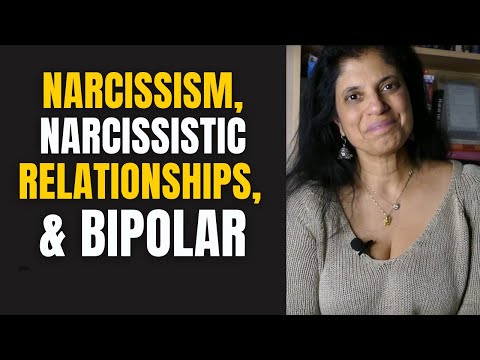
You know, it’s kind of wild how some people just seem to have this magnetic pull, right? But then, there’s that fine line between confidence and… well, let’s say being a bit self-absorbed.
Narcissistic Personality Disorder (NPD) is like the ultimate level of that self-centeredness. It’s tough because, while they can be charming at first, it can really mess with their relationships. Imagine dating someone who constantly needs validation but rarely cares about your feelings.
It’s exhausting! I mean, you want them to be happy, but at what cost? You end up feeling more like a prop in their show than a partner. So yeah, let’s dive into how NPD unfolds in relationships and what it really means for you or anyone caught in that whirlwind.
Understanding the Impact of Narcissistic Personality Disorder on Relationships
Narcissistic Personality Disorder (NPD) can really shake things up when it comes to relationships. If you’ve ever dealt with someone who has NPD, you probably know it can feel like a rollercoaster ride—lots of highs, but also some pretty intense lows. Understanding how this disorder affects relationships might help you navigate those tricky waters.
To kick things off, let’s break down what NPD is. People with Narcissistic Personality Disorder often exhibit a pattern of grandiosity, a constant need for admiration, and a lack of empathy. Honestly, this can make it tough for them to connect genuinely with others. So, here’s the thing: when they’re in a relationship, whether it’s romantic or friendly—or even family ties—they’re usually looking at things through an «I» lens rather than a «we» one.
Here are some key impacts of NPD on relationships:
Now, let’s talk feelings—yours and theirs! You might find yourself constantly walking on eggshells around someone with NPD because their moods can swing dramatically. One moment they might be charming and charismatic; the next? They could be cold as ice if they feel criticized or challenged.
Consider Emily’s story: She dated Jake for two years before realizing he had strong narcissistic traits. At first, he was super charming; he showered her with compliments and made her feel special. But then slowly, everything became about him—his needs came first always! When Emily tried to express her concerns about their relationship dynamics, Jake would dismiss her feelings as “overreacting.” It left her feeling isolated and misunderstood.
The aftermath? Relationships affected by NPD tend to leave emotional scars that linger even after the person is gone. You might struggle with self-esteem issues due to the constant belittling or gaslighting experiences.
And let’s not forget the challenge of setting boundaries! People with NPD may push back hard against any line you try to draw, which makes it even tougher to maintain your needs within that relationship.
In summary (not like a fancy conclusion here), dealing with narcissism in relationships is really complicated. While love isn’t always enough when facing these challenges, recognizing patterns can empower you—or at least give you clarity on how this disorder plays into your interactions. Armed with understanding, you might find ways either to cope better or make choices that support your well-being moving forward!
Navigating Love: How to Build a Healthy Relationship with Someone Who Has Narcissistic Personality Disorder
Building a healthy relationship with someone who has Narcissistic Personality Disorder (NPD) can be tricky, no doubt about it. You might feel like you’re on a rollercoaster, sometimes soaring high and other times plummeting down. So, here are some insights to help you navigate that path.
First off, it’s super important to understand what NPD is all about. People with this disorder often have an inflated sense of self-importance and a deep need for admiration. They may lack empathy for others, which can lead to some seriously confusing dynamics in your relationship.
Set clear boundaries. This is key! Like walls around your emotional castle. You’ve gotta decide what’s okay and what’s not. For instance, if your partner tends to dominate conversations or dismisses your feelings, tell them how that affects you. It’s uncomfortable but necessary.
Another big one? Practice self-care. You might find yourself feeling drained after interactions that should be uplifting—like spending time together or sharing thoughts. Make time for your own interests and friendships to recharge your emotional batteries.
Communication styles also play a major role here. People with NPD often have difficulty recognizing other people’s feelings or needs, which can create conflict. When having tough conversations:
- Be clear and direct: Instead of hinting at what you need, lay it out there.
- Avoid blame: Use “I” statements instead of “You” accusations to express how their actions make you feel.
- Stay calm: Keeping the peace means managing yours too; emotional outbursts can escalate things quickly.
Also, demand respect. Your feelings matter just as much as theirs do! It might feel awkward at first—like standing up in a room full of giants—but expressing the need for mutual respect is vital.
You might also consider seeking therapy—alone or together. A mental health professional can help you both understand each other better and gain skills to improve communication. Having an unbiased ear can make a world of difference!
And remember: don’t lose yourself. It’s easy to put your needs aside when living with someone with NPD because they view the world through their own lens. But in doing so, you risk feeling isolated or unvalued over time.
Sometimes, this journey isn’t easy; there will be ups and downs like any relationship but navigating love with someone who has NPD doesn’t have to crush your spirit. By focusing on healthy habits—like setting boundaries and encouraging open communication—you can create something strong and meaningful while staying true to yourself too!
Understanding Narcissistic Personality Disorder: Impact on Relationships Explored on Reddit
Narcissistic Personality Disorder, or NPD for short, is one of those terms that gets thrown around a lot, especially on social media platforms like Reddit. So let’s unpack it a bit, focusing on how it impacts relationships, because that’s where the real drama unfolds.
First off, what is NPD? Basically, it’s a mental health condition where someone has an inflated sense of self-importance and a deep need for admiration. They often lack empathy for others. This can make navigating relationships pretty complex.
Think about it this way: imagine being with someone who always needs to be the center of attention. You can try to share your feelings or accomplishments, but they’ll quickly steer the conversation back to themselves. It can feel frustrating and invalidating.
In relationships with someone who has NPD, you might notice a few key patterns:
- Self-centeredness: Everything revolves around them; your needs may take a backseat.
- Manipulation: They might twist situations to make you feel guilty for not understanding them.
- Fluctuating affection: Their mood swings can lead to hot-and-cold behavior, making you second-guess yourself.
One Reddit user shared their experience of how their partner would shower them with love one minute and then turn cold the next. That kind of unpredictability makes it hard for anyone to feel secure in the relationship.
Now let’s talk about empathy—or the lack thereof. People with NPD often struggle to understand your feelings because they’re so focused on their own perspective. If you’re upset about something important to you, they might respond with indifference or even say things like “You’re overreacting.” This can lead to serious emotional strain.
It doesn’t mean every person with NPD is outright abusive or toxic; some may just not know how their actions affect others. But over time, these patterns create an environment where respect and emotional validation take a hit.
If you find yourself in this kind of relationship dynamic, it’s super important to recognize what’s happening. You deserve support and understanding too! Some folks on Reddit have emphasized that setting boundaries is crucial when dealing with narcissists; otherwise, you risk losing yourself in the relationship.
Ultimately, relationships involving someone with Narcissistic Personality Disorder can be really challenging but also eye-opening if you learn from them. Knowing what to expect—and prioritizing your own emotional needs—can help keep things from spiraling into chaos.
Remember: recognizing these traits isn’t about labeling someone; it’s more about understanding how their behavior affects you and deciding whether that’s something you want in your life long-term. It’s tough stuff for sure—so reach out if you’re feeling overwhelmed!
You know, when someone brings up Narcissistic Personality Disorder (NPD), it often feels like we’re talking about a character from a reality show, right? But here’s the thing—NPD isn’t just some flashy personality trait. It’s actually a complex mental health condition that can really shake up relationships.
Imagine being in a relationship with someone who constantly needs admiration and believes they’re better than everyone else. For example, I once knew a guy named Jake. He was charming at first. Always had the spotlight on him, which drew people in. But as time went on, I noticed something off. Conversations were always about him—his achievements, his problems—while others’ feelings were pretty much ignored. It wasn’t long before his friends started drifting away.
People with NPD often struggle to empathize with others. They see the world through their own lens and it’s hard for them to step outside of that bubble. So when things don’t go their way or they feel criticized, they can react really defensively. I’ve seen relationships get toxic fast because one person is all about their own needs while the other feels invisible or unvalued.
Another point to think about is how this affects intimacy. Real connection requires vulnerability and sharing your less-than-perfect moments, right? But if you’re with someone who only shows you their highlight reel—and expects you to praise them for it—then it’s like trying to fill a bucket that’s full of holes. You pour your heart out but feel like nothing ever lands.
But let’s not forget that behind all that grandiosity lies a lot of insecurity and fear of abandonment; these aren’t just bad people throwing tantrums—they’re often struggling too. This doesn’t excuse the hurt they cause, but it adds another layer to understand the way they interact in relationships.
So for anyone involved with someone exhibiting narcissistic traits, setting boundaries becomes crucial. Otherwise, it’s easy to get caught up in their drama and lose sight of yourself along the way—like being stuck on a rollercoaster you didn’t sign up for.
In short, while NPD can create serious ripples in relationships—like lonely dinners or never-ending conflicts—it also offers an opportunity for growth if both partners are willing to work on themselves and understand what’s happening beneath the surface. At least that’s what I’ve seen; navigating these waters isn’t easy, but clarity can make all the difference in saving yourself from drowning in someone else’s chaos.