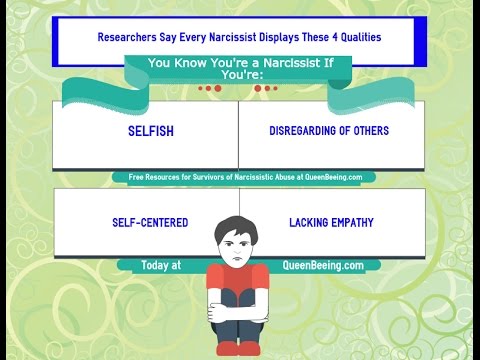
So, have you ever met someone who’s just a little too into themselves? Like, they think the world revolves around them? That’s kinda what we’re talking about here.
Narcissistic Personality Disorder, or NPD for short, is a real thing. It’s more than just being self-absorbed. There are specific criteria that help to identify it. Sounds heavy, I know, but hang on!
It’s kinda fascinating how our minds work. While some folks are just a bit egocentric, others might actually meet the criteria for NPD. You follow me?
Let’s break it down together and see what the DSM-5 says about it. Trust me; understanding this stuff can really shine a light on your own relationships or even your own behaviors!
Understanding Narcissistic Personality Disorder: Key DSM-5 Criteria Explained
Narcissistic Personality Disorder, or NPD for short, is one of those terms that gets tossed around a lot. People often think they know what it is, but the reality can be a bit more complicated. Essentially, NPD is about having an inflated sense of self-importance and a deep need for admiration, among other things. The DSM-5, which is the manual that mental health professionals use to diagnose mental disorders, lays out specific criteria for NPD.
Alright, let’s break down those key criteria from the DSM-5:
- Grandiosity: This means having a really exaggerated sense of self-importance. You might think you’re better than others or have unique qualities that others just can’t understand.
- Excessive need for admiration: It’s not just wanting compliments; it becomes a larger issue when you constantly crave validation from people around you.
- Lack of empathy: This one can really get in the way of relationships. If you find it hard to understand or care about other people’s feelings or experiences, it’s a sign.
- Interpersonal difficulties: People with NPD often struggle maintaining healthy relationships because they tend to manipulate others and expect special treatment.
- Envy: There might be this constant feeling of envy towards others who are successful or perceived as better in any way.
- Arrogant behaviors: You might notice a person with NPD acting haughty or dismissive towards others. It’s like looking down on people as if they’re not worth your time.
To give you an idea: Imagine someone who always has to be the center of attention at every gathering, talking over everyone else and steering conversations back to themselves. If they’re not getting enough praise or acknowledgment from their friends, they might act out in frustration.
While we all have traits like confidence and ambition (and that’s totally normal!), someone with NPD takes these traits to an extreme where it impacts their life negatively. It can create chaos not just for them but also for those around them.
Getting help usually involves therapy—this isn’t about simply “fixing” someone but rather guiding them to develop self-awareness and healthier ways to interact with the world and people.
Understanding these criteria helps in recognizing if what you’re seeing aligns with narcissistic traits. It’s not an easy topic because these behaviors can be deeply ingrained and often go unrecognized by the individual themselves. So yeah, knowing this stuff can make navigating relationships a bit clearer!
Understanding the 9 Key Criteria for Diagnosing Narcissistic Personality Disorder
Narcissistic Personality Disorder (NPD) can be pretty complex, right? The DSM-5, which is like the handbook for mental health professionals, breaks it down into nine criteria. If a person meets five or more of these, they might be diagnosed with NPD.
1. Grandiosity: This isn’t just about being proud of yourself. It means someone has an inflated sense of self-importance. They might think they’re way more special than others. You know the type—always bragging about their accomplishments, expecting others to admire them without question.
2. Preoccupation with success: People with NPD often daydream about unlimited success, power, brilliance, or beauty. It’s like their minds are filled with fantasies where they’re on top of the world. They may obsess over how to become famous or influential.
3. Believing they’re special: This goes hand in hand with the first two points. They often think they’re unique and can only be understood by other high-status people or institutions. So you might hear them claiming that no one really «gets» them unless you’re wealthy or important.
4. Requiring excessive admiration: Ever met someone who constantly seeks compliments? For those with NPD, it’s not just a little ego boost; it’s like oxygen to them. They need validation and often feel upset if they don’t get it.
5. Sense of entitlement: A person with NPD may believe they deserve special treatment all the time—like cutting in line or getting what they want without waiting their turn. It’s frustrating for everyone around them!
6. Being interpersonally exploitative: This means using others to reach their own goals without much regard for those people’s feelings or needs. Like, if they see someone as beneficial for their career, they’ll latch on to that person and use them up until it’s no longer helpful.
7. Lacking empathy: Empathy is all about understanding what others are feeling, but this can be tricky for someone with NPD. They often have trouble recognizing other people’s emotions and might seem cold or dismissive towards feelings that don’t directly affect them.
8. Envying others: You’d think someone who feels superior wouldn’t feel jealousy—but that’s not the case here! Someone with NPD can easily envy your successes while thinking you don’t deserve what you have anyway.
9. Showing arrogant behaviors: This is when a person acts haughty or snobbish toward others—like looking down on people who aren’t as successful in their eyes; maybe rolling their eyes at anyone living a “lesser” life than theirs.
So basically, when we look at these criteria together, it forms a picture of how someone thinks and interacts in ways that really revolve around themselves—often at the expense of healthier relationships with others! It can feel draining dealing with narcissism, whether it’s at home, work, or even just among friends—pretty eye-opening stuff!
Understanding Personality Disorders: Key Criteria from the DSM-5 Explained
Understanding personality disorders can be a bit tricky, right? But if we break it down together, it’ll make more sense. So today, let’s chat about Narcissistic Personality Disorder (NPD) as defined in the DSM-5. This is like the go-to guide for mental health professionals when they’re diagnosing conditions.
First off, NPD is all about how someone sees themselves and interacts with others. It’s not just arrogance or being a bit self-centered; it’s more complex than that. Here are some key criteria that can help illuminate what this disorder looks like:
1. Grandiosity: People with NPD often have an inflated sense of their own importance. They really believe they are better than others or expect to be recognized as superior, even without the achievements to back it up.
2. Need for Admiration: There’s a constant craving for validation and admiration from others. Imagine always fishing for compliments or needing people to stroke your ego—it can get exhausting.
3. Lack of Empathy: This one’s significant: individuals with NPD often struggle to recognize or care about other people’s feelings and needs. It’s like they’re in their own bubble where only their feelings matter.
4. Exploitative Behavior: When they interact with others, there can be an underlying manipulation or exploitation to achieve their own goals. It’s not uncommon for them to take advantage of people without a second thought.
5. Envy: They might feel envious of others’ success or think that others envy them—it’s kind of a twisted perspective that keeps them in this cycle of insecurity and entitlement.
Now let me tell you, this isn’t just something you wake up one day and have, you know? These traits must cause significant impairment in everyday life—like at work, school, or in relationships.
So picture this: there’s someone who constantly demands attention at work—let’s call him Dave. Dave is super talented but also believes he should always get credit for everything he’s done while downplaying his teammates’ contributions. If anyone dares to disagree with him or even gets more praise, he tends to become angry or sulky because he feels threatened by the idea that someone could overshadow him.
That example shows how these criteria play out in real life! It’s a tough situation not only for someone dealing with NPD but also for those around them.
Recognizing that NPD is one piece of a broader puzzle is key too; the DSM-5 outlines that these traits aren’t just episodic behaviors—they’re pretty ingrained patterns that affect personal relationships deeply over time.
And remember, labeling someone isn’t about putting them in a box; it helps understand their behavior better and figure out how best to interact with them—or support them if they’re seeking help! Mental health isn’t black and white; it’s all pretty nuanced and complicated.
In short: Narcissistic Personality Disorder can significantly impact someone’s life and the lives of those around them through patterns of grandiosity, admiration-seeking, lack of empathy, exploitative tendencies, and envy—all leading to troubles in relationships and functioning well in society overall.
Narcissistic Personality Disorder (NPD) is one of those terms that gets thrown around a lot, but it can be tricky to really grasp what it means. So, the DSM-5—the big book where mental health professionals go to diagnose conditions—lays out some specific criteria for NPD. But let’s be real; it’s not just a checklist you tick off and voilà!
To start, one of the key things about NPD is this excessive need for admiration. Picture someone who constantly seeks compliments or feels like they’re the center of every discussion. They might throw a fit if they don’t get the attention they crave, which sounds exhausting, right? There’s also this sense of grandiosity—like they really believe they’re better than everyone else or have some special status that makes them untouchable.
Another thing is lack of empathy. You know how sometimes you can just feel when someone isn’t really listening or caring? People with NPD often struggle big time with this. It’s like their emotional radar is all wonky and they can’t pick up on others’ feelings.
Then there’s the entitlement piece. Imagine being in a situation where someone thinks they deserve special treatment—just because? That’s a bit what it feels like when someone has NPD.
I once knew this guy who fit the bill perfectly. He was charming at first, always ready to make you laugh or be the life of the party. But once I got to know him better, wow—it was all about him. If you tried to share your own experiences, he’d somehow redirect everything back to himself. And honestly? It left me feeling kind of drained.
It’s interesting how we often think of narcissism as just being self-centered; however, there’s a lot more complexity involved. Sometimes people with these traits are deeply insecure underneath all that bravado, which makes it even harder to connect with them on any meaningful level.
So yeah, while diagnosing NPD involves checking off certain boxes in that DSM-5 criteria list, understanding it goes way deeper than that cold textbook definition. It’s about recognizing how these traits play out in reality and affect relationships—and more importantly, how those caught in those dynamics can feel lost and frustrated in their interactions.