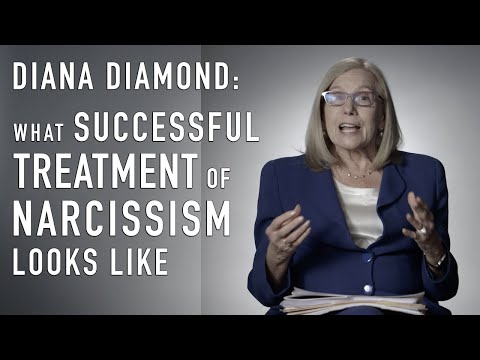
So, let’s talk about narcissistic personality disorder—NPD for short. It sounds heavy, right? But seriously, it’s a lot more common than you might think. People often toss around the word “narcissist” like confetti, but there’s a real struggle behind it.
Imagine knowing someone who’s charming and charismatic one minute, then totally shuts down when things don’t go their way. It can be super confusing and even exhausting, not just for them but for everyone around them too!
So how do you support someone with NPD? Well, that’s what we’re gonna get into. There are some effective strategies that really make a difference. Grab a comfy seat and let’s figure this out together!
Effective Strategies for Supporting Someone with Narcissistic Personality Disorder
Supporting someone with Narcissistic Personality Disorder (NPD) can feel like walking on eggshells sometimes. Seriously, feeling stuck between wanting to help and just wanting to run away is common. But there are ways to navigate this tricky situation and provide meaningful support.
First off, **understanding the condition** is crucial. NPD often brings a pattern of grandiosity, need for admiration, and a lack of empathy. It’s like being around someone who constantly needs to be the center of attention. This can lead to strained relationships and intense emotions on both sides.
One effective strategy is to **set clear boundaries**. This part’s huge! For instance, if they often change plans at the last minute without notice, tell them how that affects you. Use “I” statements—“I feel hurt when plans change so suddenly.” It’s not about blaming; it’s about sharing your feelings.
Another important approach is **to validate their feelings** while maintaining your own perspective. You could say something like, “I get it; you’re feeling really upset about that.” This helps them feel heard but doesn’t mean you have to agree with everything they say or do.
Also, try encouraging **professional help**, if they’re open to it. Suggesting therapy can be daunting; some might see it as a threat to their self-image. So maybe frame it as a way for them to explore their feelings or gain new insights, rather than as a fix for their «narcissism.»
However, just remember that sometimes they might not want help at all—that’s okay too! You can’t force someone into therapy; it’s a personal decision.
Moreover, give yourself some space when needed. Supporting someone with NPD can take an emotional toll on you too! If you’re feeling overwhelmed or drained, it’s perfectly fine to take breaks or talk about your feelings with a trusted friend or therapist.
Lastly, be patient. Change takes time—seriously! Just because you’re trying these strategies doesn’t mean things will magically get better overnight.
In summary:
- Understand NPD: Know the traits associated with it.
- Set clear boundaries: Use “I” statements to communicate how certain behaviors affect you.
- Validate their feelings: Acknowledge their emotions without losing your perspective.
- Encourage professional help: Frame therapy positively as an opportunity for growth.
- Take care of yourself: Recognize when you need space from the relationship.
- Be patient: Change takes time—don’t expect instant results.
It’s not always easy supporting someone who struggles with NPD, but those little steps can make a difference for both of you in the long run!
Comprehensive Narcissistic Personality Disorder Treatment Plan PDF: Strategies for Healing and Recovery
Narcissistic Personality Disorder (NPD) can really shake things up in someone’s life. It’s tough on relationships, work, and overall well-being. So let’s break down what a good treatment plan could look like for someone dealing with NPD. This isn’t a magic fix—it takes time and effort—but it can be a real path to healing and recovery.
1. Therapy as the Backbone
First off, therapy is key. Talk therapy, especially **Cognitive Behavioral Therapy (CBT)**, is often the go-to option. CBT helps individuals recognize distorted thinking patterns and encourages healthier ways to interact with others. For example, if someone believes they’re always right, CBT can guide them to consider other viewpoints.
2. Building Empathy
One huge part of healing involves developing empathy. Many people with NPD struggle to understand other people’s feelings. Activities like journaling or role-playing can help them step into someone else’s shoes. Imagine having them write about how their actions affect a loved one—that’s powerful stuff!
3. Group Therapy
Joining a group therapy setting can work wonders too. It creates opportunities for support and accountability from peers who get it. Hearing others share similar experiences might open their eyes—like “Wow, I’m not alone in this.”
4. Medication Considerations
While there’s no specific medication for NPD itself, sometimes doctors prescribe meds to deal with symptoms that may come up—like anxiety or depression—which can accompany NPD.
5. Family Involvement
It can be super helpful to involve family members in the treatment process when appropriate. Educating family about NPD fosters understanding and they can learn ways to communicate better without triggering defensive reactions.
6. Set Realistic Goals
When working towards change, set realistic goals together in therapy sessions—a bit like crafting an action plan for improvement. For instance, start with small steps like practicing active listening during conversations.
7. Coping Strategies
Teaching coping strategies plays a vital role too! Mindfulness techniques or grounding exercises help manage overwhelming emotions in healthier ways instead of falling back into old habits.
In summary, treating Narcissistic Personality Disorder involves an array of strategies tailored to individual needs—like therapy focused on empathy building, group support for connection, and practical coping skills development—and it’s essential that everyone involved works together through this journey of healing and recovery!
Overcoming Narcissism: My Personal Journey to Self-Discovery and Healing
Overcoming narcissism is no walk in the park. Seriously, I mean it. It requires a lot of self-reflection and a willingness to change. Let’s break down my journey and how it all unfolded for me, while also touching on effective strategies for dealing with Narcissistic Personality Disorder (NPD).
First off, realizing that something was off was key. I spent years thinking I was just “better” than others. But you know what? That mindset led me to feel isolated and empty inside. When you have NPD, it can be tough to connect with people meaningfully because the focus is often on yourself instead of nurturing relationships.
A big part of my healing process involved seeking therapy. Not just any therapy, but one that really focused on understanding emotions and building empathy—not easy for someone like me back then! Therapy can help break down those walls and allow you to see how your behavior affects others. When my therapist helped me uncover feelings of insecurity behind my narcissism, it was like a light bulb went off.
Then there’s the importance of feedback from those around you. Friends really opened up about how my behavior made them feel. One friend told me they felt like they were always engulfed in my shadow—yikes! Hearing that made me realize how self-centered I had been, even if it wasn’t intentional.
Another crucial strategy is practicing self-compassion. Instead of beating myself up for past actions, I learned to acknowledge them without judgment. It’s hard at first—trust me! But being kind to yourself while striving to improve is essential for growth.
Here are some effective support strategies that really helped:
- Mindfulness Practices: Staying present helped ground me when old habits kicked in.
- Journaling: Writing down thoughts and feelings gave clarity about who I wanted to be.
- Building Healthy Relationships: Surrounding myself with honest people encouraged change.
- Setting Small Goals: Focusing on manageable steps made progress feel less overwhelming.
Something else that played a huge role was connecting with others who struggled with similar issues, like support groups or online forums. Sharing stories felt powerful! Hearing from others who understood what I went through made me realize this wasn’t just a solo battle.
Ultimately, overcoming narcissism isn’t just about changing behaviors; it’s about becoming more whole as a person. As time went on, I found joy in supporting others rather than competing with them—and wow, what a game-changer!
In wrapping this up, remember: recovery takes time and patience—and it’s totally worth it! If you’re grappling with NPD or know someone who is, take heart! Change is hard but possible when you commit to the journey of self-discovery and healing.
When you’re dealing with someone who has Narcissistic Personality Disorder (NPD), support can feel like walking a tightrope. You want to be there, but figuring out how to help without getting sucked into the drama is tough. I remember a friend of mine, let’s call her Sarah. She had a partner with NPD, and it was like living in a whirlwind. Some days were fantastic, but other days? Total chaos. You could almost feel the emotional push and pull in the air.
One of the most effective strategies? Setting boundaries. Like, serious boundaries. It’s easy to get caught up in their world where everything revolves around them, but you have to remind yourself that your feelings matter too. For Sarah, when she started saying “no” and sticking to it, she found some peace. It’s like turning down the volume on all that noise.
Now, communication is key here as well. Using “I” statements can help keep things from escalating when conflicts arise. Instead of saying «You always make me feel small,» try something like «I feel hurt when my opinions aren’t valued.» It redirects the focus back to feelings instead of blame—easier said than done, I know.
Another important piece is validation without enabling behavior. Acknowledging their feelings can sometimes diffuse a situation but don’t confuse that with agreeing with their manipulative or unrealistic views. It’s about being empathetic while keeping your own sanity intact.
And then there’s self-care—oh man, this one cannot be overlooked! Supporting someone with NPD can be draining. Make sure you carve out time for yourself whenever possible: whether it’s chatting with a friend over coffee or diving into your favorite book—do what fills your cup!
In the end, supporting someone with NPD takes patience and self-awareness; recognizing when it’s okay to step back for your own wellbeing is vital too. Remembering that you can’t change them; you can only control how you respond helps keep things in perspective.
So if you’re in this situation or know someone who is, just know you’re not alone! Balancing support while protecting your mental space? It’s an art form!