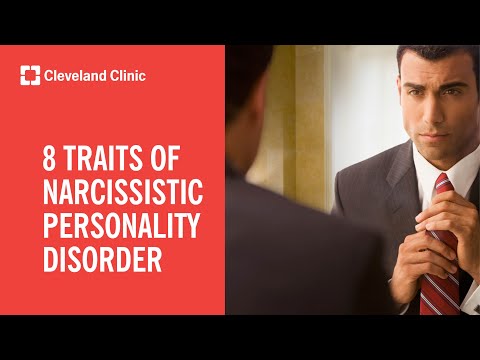
So, let’s talk about narcissism. You know, that thing where someone thinks they’re the best thing since sliced bread? Yeah, it goes beyond just being a little full of themselves.
Narcissistic Personality Disorder (NPD) is like a whole other level. It can mess with relationships and create a whirlwind of emotional chaos. Seriously, it’s not just annoying; it can be pretty damaging!
You might have come across someone who fits this description or found yourself in a confusing situation with them. It leaves you feeling drained and frustrated, right? Let’s dive into recognizing those symptoms so you can spot NPD when it shows up in your life!
Identifying Narcissistic Personality Disorder: Key Signs and Symptoms to Recognize
Narcissistic Personality Disorder (NPD) can be tricky to recognize, especially since not everyone with narcissistic traits has the full-blown disorder. But don’t worry; let’s break this down.
First off, folks with NPD often have an inflated sense of their own importance. They think they’re special, and they want everyone to know it. You might hear them telling you about their achievements a lot or dropping names of important people they know. It’s like they need constant validation just to feel good about themselves.
Another big sign is a lack of empathy. Seriously, it can feel like talking to a wall sometimes. They might struggle to understand or care about your feelings, which makes relationships pretty one-sided. You could share something that’s bothering you, and instead of showing concern, they might shift the conversation back to themselves.
Here are some key traits to keep an eye out for:
- Exaggerated sense of self-importance: They’ll often brag or embellish their achievements.
- Preoccupation with fantasies: Think grandiose ideas about success, power, or beauty.
- Believing they are special: They often think only other special people can understand them.
- Need for excessive admiration: If you’re not telling them how great they are, watch out!
- Sense of entitlement: They expect favorable treatment without even understanding why.
- Lack of empathy: As mentioned earlier—feeling for others isn’t really their strong suit.
- Often envious: They may think others are jealous of them while being envious themselves.
- Pretentious behavior: They tend to act superior and can be dismissive or condescending.
So what does this look like in real life? Imagine hanging out with someone who always needs the spotlight. Let’s say your friend just got a new promotion—they’d immediately start talking about their own work achievements instead of congratulating you.
Additionally, if you ever disagree with someone who has NPD, brace yourself! They might react extremely defensively or even attack back. This kind of reaction usually stems from feeling threatened since their self-esteem is fragile beneath that confident exterior.
Now, here’s where it gets tricky: we all have narcissistic traits sometimes. It’s normal! But if these patterns are severe enough to impact relationships and daily life consistently over time? That could be NPD knocking at the door.
If you’re wondering whether someone in your life fits this description—or maybe you’re worried that *you* exhibit some of these traits—getting some perspective from a therapist might help clarify things without judgment.
In short, recognizing Narcissistic Personality Disorder isn’t about labeling someone but understanding how certain behaviors can impact relationships and emotional wellbeing. And hey, navigating these waters is challenging—it takes patience and sometimes professional help to deal with it all!
Understanding the 9 Criteria for Narcissistic Personality Disorder: A Comprehensive Guide
Narcissistic Personality Disorder (NPD) can feel a bit like a riddle wrapped in an enigma. You know, it’s complex and sometimes confusing. So let’s break down those 9 criteria for NPD, which come from the Diagnostic and Statistical Manual of Mental Disorders, or DSM-5. If you’re trying to recognize symptoms or just get a clearer picture, this will help.
First off, what defines someone with NPD? People with this disorder often exhibit an exaggerated sense of self-importance. It might look like they think they’re better than everyone else. They may also have a strong need for admiration that can be pretty overwhelming.
Here’s what the criteria entail:
- Grandiosity: A person feels an unrealistic sense of superiority and constantly needs recognition.
- Preoccupation with success: Your typical narcissist often has daydreams about limitless success or power.
- Believing they are special: They truly feel unique and expect others to treat them as such.
- Excessive need for admiration: This is where they seek constant validation from others—like a bottomless pit!
- Sense of entitlement: They believe that they deserve special treatment or should get their way all the time.
- Lack of empathy: They find it hard to recognize other people’s feelings or needs—you could say they’re emotionally tone-deaf.
- Envious of others: A classic trait; they may begrudge others’ successes or believe others are envious of them.
- Bristling at criticism: Constructive feedback? Nah, that’s often met with anger or defensiveness.
- Taking advantage of others: This person might exploit relationships to achieve their own ends—sorta manipulative, right?
So let’s talk more about **grandiosity**. Picture someone who walks into a room and expects everyone to stop and stare because they think they’re “the best.” It’s not just confidence; it’s an inflated ego that pushes reality aside.
Then there’s the **lack of empathy** thing. You could be sharing something deeply personal—a tough day maybe—and instead of connecting, the narcissist shifts the conversation back to themselves. Like you didn’t even matter! That can really sting.
You know how some folks get defensive if you point out something they’ve done wrong? Well, someone with NPD might just blow up like it’s the end of the world if their actions are critiqued. That feeling is real! They’re so wrapped up in maintaining their perfect image that even small comments can lead to huge reactions.
Now here’s something important: having some narcissistic traits doesn’t mean someone has NPD. It’s more about how pervasive these traits are in their life and how much distress they cause—not just for themselves but also for everyone around them.
And while grappling with these characteristics can be exhausting for people close to someone with NPD—think family or friends—it doesn’t mean that treatment isn’t possible. Therapy can help folks develop insight into their behaviors and work on creating healthier ways to relate.
In short, understanding NPD helps demystify how these individuals think and act. If you spot these nine criteria in someone around you—or if you’re feeling this way yourself—it could be helpful to talk about it with a professional who gets mental health stuff well!
12 Key Traits That Reveal a Narcissist: Understanding Their Behavior
Narcissism really gets a bad rap sometimes, but it’s worth taking a closer look at what makes someone a narcissist. Understanding the traits can help you spot those behaviors in others—or even in yourself if you’re being honest. Let’s get into it.
Narcissists crave attention. They thrive on being the center of attention. If they’re not, you might see them act out or draw attention to themselves, even when it’s inappropriate. For example, have you ever been at a party and noticed someone who always seems to interrupt conversations just to keep the focus on them? Yeah, that’s classic narcissist behavior.
They lack empathy. Seriously. One of the biggest signs is their inability to understand or care about other people’s feelings. You could tell them about your tough day, and instead of offering sympathy, they’ll steer the conversation back to themselves like it’s their therapy session.
They exaggerate achievements. Oh boy, this one’s a biggie! Narcissists often boast about their accomplishments. They might say they “single-handedly saved” their company during a crisis when in reality, it was a team effort. It’s like they need to constantly prove their worth to feel validated.
Entitlement runs deep. Narcissists believe they deserve special treatment. Picture this: Ever see someone throw a fit because their meal took too long at a restaurant? That sense of entitlement can be off-putting!
They play the victim. When things don’t go their way, narcissists are quick to shift blame onto others. You could be having an argument, and suddenly it’s all your fault for not understanding how “hard” they have it! Talk about deflection.
They’re highly critical. It’s not just others; they also criticize themselves—just with different motives. A narcissist may point out flaws in others but can’t handle any criticism of their own choices or actions because that would shatter their inflated self-image.
They ride high on fantasy. Narcissists often have unrealistic beliefs about how wonderful and special they are. They might dream big—like being famous or incredibly successful—but it rarely matches reality. Watching them struggle with these fantasies can be pretty heartbreaking sometimes.
Lack of real emotional connections. Building deep relationships isn’t easy for narcissists since they often see people as extensions of themselves rather than as individuals with feelings and dreams of their own.
The love bombing phase is intense! When trying to win someone over, narcissists may shower them with extreme affection and compliments initially—almost too much too soon! But as soon as they’ve hooked you in… well that affection tends to fade fast once they’ve secured your admiration.
You’ll notice manipulation tactics. From guilt trips to gaslighting—narcissists are pros at manipulating situations for personal gain without considering who gets hurt along the way.
Lack of accountability is common. If things go south, don’t expect any apologies or acceptance of responsibility from them. They’ll come up with some reason why it’s totally not their fault—you know?
In short, spotting these traits can really help you navigate relationships better—not just romantic ones but friendships and family ties too! It might feel overwhelming when dealing with someone who shows these characteristics but remember: acknowledging what you’re dealing with is half the battle!
Narcissistic Personality Disorder (NPD) can feel like this shadow lurking around, you know? You might not even realize it’s there until it’s causing you some real emotional turmoil. So, let’s chat about what those symptoms can look like and how you might start to recognize them.
Imagine you’re friends with someone who always seems to steer conversations back to themselves. You’re sharing your struggles, and suddenly, they’re telling you about their latest accomplishments. It starts feeling less like a friendship and more like a performance—one where they need all the applause. That’s one classic hallmark.
Then there’s that inflated sense of self-importance. It’s as if they walk around on this pedestal, expecting people to acknowledge their superiority constantly. Maybe they brag about things that feel pretty ordinary or expect special treatment in situations where others don’t, right? It can be exhausting just to be around that energy.
And the empathy—or lack thereof—is another big red flag. Picture trying to confide in this person about something heavy on your heart. Instead of compassion and understanding, you get a dismissive wave or worse—maybe they turn it into an opportunity to showcase their own victimhood! That lack of empathy can be seriously draining.
But here’s the kicker: Narcissism often hides behind that bravado with deep-rooted insecurities and fear of rejection. So while the outside glows with confidence, underneath can lie fragility. You might even notice them getting defensive over the slightest criticism, almost like it’s a point of pride or something.
It’s tricky because not every egocentric behavior means someone has NPD; we all have our moments when we could use a little more self-awareness. However, if these traits are patterns in your relationship—it might just be worth thinking about how you’re feeling around them.
Once I had a friend who seemed charming at first—always making jokes and keeping things fun—but as I got closer, I saw how controlling he was in conversations and relationships overall. At first, I laughed it off, but after some time? Not so much. The way he would belittle others without flinching left me feeling pretty small too.
Recognizing these symptoms isn’t easy—that’s for sure! But becoming aware is the first step toward taking care of yourself if you find yourself entangled with someone exhibiting these traits. Your wellbeing matters more than playing nice with someone who’s lost sight of what true connection feels like!