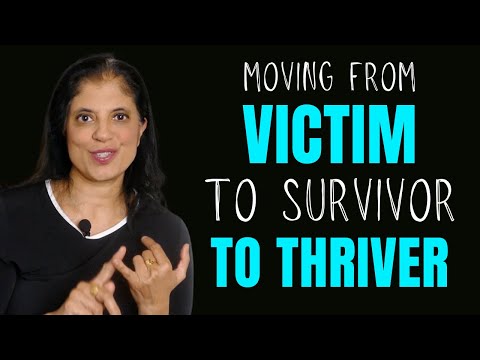
You know, healing from narcissistic abuse can feel like climbing a mountain. It’s tough, and honestly, it can be really overwhelming. I mean, you might be thinking, “How do I even start?”
First off, you’re not alone. So many people have been there too. And let me tell you: it’s not just about getting over it. It’s about understanding what happened and finding your way back to yourself.
It’s frustrating when someone makes you doubt your own reality. But here’s the thing: recovery is totally possible! You can reclaim your power and start to heal.
Let’s talk about what that journey looks like—because it can feel like a maze sometimes. It might be messy, but trust me; every step forward counts. Ready to dig in?
Rebuilding Self-Esteem: A Guide to Overcoming the Effects of Narcissistic Abuse
Rebuilding self-esteem after experiencing narcissistic abuse can feel like a colossal mountain to climb. If you’ve been through this, it’s totally understandable to feel lost, confused, or just plain down on yourself. The effects of narcissistic abuse can linger far longer than we’d like. This isn’t just something you shake off overnight. It takes time and effort, but it’s absolutely possible.
First off, it’s crucial to recognize what narcissistic abuse looks like. It can include manipulation, gaslighting, belittling comments, and emotional neglect. The thing is, when someone treats you that way for an extended period, your self-worth takes a serious hit. You might start doubting yourself constantly or feeling unworthy of basic kindness.
Start with Self-Compassion. Seriously, be nice to yourself! It’s easy to fall into the trap of negative self-talk—like saying you’re not good enough or that you deserved the mistreatment. Stop right there! Try flipping the script and treating yourself like you would treat a friend who’s hurting. Talk to yourself gently; remind yourself that it wasn’t your fault.
Next up is setting boundaries. You gotta learn to say no and stand up for yourself—even if it feels weird at first. Boundaries are not just about keeping others out; they’re also about keeping your heart safe and saying “hey, I matter.” Start small if you need to—like deciding not to engage in conversations with people who drain your energy.
Another important part of rebuilding is creating a support network. Surrounding yourself with people who lift you up can make a world of difference. Maybe reconnect with friends or family who believe in you and remind you of your worth. Sometimes just being around those positive vibes helps pull you out of the fog.
Journaling is super helpful, too! Writing down your thoughts lets emotions flow freely without judgment. You can track how you’re feeling day-to-day and see patterns emerge over time. And when those tough days kick in (because they will), reading back on how far you’ve come can provide some much-needed reassurance.
Don’t forget about professional help. Therapy can be an amazing resource if you’re feeling stuck or overwhelmed by emotions from past experiences. A therapist trained in trauma or narcissistic abuse will help provide tools tailored just for you so that healing doesn’t have to be done alone.
On top of that, practicing mindfulness or meditation could bring some peace into your chaotic mindspace. Simple techniques like focusing on your breath or using guided meditations help center your thoughts and reduce anxiety—seriously calming stuff!
Finally, celebrate every tiny victory along the way! Whether it’s saying no when you’d usually say yes or learning something new about yourself—you deserve some hype! Every step counts in this journey.
Rebuilding self-esteem after narcissistic abuse isn’t easy but remember: you’re resilient and capable of transforming your life into one filled with joy and respect for yourself again! So take it one day at a time; you’ve got this!
Empowering Recovery: A Comprehensive Guide to Healing from Narcissistic Abuse
Recovering from narcissistic abuse can feel like navigating through a stormy sea. Seriously, it’s rough. But you can find your way to calmer waters. It takes time and effort, but it’s totally possible. Let’s break down what that journey often looks like.
First off, it’s important to recognize what narcissistic abuse is. Basically, it’s when someone uses manipulation, lies, and emotional tactics to control or belittle you. You might have felt confused, alone, or like nothing you did was ever right. Remember feeling drained after every interaction? Yeah, that’s a big red flag.
Understanding the effects of narcissistic abuse is key to healing. It can mess with your self-esteem and identity. A lot of people feel anxious or depressed afterward. Some even deal with PTSD-like symptoms because of all the emotional turmoil.
So how do you start the healing process? Here are some steps that many find helpful:
- Recognize your experience: Validate what happened to you. It wasn’t just in your head! Understanding that you’re not alone can be powerful.
- Set boundaries: This one’s crucial! Learn to say no and protect your space from toxic influences.
- Seek professional help: Therapists who specialize in trauma or abuse recovery can be golden for guiding your journey.
- Build a support network: Surround yourself with real friends or support groups who understand what you’ve been through.
Take Emily’s story for example: she spent years in a relationship with a person who constantly belittled her dreams and manipulated her feelings. After they broke up, she struggled with feelings of worthlessness. But with therapy and sticking close to her friends, Emily started reclaiming her independence and confidence bit by bit.
Another important aspect is self-care. It’s more than just bubble baths or treating yourself now and then—though those definitely help! Think about nourishing your body and mind regularly through activities like journaling or even just getting outdoors for fresh air.
Mindfulness practices can also play a huge role in recovery. Meditation helps clear the mental fog left behind by anxiety and helps you reconnect with yourself. Even just taking a few deep breaths when emotions run high can ground you.
Remember that healing isn’t linear, so it’s okay if some days feel tougher than others—you’re not failing; you’re human! Celebrate small victories along the way too; maybe one day you stand up for yourself more assertively than before—hold onto that feeling!
Lastly, be patient with yourself as you work through these emotions. Recovery from narcissistic abuse isn’t just about getting over something; it’s about rebuilding who you are at the core—stronger than ever before.
In sum, empowering recovery from narcissistic abuse is all about recognizing what happened, setting boundaries, seeking support, practicing self-care and mindfulness—and importantly: being kind to yourself throughout this process!
Free Guide to Healing from Narcissistic Abuse: Your Path to Recovery
Narcissistic abuse can leave deep emotional scars. If you’ve experienced it, you’re not alone, and healing is totally possible. This journey isn’t easy, but understanding the steps can make a world of difference. So, let’s break this down into manageable pieces.
First, it’s crucial to recognize what narcissistic abuse looks like. This form of abuse often involves manipulation, gaslighting, and emotional control. You might find yourself questioning your reality or feeling constant self-doubt. It’s exhausting, right? That’s part of the cycle.
Now, stepping into recovery starts with acknowledgment. Accept that what you went through wasn’t normal or okay. It sounds simple but validating your feelings is a powerful first step. You deserve to feel safe and respected in relationships.
Next up is setting boundaries. In the aftermath of narcissistic abuse, it can be hard to know where you end and others begin. Boundaries are essential for protecting your well-being. Start small—maybe limit contact with the abuser or express what behaviors you won’t tolerate moving forward.
Then there’s finding support. Surround yourself with people who get it—friends, family, or support groups who understand what you’re dealing with. Sharing your story lightens that heavy load on your heart and helps in processing emotions.
Another important piece is self-care. This isn’t just bubble baths and candles; it’s about nurturing yourself mentally and physically. Maybe start journaling your feelings or dive into hobbies that bring you joy—anything that reconnects you with yourself.
Therapy can be a game changer too! A professional can provide guidance tailored to your experience. They can help unpack trauma and build healthier coping mechanisms—and yes, it’s totally okay to seek help!
Lastly, remember healing isn’t linear. It has ups and downs; some days will feel better than others, but that’s part of the process. Celebrate small victories because they add up! Recognizing your progress can boost motivation.
In summary:
- Acknowledge the abuse.
- Set boundaries to protect yourself.
- Find supportive people.
- Nurture yourself through self-care.
- Consider therapy.
- Celebrate progress!
Healing from narcissistic abuse may take time—but with patience and effort, it leads to real recovery. Stay strong; you’re on a path toward rebuilding yourself!
Healing from narcissistic abuse is a journey. It feels like stepping out of a fog into the sunshine, but man, it can be tough getting there. You probably know that feeling when you’ve been trapped in a cycle of manipulation and gaslighting. It’s exhausting. Your self-worth takes a serious beating, and you start questioning your reality.
I remember talking to a friend who had gone through something similar. She’d been in a relationship where everything felt like it revolved around her partner’s needs, leaving her feeling empty and confused. One day, after what felt like another round of emotional rollercoastering, she just broke down, saying she didn’t recognize herself anymore. That moment hit home for her; it was the start of her healing.
So yeah, recovery isn’t linear. You might have good days when you feel strong and powerful, ready to take on the world. But then there are those other days where that inner critic comes back with a vengeance, telling you all those awful things that were said during the relationship. It’s annoying!
What helps is breaking the silence around those experiences. Talking about them with trusted friends or in therapy creates space for healing. It’s crucial to rediscover who you are outside the shadows of someone else’s ego and entitlement. Setting boundaries becomes essential too—like learning to say no without feeling guilty or anxious about it later.
And let’s not forget self-care! Seriously, pamper yourself however you can—whether it’s taking long walks in nature or binge-watching your favorite shows guilt-free. Little things matter because they help build back your confidence brick by brick.
It’s also about surrounding yourself with people who uplift you instead of dragging you down further into that rabbit hole of self-doubt and despair. Find your tribe—even if it’s just one or two close friends who really get what you’ve gone through.
Healing from narcissistic abuse takes time and patience with yourself—it’s not something that happens overnight or even within months sometimes! Remembering that it’s okay to feel angry or hurt is part of the process too—all valid emotions on this path back to yourself.
So as you work through this stuff—keep going at your own pace! Every step forward counts even if it feels small at first because trust me; you’re capable of so much more than what you’ve been led to believe!