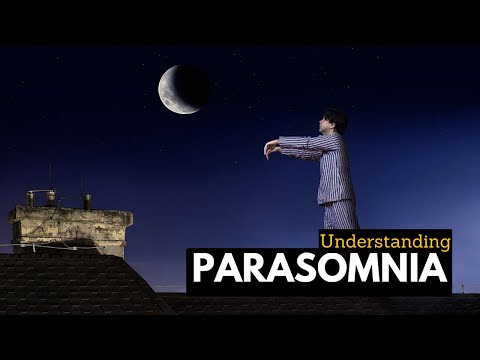
Ever wake up in a panic, like you just saw a ghost? Yeah, it’s kind of freaky. But what if I told you that’s not as rare as you might think?
Enter NREM sleep arousal disorder. It sounds complicated, but it’s basically when your brain gets all jumbled during sleep. You can end up sleepwalking, talking nonsense, or just feeling really out of it.
Picture this: you’re in bed, and suddenly, you’re out and about—maybe even trying to make breakfast! It can feel super confusing for both you and anyone who witnesses it.
So let’s dig into what this is all about and how it affects your life. You with me? Let’s go!
Effective Treatments for Sleep Arousal Disorder: A Comprehensive Guide
Sleep Arousal Disorder can be a real bummer for you. It’s this group of disorders happening during NREM sleep, which is that deep rest you need but sometimes just doesn’t happen right. People often wake up feeling disoriented or confused, and it can be super frustrating, as you can imagine.
So, let’s break down some effective treatments to help manage this disorder.
Cognitive Behavioral Therapy (CBT) is one of the most common approaches. It helps you identify and change negative thought patterns around sleep. You know how sometimes your mind races at night? CBT works on that—kind of like a mental decluttering! You’re learning to challenge those pesky thoughts that keep you awake or make you anxious about getting enough sleep.
Sleep Hygiene Practices are also crucial. This means making your sleep environment comfy and consistent. Ever heard of setting a bedtime routine? That’s one of the best ways to signal to your body that it’s time to wind down. Try things like keeping your room dark, quiet, and cool—seriously, nobody sleeps well in a sauna, right?
Another effective method is medication, though it should always be taken under professional guidance. Sometimes doctors prescribe medications like benzodiazepines or melatonin supplements to help get your sleep cycle back on track if things are really out of whack.
You might also come across relaxation techniques. Things like deep breathing exercises or progressive muscle relaxation can help reduce anxiety before bed. Picture yourself lying there, slowly tensing and relaxing each muscle group—it’s kinda like meditation meets yoga-ing in bed!
Sometimes people benefit from paradoxical intention. It’s this wild idea where instead of trying hard to fall asleep—which honestly just makes it worse—you try to stay awake! Sounds counterintuitive, huh? But hey, less pressure usually leads to some solid Z’s.
Lastly, working with a sleep specialist can’t hurt if you’re feeling overwhelmed. They use tools like polysomnography (fancy term for a sleep study) to figure out what’s actually going on when you’re snoozing away.
Finding effective treatments for Sleep Arousal Disorder might take some time and trial-and-error—it isn’t always easy! But being proactive and open about what works best for you is key.
In short:
- Cognitive Behavioral Therapy (CBT)
- Sleep Hygiene Practices
- Medication
- Relaxation Techniques
- Paradoxical Intention
- Consulting with a Sleep Specialist
Getting your sleep sorted out can make a world of difference in how you feel during the day. So don’t shy away from exploring these options!
Effective Treatments for Non-Rapid Eye Movement Sleep Arousal Disorder: A Comprehensive Guide
Navigating NREM Sleep Arousal Disorder and Its Effects
So, you’re curious about Non-Rapid Eye Movement (NREM) Sleep Arousal Disorder. It’s one of those sleep disorders that can seriously mess with both your nights and your days. You know how sometimes you wake up feeling like you’ve been through a whirlwind? Well, that’s kind of what NREM sleep arousal is all about.
NREM Sleep Arousal Disorder usually involves episodes where someone wakes up during the night, often in a state of confusion or panic. This might look like sleepwalking or night terrors. But here’s the kicker: the person usually doesn’t remember it later. Crazy, right?
You might be wondering what causes this funky disorder. Well, a mix of genetics, stress levels, and other sleep disorders can play a role. It’s like your brain just gets its wires crossed during those deeper stages of sleep.
When it comes to treatment, there are several effective options out there to consider:
- Improving Sleep Hygiene: This is all about creating a comfy environment for snoozing. Think dark rooms, cool temps, and avoiding screens before bed.
- Cognitive Behavioral Therapy (CBT): It’s not just for anxiety or depression! CBT can help address any underlying fears or triggers that might be causing these arousal episodes.
- Medications: In some cases, doctors might prescribe certain medications to help regulate sleep patterns. This could be things like benzodiazepines or antidepressants designed specifically for sleep issues.
- Relaxation Techniques: Practices like meditation, deep breathing exercises, or yoga before bedtime can ease anxiety levels and promote better quality sleep.
- Avoiding Triggers: If certain stressors or activities lead to more frequent episodes—like heavy meals late at night—cutting those out can help!
On top of that, if you’re sharing your space with someone who experiences this disorder, understanding their situation makes a huge difference. Just think about how scary it’d be to wake up panicked! Having support from family members can really smooth things over.
Sometimes it helps to talk directly with someone who gets it—therapists specializing in sleep disorders can offer personalized strategies tailored just for you.
I’ve seen folks who tried these treatments find a real turnaround in their lives—not waking up feeling like they wrestled with an octopus! With the right approach, navigating through NREM Sleep Arousal Disorder becomes much easier.
In short? Don’t hesitate to reach out for help if this sounds familiar. The journey toward restful nights doesn’t have to feel impossible!
Understanding Non-Rapid Eye Movement Sleep Arousal Disorder: Key Symptoms and Insights
Non-Rapid Eye Movement (NREM) Sleep Arousal Disorder is one of those sleep problems that can really throw a wrench in your life. It’s not super common, but when it happens, it can be pretty intense. Basically, this disorder occurs during the deep stages of sleep, which are crucial for feeling rested and refreshed.
Key symptoms usually involve some sort of unusual behavior during the first few hours of sleep. This can include things like sleepwalking or night terrors. Imagine waking up in a panic, but you don’t even remember how you got there! People often feel extremely confused and disoriented afterward. It’s bizarre and kind of scary, honestly.
- Sleepwalking: You might find someone wandering around the house or even outside while they’re still asleep! They typically have no memory of what happened.
- Night terrors: This is where someone wakes up screaming or in a state of extreme fear. They’re usually not fully awake and often won’t remember the terror once they wake up fully.
- Autonomic responses: During these episodes, heart rates can increase, breathing may become rapid, or sweating may occur. It’s like your body thinks you’re in danger!
So let me share an anecdote to put this into perspective. I once knew a guy who would frequently wake up screaming at the top of his lungs because he thought someone was chasing him—except he was just dreaming! Friends said it was terrifying for them to witness because he seemed so frantic. But when he’d come to his senses a few moments later, he had no clue what had just happened.
The thing is, NREM Sleep Arousal Disorder usually affects children more than adults, but it can happen to anyone, really. Stress and sleep deprivation are big triggers for this disorder—like when you’re juggling too much at work or going through a tough time emotionally.
One thing that can make it tricky is how little people often talk about these experiences. If you don’t know anyone else who’s experienced something similar, it can feel isolating and strange. It’s great to be aware that you’re not alone in this; many people face these issues.
If you’re worried about how this could be impacting your life—or someone else’s—it’s worth chatting with a professional who specializes in sleep disorders or mental health. They might recommend things like improving sleep hygiene or exploring relaxation techniques before bed.
Overall, understanding NREM Sleep Arousal Disorder is key to navigating its effects on your life or someone else’s. Recognizing symptoms early can help in managing them better and promote healthier sleep patterns moving forward!
So, let’s talk about NREM Sleep Arousal Disorder. It’s one of those things that can totally throw a wrench in your sleep routine. You know how sometimes you wake up disoriented in the middle of the night? Imagine that happening, but you’re still asleep! Yeah, it’s kinda weird and a bit scary.
Picture this: You’ve just had a long day. You climb into bed, feeling cozy and ready to drift off. But then, for some people with this disorder, they might suddenly sit up in bed, looking wide-eyed and confused. They could even be talking or moving around without really knowing what they’re doing. It can be quite alarming for anyone who witnesses it!
The thing is, sleep is supposed to be this peaceful sanctuary where we recharge and reset. But when someone has NREM Sleep Arousal Disorder, they’re stuck in this strange place between being awake and asleep. It’s part of non-rapid eye movement (NREM) sleep—a time when your body should be relaxing hard. Instead, someone could be thrashing under their blankets or even getting up and wandering around the house like a sleepwalking zombie.
For some folks experiencing this, the aftermath isn’t pretty either. They often wake up feeling confused or anxious because they don’t remember anything at all from their little nighttime escapades. This can lead to serious fatigue during the day—like dragging through life in a fog because your body just didn’t get the good rest it needed.
What’s more, it can impact relationships too! Imagine if your partner had one of these episodes and you were the unwitting audience to it—I mean, yikes! That would probably freak you out a bit! Not to mention how concerned you’d feel for them.
So what do people do? Awareness is key here; knowing that there’s a name for these bizarre nighttime behaviors can bring some comfort. And then there are ways to manage it—like creating a calming bedtime routine or even working with healthcare professionals who get all this stuff.
Navigating what feels like an endless cycle of confusion during sleep isn’t easy for anyone involved. Those little moments in the night don’t just disrupt sleep—they ripple out into everyday life too. It’s like trying to steer your ship through choppy waters while half asleep!
Ultimately, understanding NREM Sleep Arousal Disorder means acknowledging that our sleep patterns can really get messy sometimes—and that’s okay! Just like any other part of health, awareness helps pave the way toward solutions that make life feel right again.