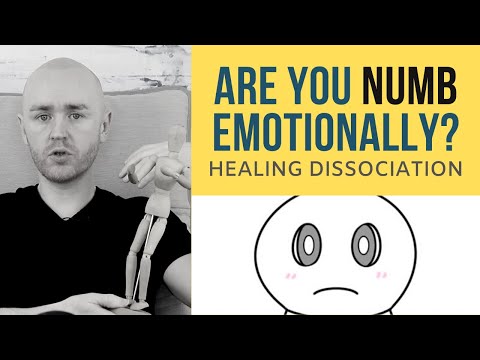
Hey, you know how sometimes life hits you so hard that you just feel… nothing? Like, your feelings are wrapped in bubble wrap or something? Yeah, that’s emotional numbness. It’s a weird place to be, especially after trauma.
Imagine going through something really tough and then feeling like you’re watching your life from the sidelines. You can see everything happening but can’t really feel it. Frustrating, right?
It’s like being stuck in a fog, where joy and sadness both seem distant. But here’s the thing: you’re not alone in this. Lots of people get caught up in numbness after dealing with rough stuff.
So let’s chat about it—what it means to heal from that numbness and maybe how to start feeling again. Trust me, it’s possible!
Understanding Emotional Numbness After Trauma: Causes, Symptoms, and Healing Strategies
Emotional numbness can feel like you’re walking through life in a fog, right? Like, everything around you is happening, but you’re just… not there. This can especially hit hard after a traumatic experience. It’s your mind’s way of coping with pain—sort of like putting on a thick jacket in the winter to keep warm. But let’s break it down.
What Causes Emotional Numbness?
After trauma, your brain might default to emotional numbness as a defense mechanism. It’s like your brain says, “Whoa, that hurt too much. Let’s shut this down for a bit!” Here’re some reasons why this happens:
- Survival Mode: Your body goes into fight or flight mode. Numbness helps you avoid feelings that are too overwhelming.
- Fear of Pain: If you’ve faced something really scary or painful, your brain might think it’s safer just to feel nothing at all.
- Memory Blocking: Trauma often makes memories hard to access. Numbness can mean those memories are tucked away deep down.
So yeah, it’s like putting up walls around your heart. Sometimes those walls stay up longer than we’d like.
Symptoms of Emotional Numbness
Recognizing emotional numbness isn’t always easy, but here are some clues:
- You may feel disconnected from others—like they’re just characters in a movie.
- Lack of interest in activities you once loved—maybe you used to enjoy painting or hanging out with friends.
- You might struggle with expressing emotions; even laughing feels forced or out of reach.
Imagine wanting to cry at an emotional movie but feeling nothing at all instead—it can be disheartening.
Healing Strategies
Now for the good part—healing is possible! You don’t have to stay stuck in that numb space forever. Here are some ways to work through it:
- Talk It Out: Find someone to share your feelings with—a friend, family member, or therapist can help you process what happened.
- Express Yourself: Get creative! Write in a journal, paint or play music. Finding outlets for those bottled-up emotions can be liberating.
- Avoid Isolation: Even if you don’t feel social right now, try reaching out to others. Connection often sparks feelings back to life.
It’s kind of like when your phone freezes and needs a restart—you gotta reset things sometimes!
Feeling emotionally numb after trauma is tough and it takes time to heal; healing looks different for everyone. Remember that it’s okay not to be okay right away—be gentle with yourself through this process. Over time, emotions will start flowing again; the fog will lift and warmth will return little by little. You got this!
So, you know how life can throw some pretty heavy stuff your way? Trauma can hit hard, and sometimes, it leaves you feeling like you’re walking around in a fog. That’s emotional numbness for ya. It’s like your brain decides to hit the “mute” button on all those feelings. So weird, right?
I remember a friend of mine, Sarah. After a tough breakup that just knocked the wind out of her sails, she felt nothing. Seriously. She’d scroll through social media and see everyone else being happy or sad or whatever, but for her? Just blank. No joy, no sorrow. It was unsettling to watch—she was like a ghost of her former self.
Healing from that numbness isn’t about snapping your fingers and making it go away—nope! It’s more like unwrapping layers of protection you put up so you don’t feel hurt anymore. But what people often forget is that those layers block everything—including the good stuff.
First off, it helps to acknowledge that numbness as a response to trauma is completely normal. You know? Your brain likes to protect you from feeling overwhelmed by shutting down some emotions completely. But eventually, clinging onto that can feel super isolating.
Finding ways to reconnect with emotions takes time and patience. For Sarah, it started with little things—like listening to music she used to love or watching movies that made her laugh back in the day. Slowly but surely, those emotions began trickling back in.
Talking about feelings with someone else really helped too! Whether it’s a therapist or friends who get what you’re going through—having someone listen without judgment? Like, major game-changer! Sometimes just saying out loud how numb or lost you feel makes it seem more real—and helps peel away that protective layer.
Honestly? Sometimes it’s okay to feel uncomfortable while you’re healing; it’s part of the process! Allow yourself moments of vulnerability instead of pushing them away. Because getting back in touch with those feelings—even the messy ones—is where real healing starts.
Remembering for Sarah and many others: healing isn’t linear; there are ups and downs along the way. Just take it one small step at a time—and soon enough, those tiny sparks of emotion will light up again!