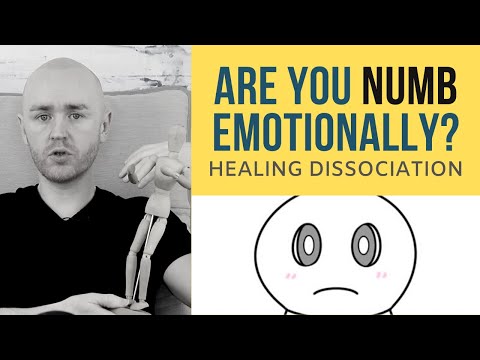
You know that feeling when everything just feels… flat? Like you’re there, but not really? That’s emotional numbness.
It sneaks in like a thief. You might not even notice it at first. It can be tough, especially when you’re used to feeling all the highs and lows of life.
Imagine waking up one day and realizing you can’t remember the last time you felt excited or sad. It’s unsettling, right? You don’t have to put on a brave face anymore; this is about keeping it real.
Emotional numbness is more common than you might think. It often hides behind other struggles, making it hard to connect with what’s going on inside you.
Let’s talk about this silent struggle—because seriously, no one should feel alone in this journey!
Understanding Emotional Numbness: Why You Feel Numb and How to Reconnect with Your Emotions
Emotional numbness can feel like you’re going through life with a haze over your feelings. Like when you’re watching a movie but forgot to turn the sound on—everything looks fine, but you just can’t connect to it, you know? It’s a real struggle for many people, often popping up after tough experiences or long-term stress.
You might find that your emotions are muted, or maybe they vanish altogether. Feeling anything seems like an uphill battle, and that’s no walk in the park. Here’s the thing, though: emotional numbness isn’t just an «off» switch; it’s usually a coping mechanism your mind uses to protect you from pain or overwhelming feelings.
What Causes Emotional Numbness? There are several reasons you might be experiencing this.
- Trauma: If you’ve gone through a traumatic event—like loss, abuse, or a significant life change—your brain might decide to shield itself by turning off emotions.
- Depression: This can often lead to feeling flat or disconnected from things that used to bring joy.
- Anxiety: High levels of anxiety can cause your mind to go into overdrive and inadvertently shut down emotional responses.
- Coping Mechanism: Sometimes it’s just easier not to feel anything at all in stressful situations.
Maybe think back to a time when everything felt heavy and overwhelming—you tried pushing through but ended up feeling like a robot instead of yourself. That emotional detachment can be frustrating and lonely.
So how do you reconnect with those feelings? It starts with baby steps.
Reconnecting with Your Emotions
- Acknowledge Your Feelings: The first step is just being honest with yourself about how numb you’ve been feeling. It’s totally okay to admit something isn’t right.
- Create Space for Emotions: Try journaling or talking it out with someone you trust. This could help get those bottled-up feelings flowing again.
- Meditation and Mindfulness: These practices encourage being present and help in tuning into what you’re really feeling.
- Seek Professional Help: Therapists can provide support tailored to what you’re going through, guiding you back toward those emotions safely.
It might feel daunting at first—like trying to remember how to ride a bike after years without practice—but trust me, it’s completely possible! You may not wake up tomorrow bursting with joy, but little by little, you’ll start noticing more colors in your world again.
Your Journey Matters
Emotional numbness isn’t forever unless we let it be. Like my friend Sarah who went through a rough breakup; she thought she was broken because she couldn’t cry anymore. But by slowly allowing herself to feel and opening up about her experience in therapy, she began rediscovering her laughter—even if it came out shaky at first.
Every step counts on this journey back towards emotion; there’s no rush. So take your time, be kind to yourself, and remember: feeling is part of being human! You’re not alone in this silent struggle—there’s light ahead if you’re willing to seek it out.
Understanding the Connection Between PTSD and Emotional Numbness: Causes and Effects
Sure! Let’s talk about the connection between PTSD and emotional numbness. It can be a tough topic, but it’s super important to understand.
PTSD, which stands for Post-Traumatic Stress Disorder, often sneaks in after someone has experienced a really traumatic event. Think of it as your brain’s way of trying to protect you from memories that are just too painful to deal with. So what happens next? Well, one common response is emotional numbness.
Basically, emotional numbness is like putting up a wall between you and your feelings. It’s not that you suddenly don’t have emotions; it’s more like your brain turns down the volume on everything. You might feel less connected to people, or even struggle to experience joy or sadness. Quite the mixed bag, huh?
Now let me break down some causes and effects of this connection:
- Survival Mechanism: When faced with trauma, your mind may go into survival mode. Here’s the deal: by numbing emotions, you’re less likely to feel overwhelmed by pain.
- Flashbacks: For many with PTSD, flashbacks trigger intense distress. Numbing can serve as a shield against the emotional chaos that follows.
- Avoidance: People often try to avoid reminders of their trauma. This avoidance might lead them straight into numbness as they push away all feelings related to those experiences.
- Disconnection: You might find yourself feeling distant from yourself and others. That sense of isolation can be really tough – almost like being on an island with no bridges back.
To make it real for you: imagine someone who went through a car accident that left them shaken. They might manage daily life but feel like they’re watching everything from behind glass—unable to fully engage or relate to friends or family.
The effects of this emotional numbness aren’t just personal; they ripple outwards. Relationships can suffer because you’re not able to connect in the same way. Friends and family might notice you’re not quite yourself anymore but struggle to know how to help.
But here’s something important—numbing isn’t forever! With therapy or other support systems, it’s possible to start breaking down those walls again and reconnecting with feelings in a healthier way.
Understanding this connection between PTSD and emotional numbness helps paint a clearer picture of what so many people are facing silently every day. It’s okay not to be okay—you’re not alone in this journey!
Understanding Numbness: Mental Disorders That Can Cause Sensory Loss
Numbness isn’t just about losing feeling in your limbs; it can happen to your emotions too. Many people experience this kind of emotional numbness, often without realizing what’s causing it. This can be linked to various mental health issues, and let me tell you, it can feel like a silent struggle.
So, basically, what is emotional numbness? Well, it’s that flat feeling when everything seems gray and lifeless. You might find yourself going through the motions of daily life but not really *feeling* anything. Imagine being at a party where everyone’s laughing and dancing, but you’re just standing there, completely disconnected from the joy around you.
There are some mental health disorders that can bring on this numbness. Here are a few:
- Depression: This one’s probably the most common culprits. With depression, feelings of joy are often replaced by emptiness or sadness. It’s like living in a fog where nothing really matters.
- Anxiety Disorders: Anxiety can lead to overwhelming worry that sometimes makes it hard to feel anything else. You might be so caught up in your fears that pleasure or relaxation feels out of reach.
- Post-Traumatic Stress Disorder (PTSD): After experiencing trauma, people might shut down emotionally as a protective mechanism. It’s like their brain puts up walls to avoid feeling pain again.
- Bipolar Disorder: During depressive episodes in bipolar disorder, individuals may also experience emotional numbness alongside intense sadness or hopelessness.
- Schizophrenia: Some folks with schizophrenia report feeling detached from reality or having muted emotional responses; they might struggle to connect with others emotionally.
You know how someone might get an injury and the affected area goes numb? Emotional numbness works somewhat similarly—it’s a defense mechanism—your mind trying to shield you from discomfort or pain.
I once knew someone who was going through a tough breakup. At first, they felt everything—sadness, anger—you name it. But after a while? They just felt… nothing. It was bewildering for them since they thought they should feel more than just blank space inside themselves.
Numbness also isn’t exclusive to big events; even everyday stressors can pile up over time until you’re left feeling emotionally drained and unable to connect with yourself or others anymore.
Therapy can help tackle these feelings head-on! A therapist can guide someone through understanding their emotions better and finding ways back to feeling alive again. There are therapeutic approaches like cognitive-behavioral therapy (CBT) or dialectical behavior therapy (DBT), both of which encourage recognizing thoughts and emotions for what they are.
If you think about it like tuning an instrument: sometimes things get out of whack and need re-adjusting before they produce beautiful music again. Recovery is possible; it just takes patience and support along the way.
In essence, if you’re wrestling with feelings of detachment or numbness—know you’re not alone in this silent battle! Understanding what’s going on is the first step towards getting back in touch with those vibrant emotions that make life meaningful again.
You know, emotional numbness is one of those things that creeps up on you when you least expect it. It feels like you’re walking through life with a thick fog around you, kind of like being in a dream but not in a good way. You go through the motions—work, eat, hang out with friends—but inside? It’s like there’s just… nothing. I remember a time when I felt this way. I was at a family gathering, surrounded by people I love. We were all laughing and sharing stories, but I just sat there feeling completely detached. Like watching a movie where I had no role. That really struck me how isolating it can be.
So here’s the thing: emotional numbness often flies under the radar because it doesn’t fit neatly into one box. It can be linked to all sorts of stuff—depression, anxiety, trauma—even burnout! You might notice a dullness in feelings that used to spark joy or sadness or even anger. Everything becomes muted. And it’s not just about feeling sad; it’s like your whole emotional palette gets washed out.
It can make relationships tough too. Imagine being with someone who’s opening up about their day and you can’t fully connect because everything feels so flat for you. It’s frustrating for them and painful for you too because deep down, you want to feel something—you want to care—but you’re just stuck.
What makes this silent struggle even trickier is how hard it is to talk about it with others. People might look at you and think you’re fine—or maybe they’ll say something like “cheer up” as if flipping a switch would somehow bring your feelings back online! But it’s not that simple, right? Emotional numbness isn’t just a phase; it can make everyday living feel exhausting.
So if you’re feeling this way or know someone who is—like wow—it’s important to reach out or at least acknowledge what’s happening inside yourself. Therapy can genuinely help here; having someone who gets what you’re going through makes such a difference! Sometimes just voicing that struggle is enough to kickstart the healing process.
In short, emotional numbness isn’t invisible and shouldn’t be swept under the rug—it deserves its spotlight all on its own. We need to keep talking about it because everyone deserves to feel truly alive and connected again!