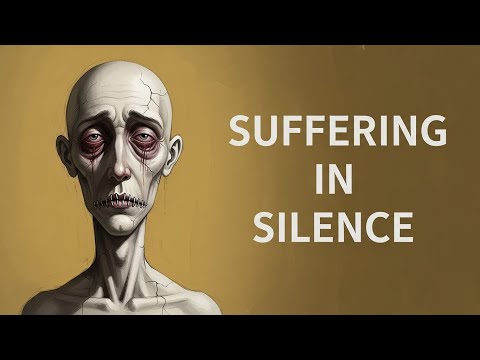
Hey, you ever felt like your heart just kinda… froze? Like, when emotional pain hits so hard that you’d do anything to escape it? I get it.
Numbing that pain seems like the easiest route sometimes. But let me tell you, it’s not always what we think it is. It’s a tricky road we walk down.
You’ve probably heard people say they’re “just trying to survive.” Seriously, that’s real talk. We find ways to cope—maybe too many ways—when life gets rough.
So, let’s dig into what happens up there in our heads when we try to numb those feelings. It’s fascinating and a bit messy, but that’s life, right?
Effective Strategies to Help Someone Overcome Emotional Numbness
Emotional numbness can be a tough thing to deal with, both for the person experiencing it and for their loved ones. It’s like being stuck in neutral, where feelings just don’t seem to show up, no matter how much you wish they would. If you know someone who’s feeling this way, it’s important to have the right tools to help them move forward.
First things first, communication is key. You might want to encourage them to talk about how they feel, even if they’re struggling to find the words. Sometimes just saying, “I’m here for you” or “It’s okay not to be okay” can create a safe space for them. Remember that silence can feel heavy, so even gentle nudging might help.
Another effective strategy involves mindfulness practices. Suggesting activities like meditation or deep breathing exercises can really help ground them in the present moment. These practices can slowly open up emotional pathways that feel closed off. It’s all about reconnecting with their body and feelings without forcing anything.
Also, encourage physical activity. Exercise releases endorphins—those feel-good chemicals in your brain—and it might break some of that numbness they’re feeling. You could invite them for a walk or join a yoga class together. Even dancing in the living room could do wonders!
A big one is creative expression. Sometimes emotions are easier to express through art than with words. They could try journaling, painting, or playing music—whatever feels right for them! This doesn’t have to be about creating something perfect; it’s more about letting those feelings out any way they can.
And let’s not forget seeking professional help. This isn’t always easy but talking with a therapist could give your friend more tools and support tailored specifically for them. There are different types of therapy like cognitive-behavioral therapy (CBT) that can help reframe thought patterns contributing to emotional numbness.
It might also be helpful to recognize triggers. Encourage your friend to pay attention to situations or thoughts that lead them toward emotional shutdowns. If they notice patterns—like certain stressors at work or reminders of past trauma—that awareness alone could start the healing process.
Don’t underestimate the power of support networks either! The company of friends and family, who understand what they’re going through will make a difference too. Just being around people who care can remind someone they’re not alone on this journey.
Lastly, patience is vital. Recovery from emotional numbness isn’t an overnight fix; it’s more like slow cooking instead of microwaving dinner! Celebrate small wins along the way because every little bit counts towards feeling better.
So yeah, helping someone with emotional numbness takes time and effort from both sides—but it’s definitely worth it if you stick together through this tough stuff!
Understanding Emotional Blunting: Symptoms, Feelings, and Coping Strategies
Emotional blunting can feel like living in black and white when everyone else is seeing in color. You might notice that things that used to make you happy, sad, or excited just don’t seem to hit the same way anymore. It’s like your feelings are being muted, right? That numbness can be confusing and frustrating. So let’s break it down together.
Emotional blunting often shows up as a lack of emotional responsiveness. You find yourself struggling to feel joy during happy moments or sadness during tough times. Maybe you’ve had days where you laughed at a meme but didn’t feel the chuckle deep down. You know? It’s like your emotions are on a vacation without telling you.
Another key symptom is difficulty connecting with others. You might notice conversations feeling flat or superficial, as if there’s an invisible wall between you and your friends. Remember that time when your buddy shared a big life event, and instead of celebrating with them, you just nodded along? That’s emotional blunting talking.
Then there’s this feeling of disconnection from yourself. It can get pretty disorienting when you look in the mirror and don’t recognize who’s staring back at you. Or maybe you just zone out during activities that typically light you up inside—like playing music or painting—and those sparks are nowhere to be found.
Now let’s talk about why this happens. Emotional blunting often ties into things like anxiety, depression, or trauma. Sometimes our brains try to protect us by numbing emotions. It sounds kind of helpful but can lead to feeling trapped in a bubble of indifference.
Coping with emotional blunting isn’t always easy, but there are some strategies worth trying:
- Mindfulness Practices: Engaging in mindfulness meditation can help bring awareness back to your feelings.
- Journaling: Writing down thoughts can create space for emotions that want to surface.
- Talk Therapy: Speaking with a therapist gives you an outlet for exploration without judgment.
- Physical Activity: Exercise releases those good ol’ endorphins—seriously amazing mood lifters!
Trying any of these doesn’t mean you’ll magically feel everything all at once; it could just be baby steps toward reconnecting with yourself.
If you’re finding it tough to cope alone, don’t hesitate to reach out for professional help! Seriously! Talking about what you’re feeling—or not feeling—can open up pathways towards healing so much more effectively than going solo.
You don’t have to stay stuck in this muted state forever. Take one step at a time, trust the process, and before long, colors will dance back into your life again!
Understanding Emotional Numbness: Is It a Hidden Danger to Your Mental Health?
Emotional numbness can feel like you’re stuck in a fog, right? It’s that weird state where you don’t feel much of anything. You’re not happy, but you’re not sad either. It’s just… blank. So, what’s going on with that?
When we’re hit with intense emotions—like grief from losing a loved one or the stress of a major life change—our brains sometimes go into survival mode. This is when emotional numbness kicks in. It’s like your brain’s way of saying, “Whoa, this is too much; let’s shut it down for a bit.” But here’s the catch: while it might offer some short-term relief, it can become a hidden danger to your mental health over time.
Think about the last time you really felt something and then had to put those feelings aside. Maybe you lost a job or went through a breakup. At first, it might have seemed okay to just not think about it—but if those emotions stay buried too long, they could resurface in nasty ways.
- Isolation: When you’re emotionally numb, you might shy away from friends and family without even realizing it. You don’t connect as much because everything feels distant and hollow.
- Stress Accumulation: Not processing your feelings means that stress just builds up inside. Overtime this can lead to anxiety or even panic attacks.
- Physical Symptoms: Believe it or not, emotional numbness can manifest physically! You might feel fatigued, have headaches or even stomach problems—your body is telling you something’s off.
- Relationship Problems: If you can’t feel much emotionally, it’s tough to connect with others on any real level. Relationships may suffer as a result.
- Mental Disorders: Long-term numbness can contribute to more serious conditions like depression and PTSD if left unchecked.
You know how sometimes people talk about “keeping busy” to avoid their feelings? That strategy might work for a little while but often leads to emotional detachment over time. To put it simply: while staying busy distracts from emotional pain temporarily, it doesn’t actually help heal those underlying issues.
Now picture someone who recently went through something traumatic—a close friend lost their battle with cancer. At first, they’re overwhelmed by grief; then comes that numbing effect where they just switch off their feelings to cope every day at work and social settings—it seems easier in the moment but creates further problems in the long run.
So what do we do about this emotional detachment? Well, facing those emotions head-on—though scary—is often necessary for healing. Therapy can be super helpful here; talking things out allows space for feelings without judgment or pressure.
Finding healthy outlets is key too! Whether it’s writing in a journal or focusing on hobbies that dig deeper than surface-level enjoyment (think painting vs scrolling through TikTok), these practices encourage feeling again.
In short? Emotional numbness isn’t just nothing—it’s something that needs attention & care before it turns into bigger issues down the road. Remember: feeling deeply—even when it’s painful—is part of being alive and connected!
You know, life can throw some pretty heavy stuff our way. Emotional pain is like that unwelcome guest that just won’t leave, and trust me, we all have our ways of dealing with it. Some folks might dive into a tub of ice cream while others might binge-watch their favorite shows for days. But, let’s get real for a second—numbing that pain can often feel like the only option we have.
From a psychological standpoint, numbing emotional pain is kind of an instinctual reaction. When things get too tough to handle, it’s like our mind hits the brakes. You might find yourself zoning out or just feeling «blah.» That’s your brain’s way of coping! It’s not fun, and it certainly doesn’t solve the problem at hand.
I remember a friend who went through a heartbreak so intense that he just couldn’t bear it. He decided to drown his feelings in game nights and endless socializing. At first, it seemed like he was having the time of his life—laughing and smiling around friends. But deep down? The hurt was still there, festering quietly beneath the surface.
So what’s really going on when we numb ourselves? Well, on one hand, it’s a protective mechanism—it keeps us from experiencing overwhelming feelings that can be gut-wrenching or paralyzing. On the other hand, it can lead to habits that aren’t always healthy. You might start relying on alcohol or compulsively scrolling through your phone to escape reality instead of facing those emotions head-on.
It’s tricky finding the balance between self-soothing and shutting yourself off completely. We need to process what we feel; it’s part of healing. Sure, treating yourself to some ice cream every now and then isn’t bad at all! But running away from your emotions constantly just puts them in a box that ends up exploding later.
So yeah, if you catch yourself numbing more than usual—take a moment to check in with yourself. Maybe grab a friend for coffee or talk to someone about what you’re feeling (seriously). Allowing those emotions in doesn’t mean you’ll be stuck there forever; instead, facing them could actually lead you toward healing eventually.
And remember—it’s totally okay not to be okay sometimes! Just make sure you’re also carving out space for those difficult feelings rather than covering them up with distractions all the time. Life’s messy—you wouldn’t want it any other way now would ya?