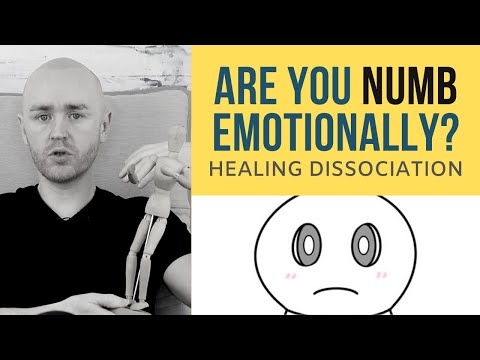
You know those days when everything feels like too much? Like, wow, the weight of the world is just sitting on your chest?
Yeah, I’ve been there. Numbing emotions can feel like this weird safety net, right? It’s kind of like turning down the volume on your feelings when they get overwhelming. But here’s the kicker: it doesn’t really solve anything.
Instead, it leaves you feeling empty or lost. It’s a tricky place to be, and it can mess with your mental wellbeing in ways you might not even notice.
Let’s chat about this struggle together—how we try to cope and what that really means for us. Sound good?
Exploring the Best Therapy Options for Overcoming Emotional Numbness
Emotional numbness can feel like you’re stuck in a fog, right? You’re going through the motions, but it’s like you’ve hit mute on your feelings. It can be a result of trauma, depression, anxiety, or even just the stress of everyday life. The thing is, it often leaves you feeling disconnected from yourself and others. So, if you’re wondering how to break through that isolation and reclaim your emotions, therapy might just be the answer.
When it comes to therapy options for emotional numbness, there are quite a few paths to explore. Here’s a rundown on some that could really help:
- Cognitive Behavioral Therapy (CBT) – This is one of the most common therapies out there. It focuses on changing negative thought patterns that contribute to feelings of numbness. By recognizing these patterns and challenging them, you can start to feel more engaged with your emotions.
- Dialectical Behavior Therapy (DBT) – This is similar to CBT but has a stronger focus on emotional regulation and mindfulness. You learn skills to manage intense emotions which can help bring back those feelings you’ve been missing.
- Mindfulness-Based Therapies – Techniques like meditation or yoga encourage you to be present in the moment. When you practice being mindful, it opens up pathways to experiencing your feelings more fully again.
- Eye Movement Desensitization and Reprocessing (EMDR) – If trauma is what led you here, EMDR can be particularly effective. It helps process traumatic memories that may contribute to emotional numbness.
- Art or Music Therapy – Sometimes words aren’t enough. Creative outlets allow you to express emotions in different ways without having to talk directly about them.
- Group Therapy – Sharing experiences with others who understand what you’re going through can make a world of difference. It creates a sense of community and connection that counters that feeling of isolation.
So there’s this story I came across: A woman named Sara felt so disconnected after her father’s death that she described herself as living in black-and-white instead of color. For years she avoided anything emotionally charged—movies, songs, even talking about her day-to-day life felt pointless. Eventually, she sought help through CBT after feeling fed up with her emotional void. She learned how her thoughts were keeping her stuck and started challenging them little by little. Over time—and with consistent practice—she found herself laughing at jokes again and feeling joy in small moments.
It’s totally normal if some therapies resonate more than others; everyone’s journey is unique! And if one approach doesn’t work for you? Well, don’t give up! There are plenty of options out there.
Finding the right therapist who understands emotional numbness specifically is key too—someone who gets where you’re coming from makes all the difference when starting this journey back toward feeling more alive again.
Remember though: healing takes time; it’s not an overnight fix! Be patient with yourself as you navigate these emotions; they’re yours to feel again when you’re ready!
Understanding Emotional Numbness: Risks, Causes, and How to Reconnect
Emotional numbness can feel like walking through life in a fog. You know those days where you just can’t seem to feel anything? Yeah, that’s it. Everything around you is muted. Like, you’re at a party, and everyone’s laughing and dancing, but it’s like you’re watching it from behind a glass wall. Sounds familiar?
Risks of emotional numbness are pretty significant. When you shut down your feelings, it’s not just the negative ones that get cut off; positive emotions go too. You miss out on joy, connection, and even the little things that make life vibrant. It can lead to deeper issues like anxiety or depression because your mind’s kinda like, “Hey! We need to feel something!”
Now for the causes. There are several factors that can contribute to feeling emotionally numb:
- Trauma: Experiencing something really traumatic can cause your brain to shut down feelings as a coping mechanism.
- Depression: This sneaky condition can make everything feel heavy and grey.
- Anxiety: Constant worry can wear you out emotionally, leading to numbness.
- Addiction: Use of substances often dulls emotions as a way of escape.
- Stress: Yeah, everyday stressors pile up too! Too much pressure without downtime can leave you feeling wiped out.
Look, I remember chatting with my friend Sam who went through a tough breakup. For months after, they felt like an empty shell—laughing at jokes but never really getting the punchline. Sam was so used to pushing feelings away that reconnecting felt impossible.
So how do you reconnect? Well, it’s not always easy, but here are some options people find helpful:
- Therapy: Talking to someone about what you’re going through can be super useful. You don’t have to navigate this alone!
- Meditation and Mindfulness: Practicing being present helps tap into those hidden emotions again.
- Journaling: Writing down your thoughts lets those feelings come out without judgment.
- Create something: Art or music allows for expression when words fail us.
- Simplify life: Sometimes less is more—less stress means more room for feeling!
It might take time—like running a marathon instead of sprinting—but every step counts! Remember Sam? They took baby steps: first therapy sessions were tough but gradually opened up; now they’re able to enjoy moments and laugh genuinely again.
Feeling nothing is tough in its own right. The key lies in understanding what’s happening inside your head and heart so you can find your way back to yourself. Emotions aren’t just messy—they’re real and important pieces of living fully!
Understanding Emotional Numbness: Causes, Symptoms, and Pathways to Healing
Emotional numbness is like being trapped in a fog, where feelings seem distant or completely out of reach. You might go through your days feeling flat, disconnected, or just “meh” about everything. It’s super common, but that doesn’t make it any less tough to deal with.
What Causes Emotional Numbness?
There are several reasons why you might feel this way. Sometimes it’s a reaction to trauma—like losing someone close to you or going through a tough breakup. Your brain can sort of shut off feelings as a defense mechanism, which is totally understandable but can leave you feeling empty.
Another reason could be stress or anxiety. If life gets overwhelming, your brain might just hit pause on emotions to help you cope, but that can backfire and leave you feeling stuck. Speaking of backfiring, if you’ve been using substances like alcohol or drugs to manage your emotions, those can also create numbness rather than relief.
Symptoms of Emotional Numbness
So how do you know if what you’re feeling is emotional numbness? Here are some signs:
- You often feel detached from your body or surroundings.
- Your emotions seem muted; joy feels small and sadness feels non-existent.
- You struggle to connect with others, even people you care about.
- You find it hard to express yourself—good luck crying at a sad movie!
It’s kind of like watching life go by without really being a part of it. You might feel like a robot—doing tasks but not really living them.
Pathways to Healing
The good news? You can definitely work through emotional numbness! It won’t happen overnight or with just one conversation (hey, healing takes time!), but here are some things that could help:
- Therapy: Seriously, talking things out with someone trained can be game-changing. A therapist can help uncover what’s causing the numbness and explore ways to reconnect with those emotions.
- Meditation: Practicing mindfulness helps ground you in the present moment. It’s amazing how focusing on your breathing can bring up feelings you’d thought were long gone!
- Journaling: Writing down your thoughts and feelings is an awesome way to process what’s going on inside without needing the pressure of conversations.
And don’t underestimate self-care! Simple things like spending time in nature or engaging in creative activities can help stir up those muted feelings again.
Remember when my friend Emily went through something similar? She felt so cut off after her dad passed away; she didn’t cry for months. But with therapy and some encouragement from friends, she learned how important it was to face those emotions instead of hiding from them. And eventually? She found herself laughing again—people even told her they missed her laugh!
Look, feeling emotionally numb isn’t a personal failing; everyone goes through stuff in their own way. Just take it one step at a time because healing is totally possible!
Numbing emotions, huh? It’s such a common struggle, yet it feels so isolating when you’re in the thick of it. You know, I can recall a time when I was just overwhelmed with everything. Work stress, relationship drama, and all that life mess piled up like dirty laundry. Instead of dealing with it, I went into survival mode and tried to shut everything off.
At first, it felt like a relief. Like hitting the mute button on a chaotic world. But then, I realized that numbing doesn’t just block out the bad stuff; it also dulls the good. Those little moments of joy—the laughter with friends or a sunset that literally takes your breath away—kind of slipped through my fingers.
It’s funny how we often think that pushing our feelings aside is a solution. But like trying to hold down a beach ball underwater, those emotions can build up and come bursting back at the most unexpected time—not exactly fun! And honestly? When you don’t feel your emotions at all, you lose touch with who you are.
So what do we do about this? Well, sitting with our feelings can be tough—like trying to sit through an awkward silence—but there’s growth in letting ourselves feel whatever comes up. It’s okay to cry or rage or simply sit in confusion for a bit. Those genuine feelings are part of life’s messy beauty.
And reaching out for help? That can be huge! Talking to someone—a friend, therapist, or family member—might feel daunting at first but can clear some of that emotional fog. It reminds you that you’re not alone in this struggle.
Numbing might seem like an easy way out sometimes, but embracing our emotions is what kickstarts true healing and well-being. So next time those feels start creeping in—or when you’re tempted to hit mute again—just remember: it’s totally okay to let it all wash over you. You gotta feel to heal!