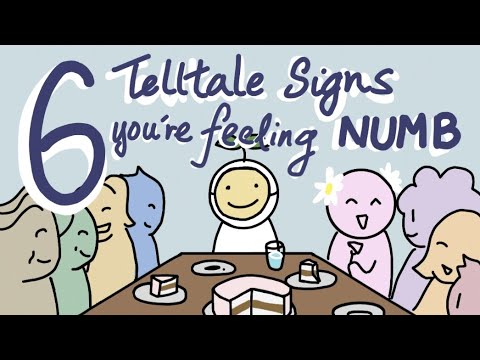
Hey, you know that feeling when everything just feels… gray? Like, you’re alive, but not really living? That’s numbness. It’s like your emotions hit pause.
And guess what? It often tags along with depression. Seriously, they kind of go hand in hand like peanut butter and jelly—or, I guess, like sadness and fatigue.
You might be wondering why that happens. Well, it’s a tangled mess of emotions, brain chemistry, and life’s ups and downs.
Let’s untangle it a bit together. Trust me, understanding this stuff can make a world of difference!
Understanding Emotional Numbness: Mental Illnesses That Can Leave You Feeling Detached
Emotional numbness can feel like you’re walking through life wearing a thick fog. You might show up to work, hang out with friends, or even spend time with family, but it all feels flat and colorless. Seriously, it’s like being a puppet without strings—doing stuff but not really feeling much about it.
So what’s going on? Emotional numbness often goes hand in hand with conditions like depression and anxiety disorders. It’s kind of tricky because while you might think, “I’m just feeling down,” it can often be more than that. When people talk about depression, they usually mention sadness. But emotional numbness is actually another side of that coin. You know how some days you feel so overwhelmed your brain just shuts off? That’s a version of it too.
Now, let’s break this down a little more:
- Depression: This isn’t just feeling sad; it drains your energy and joy. Numbness can be one way your brain protects itself from the heaviness.
- Anxiety: Constant worrying and stress can lead to shutting down emotionally as a defense mechanism.
- PTSD: After experiencing trauma, many people find themselves detached as their mind tries to cope with the pain of those memories.
- Bipolar Disorder: During depressive episodes, a person may feel wildly uninspired or emotionally flat.
- SCHIZO-AFFECTIVE DISORDER: This is where psychotic symptoms meet mood disorder traits; detachment can be both overwhelming and isolating.
Feeling detached doesn’t mean you’re heartless or cold. It can make you feel stuck in place—like watching life happen through a window. I remember talking to someone who described their experience as if they were in the audience at a concert but couldn’t hear the music; they saw everyone else enjoying themselves but couldn’t connect to any of those feelings.
But here’s the thing: recognizing emotional numbness is vital not just for yourself but also for those around you who care about you too. If you’re feeling stuck in this fog for weeks or longer, reaching out for support could really help clear things up. Therapy often focuses on helping individuals reconnect with their feelings—getting back into music after you’ve felt like an audience member forever.
And medications might also play a role if that’s what feels right for you—it’s super personal! But don’t forget there are other ways to reconnect too, like journaling or engaging in hobbies that once sparked joy.
So yeah, emotional numbness is heavy stuff—but understanding it better can help lift some of that weight off your shoulders. It’s okay not to have all the answers right now; what’s important is taking steps towards feeling more alive again!
Overcoming Mental Numbness: Effective Strategies to Reawaken Your Emotions
Mental numbness can feel like you’re just going through the motions. Seriously, it’s like being stuck in a fog where everything seems dull and lifeless. You might find yourself watching your favorite show, but it doesn’t make you laugh. Or, maybe you’re hanging out with friends, but you feel totally disconnected from the fun. This experience often links back to stuff like depression, anxiety, or stress. So, let’s explore some ways to shake that numbness off and really feel again.
Recognize the Numbness
First things first. You gotta recognize what’s happening. Acknowledging that you’re feeling numb is a big step toward change. It’s easy to brush it off as just being tired or busy, but this is important! Keep a little journal for a week where you note each time you feel emotionally flat. This isn’t about judging yourself—just noticing.
Connect with Your Body
Next up, reconnecting with your body can work wonders. Sometimes, mental numbness makes us forget that we have physical feelings too! Try simple activities like stretching or going for a walk outside. You could even do something as light as dancing in your living room to your favorite playlist. Just move! Let those endorphins kick in and remind you what joy feels like.
Talk About It
Reaching out to friends or family can really help too. Share how you’re feeling without fear of judgment; real friends will listen and support you. If that’s tough, consider talking to a therapist who can provide professional guidance without any bias.
Cultivate Mindfulness
Mindfulness practices can bring back your awareness of emotions and sensations. Even sitting quietly for five minutes and just focusing on your breath can ground you again in the moment. You know? It helps slow down racing thoughts and allows space for emotions to surface.
Create a Routine
Establishing a daily routine might seem boring but can actually bring structure and predictability into your life during chaotic times—and guess what? Stability helps ease feelings of anxiety too! Fill those time slots with small activities that spark joy or interest, even if they seem tiny right now.
Set Achievable Goals
Setting small goals could also reignite some motivation inside of you! Maybe aim for reading just one chapter of that book you’ve been eyeing or cooking one new recipe per week—something manageable that gives you a sense of accomplishment at the end of the day!
Avoid Isolation
It’s easy to isolate when feeling numb; don’t fall into that trap! Invite someone over or go grab coffee with someone who gets it; connection combats isolation like nothing else can!
Limit Substance Use
Be cautious with alcohol or drugs—they might seem tempting as an escape but often add more layers to that numb feeling instead of lifting it away.
Overcoming mental numbness takes time—like finding the right ingredients in cooking; sometimes it’s trial and error before getting it just right. But these strategies are here to help guide you out of that foggy place where feelings hide away in the shadows and back into light where they belong!
Understanding the Connection Between Numbness and High-Functioning Depression
Feeling numb? You’re not alone. It’s actually a common experience for many folks dealing with high-functioning depression. This type of depression might not look like the classic version, where someone is completely unable to function or get out of bed. Instead, people manage to go about their daily lives while feeling empty or disconnected inside.
So here’s the deal: you might be going through your day, checking off tasks at work, hanging out with friends, or even smiling when it’s needed. But deep down, there’s this sense of emotional numbness. That’s basically what high-functioning depression looks like—a facade of normalcy paired with an internal struggle.
- Numbness as a Defense Mechanism: Many people experience numbness as a way to shield themselves from overwhelming emotions. When life gets tough and feelings feel too intense, it’s like your brain throws up a wall. You might feel like you’re just going through the motions without really feeling anything.
- The Disconnect: With high-functioning depression, there can be this weird sense of disconnect from your own self. Ever feel like you’re watching your life unfold from the sidelines? That feeling is more common than you think. It’s exhausting because it feels as though you’re not fully living.
- Coping Mechanisms: People often develop coping mechanisms to deal with this numbness. Some might lean on caffeine or exercise to create temporary spikes in mood, while others may dive into work or hobbies to distract themselves—anything to avoid facing those deeper emotions.
- The Cycle:This emotional distance can create a cycle: you feel numb; then, because of that numbness, you worry about your feelings even more; and then that worrying just compounds everything! It can feel endless.
One friend told me how she went through her days feeling like she was wearing a mask—laughing at jokes but hardly feeling joy inside. “I felt so disconnected,” she said. It wasn’t until talking about her experiences with a therapist that she realized that her numbness was actually linked to her struggles with high-functioning depression.
The thing is—it is possible to break this cycle! Acknowledging those feelings (or lack thereof) is super important. Therapy can help bring back emotional awareness and allow for exploration of what’s really happening beneath the surface.
- Seeking Help:If you think this might resonate with you, reaching out for help could be huge! Therapists are trained to guide people through these complex feelings.
- Meditation and Mindfulness: Practices like meditation can help reconnect you with your emotions and reduce that sense of disconnection over time.
Numbness isn’t something to ignore; it’s a signal from your mind saying something needs attention. So if any of this sounds familiar, take care of yourself and consider talking things over with someone who gets it—you deserve it!
You know that feeling when everything around you just seems kind of gray? Like you’re floating through life but not really living it? That’s numbness, and it often tags along with depression. It can be a strange companion because, while depression can feel heavy, numbness is sort of like being in a fog. You might find yourself going through the motions – work, family, friends – but deep down it’s like there’s this wall separating you from any real emotion.
I remember a friend who went through a rough patch. She described waking up one morning and just not feeling anything at all. Not happy, not sad – just void. She’d scroll through social media and see everyone’s joy and excitement but felt nothing in response. It was unsettling for her because she used to be someone bursting with energy. She wanted to feel something again but found herself trudging through each day like it was all one long, dreary slog.
The connection between numbness and depression is super complex. On one hand, numbness can be your brain’s way of protecting you from overwhelming emotions or painful memories. It’s like your mind saying, “Okay, let’s hit pause on everything.” But then there’s this catch: that protective mechanism can also keep you stuck in a loop where nothing feels right or real.
Sometimes people think they should just snap out of it or that they’re being lazy or ungrateful for not enjoying life like they used to. But honestly? It doesn’t work that way. If you’re feeling numb, understanding that it’s part of the bigger picture of depression could help you realize you’re not alone in this struggle.
Finding ways to reconnect with feelings—whether that’s talking to a therapist or even journaling—can help break down those walls bit by bit. It’s all about taking small steps toward feeling again, because guess what? You deserve to experience the highs and lows of life fully! So if you’re facing that foggy numbness today, remember it’s okay to seek help and take gradual steps towards brighter emotional days ahead. You’re worth that journey!