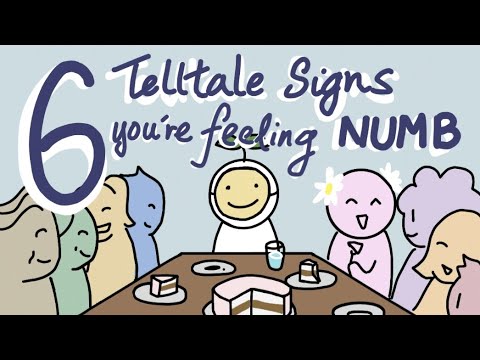
You know that feeling when you just can’t seem to connect with your emotions? It’s like staring at a beautiful painting but not feeling a thing. Pretty wild, huh?
That numbness can really mess with your head. One moment you’re cruising through life and the next, it’s like you hit a brick wall. Everything’s muted; joy, sadness, even anger feels distant.
It’s tough to explain. You’re going through the motions, but inside? It feels empty. You might even wonder if something’s wrong with you.
Let’s chat about what that means for your mental wellbeing. Seriously, it matters more than you think!
Understanding Emotional Numbness: Causes and Solutions for Feeling Emotionally Distant
Emotional numbness can feel like you’re just going through the motions of life, doesn’t it? It’s like putting on a mask every day and pretending everything’s fine when inside, you might feel nothing at all. This numbness can hit hard after traumatic experiences or during periods of extreme stress. You might even take a moment to reflect on a time when you felt so overwhelmed that your feelings just… shut down. Yeah, it can be tough.
What causes emotional numbness? Well, here’s the deal: emotional numbness often arises as a defense mechanism. When things get too intense or painful, your mind may decide it’s better to disconnect from those emotions to protect you from further hurt. Some common causes include:
- Trauma: Experiencing or witnessing traumatic events can lead to feelings of detachment.
- Anxiety and depression: These conditions often come with emotional flatness.
- Substance abuse: Drugs and alcohol can dull your emotional responses.
- Stress overload: Chronic stress can exhaust your emotional resources.
It’s kind of like being stuck in a fog where everything feels muted. You might find it hard to connect with loved ones or even enjoy activities that once brought you joy.
Now, let’s talk solutions because feeling this way isn’t something you have to live with forever. Here are some approaches that might help:
- Therapy: Talking things out with a professional can really help untangle those emotions.
- Meditation and mindfulness: Grounding yourself in the present moment can sometimes bring back those lost feelings.
- Journaling: Writing down your thoughts helps you process what you’re experiencing inside.
- Sensory experiences: Engaging in activities that stimulate your senses—like art or nature walks—can reignite emotional connections.
You see? There are ways to reconnect with your feelings again. But it takes time and effort; be patient with yourself because healing isn’t usually linear.
Sometimes people feel scared about reaching out for help. But remember, it’s perfectly okay to ask for support from friends or family too! Sharing how you’re feeling could make a world of difference.
So if you find yourself feeling emotionally distant, don’t hesitate to explore these paths towards reconnecting with yourself. You deserve to feel alive and fully experience all those ups and downs that make life rich!
Understanding Numbness in Mental Health: Symptoms, Causes, and Coping Strategies
Numbness in mental health can feel like being wrapped in a thick blanket that keeps you from feeling anything at all. It’s this strange mix of detachment and emptiness, where emotions seem just out of reach, almost like watching your life through a foggy window.
You know, not everyone experiences numbness the same way. For some, it’s an occasional feeling that comes and goes. For others, it can be more persistent and deeply unsettling. This emotional numbness often creeps in during tough times—like after a loss or during intense stress.
Symptoms of emotional numbness can vary quite a bit:
- Feeling disconnected from yourself or others.
- A lack of interest in activities that used to spark joy.
- Difficulty expressing emotions, both positive and negative.
- Struggling to connect with loved ones or friends.
It might remind you of that time when your best friend told you about some big life changes, but instead of feeling excited or supportive, you just felt…nothing. No excitement for their new job or sadness about their breakup. Just a blank space where those feelings should have been.
Now, let’s talk about what could cause this overwhelming numbness. It really can stem from various factors:
- Trauma: Experiencing abuse or loss can lead to your brain shutting down emotionally as a protective measure.
- Anxiety: High levels of stress can lead to feelings of dissociation—like you’re on the outside looking into your own life.
- Depression: A common symptom of depression is an inability to feel joy or excitement.
- Coping Mechanisms: Sometimes we shut down emotionally to avoid pain; it’s kind of like putting up walls around our hearts.
And here’s something crucial: being stuck in this state isn’t just uncomfortable; it can seriously affect your overall mental wellbeing. It might lead to loneliness or even worsen existing mental health issues.
So how do you start coping with this? Well, there are several strategies that can help:
- Acknowledge Your Feelings: Even if it’s hard to feel anything right now, admitting that you’re experiencing numbness is the first step toward change.
- Talk About It: Sharing these feelings with someone—like a friend or therapist—can help break down those walls.
- Create Small Goals: Try setting tiny goals each day. Maybe it’s just sending a text to someone checking in or going for a short walk.
- Meditation and Mindfulness: These practices can help ground you in the present and reconnect with your feelings slowly over time.
For example, imagine sitting quietly for just five minutes each day focusing on your breath. You might discover snippets of emotion hiding beneath the surface.
Sometimes reaching out for professional help is also necessary. Therapists often use techniques like cognitive behavioral therapy (CBT), which helps change negative thought patterns into more constructive ones.
It’s also important to factor in lifestyle changes—getting enough sleep, eating well (yeah, pizza is great but balance is key!), and exercising can all play roles in improving how you feel overall.
Look, overcoming emotional numbness isn’t an overnight fix; it’s more like peeling an onion—layer by layer—even if it makes you cry sometimes! Give yourself grace through this process because healing takes time—and that’s absolutely okay!
Understanding Emotional Numbness: Mental Illnesses That Cause Apathy and Detachment
Emotional numbness can feel like you’re floating through life, disconnected from everything around you. You see the world in black and white while everyone else seems to experience vibrant colors. It’s a weird sensation, and if you’ve ever felt this way, you’re definitely not alone. So, what exactly causes this apathy and detachment?
Types of Mental Illnesses That Lead to Emotional Numbness
There are several mental health conditions where emotional numbness takes center stage.
Well, let’s say you’ve gone through a tough break-up or lost someone close to you. At first, there’s that raw pain—you cry and scream and feel everything intensely. But over time, some folks find themselves just… blank. It’s as if their heart decided it was too much work to feel anymore.
The Impacts of Emotional Numbness
Feeling nothing has its consequences too:
Treating Emotional Numbness
The good news? There are ways out of this fog.
1. Therapy: Speaking with a trained professional can help identify underlying causes. Techniques like cognitive-behavioral therapy can teach you how to reconnect with those feelings.
2. Medication: Sometimes doctors may prescribe medications that help balance mood disorders encouraging emotional connection again.
3. Mindfulness Practices: Engaging in mindfulness exercises—like meditation or yoga—can help ground you in the present moment and begin rebuilding that emotional awareness.
4. Talking It Out: Just sharing what you’re going through with trusted friends or family members can make all the difference.
You know that feeling when you’ve been sitting on the couch all day? Eventually, getting up feels impossible because all those little feelings crammed inside have made it hard for you just to move? Emotional numbness is kind of like that—all too familiar yet frustratingly distant.
In short, while emotional numbness creates a heavy blanket shrouding life’s experiences in gray shades instead of vibrant hues with all their beauty; understanding its roots—or even chatting about it—can be a solid step toward reclaiming those colors again!
You know that feeling when you’re just… flat? Like, nothing really moves you anymore? That numbness to emotions can hit pretty hard, and it’s like being in a fog where everything feels gray. I remember a time when I was going through a rough patch. Friends would tell me funny stories or share great news, and I’d just sit there, barely cracking a smile. It was exhausting, honestly. I wanted to feel something but couldn’t grasp the joy or excitement. And that’s the thing with emotional numbness—it can creep up on you without warning.
When you’re numb, it’s not just about feeling sad or down. You might think you’re protecting yourself from pain, but it also keeps you from experiencing happiness or love too. Imagine watching your favorite movie—one that usually makes you laugh—and instead of cracking up, you’re just there staring blankly at the screen. It’s frustrating! That disconnect can make life feel pretty empty and isolating.
This kind of emotional flatness can mess with your mental health in ways you might not expect. It can lead to anxiety because you’re constantly questioning why you can’t feel anything. Or maybe it spirals into depression since that lack of emotional engagement often makes daily life seem pointless. The struggle is real—you want to connect with people but end up feeling like you’re standing on the outside looking in.
And let’s not ignore how this impacts relationships too! Friends or partners might worry when they see you pulling away because they sense something’s off. They might ask if you’re okay, and when you shrug it off with a “Yeah, I’m fine,” it only adds to that loneliness.
So what do we do about numbness? Well, sometimes acknowledging that something isn’t quite right is the first step. Talking with someone—a therapist or trusted friend—can be huge in breaking down those walls of silence surrounding your feelings. Who knows? You might discover the colors of life hidden beneath all that gray again!