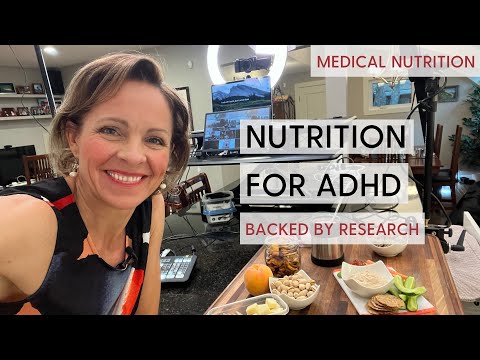
Hey there! So, let’s chat about something that can feel like a total roller coaster: Attention Deficit Disorder. You know, that thing where your brain feels like it’s switched to a hundred tabs open at once? Yeah, it’s a lot.
But here’s the kicker. What if I told you that nutrition might actually help? Like, seriously help. You probably wouldn’t expect that, right?
Food is more than just fuel for your body; it can actually affect how you think and focus. Imagine a diet that not only tastes good but also gives your brain a boost. Sounds pretty awesome, huh?
So, let’s dig into this whole idea of how what you eat might make a difference in managing ADD. Trust me, it’s worth exploring!
Essential Dietary Guidelines for Managing ADHD in Children: Downloadable PDF Resource
So, let’s talk about how nutrition might play a part in managing ADHD in kids. This is a big topic, and while it’s not a magic fix, the things we eat can seriously affect how our brains work.
Understanding ADHD
Attention Deficit Hyperactivity Disorder (ADHD) can make it tough for kids to focus and stay organized. As a parent or caregiver, you probably want to help them thrive. Well, aside from therapy and sometimes meds, nutrition can really support those efforts.
The Basics of Nutrition for Kids with ADHD
Healthy eating isn’t just about avoiding junk food. It’s about **fueling the brain** with nutrients it needs to function well. Here are some key points to consider:
- Protein: Foods rich in protein can help improve concentration. Think chicken, fish, eggs, beans—these foods keep blood sugar levels steady.
- Complex Carbs: Whole grains like oats and brown rice release energy slowly. This helps maintain focus over time instead of causing those annoying sugar highs and lows.
- Omega-3 Fatty Acids: Found in fish like salmon or walnuts, these fats are super important for brain health. Some studies suggest they might even help reduce symptoms of ADHD.
- Avoid Processed Foods: Processed snacks often have lots of sugars and additives that can ramp up hyperactivity for some kids.
- Nurturing Hydration: Staying hydrated is key! Sometimes kids get cranky or unfocused when they’re dehydrated.
- Sensitivities to Certain Foods: You know how some kids act a little wild after candy? Well, some show sensitivity to artificial colors or preservatives too!
The Role of Meal Timing
When your child eats also matters. Regular meals and snacks can prevent hunger-induced meltdowns or loss of focus. Keeping a consistent schedule helps regulate their mood and attention.
Anecdote Alert: I remember this one mom telling me that after switching her son’s breakfast from sugary cereal to scrambled eggs with spinach, his teacher noticed he was way more engaged in class by mid-morning! Little changes really do add up.
The Power of Involvement
Involving your child in meal prep can also be super helpful! If they pick fruits or help cook meals, they’re more likely to eat healthier options without even realizing it.
Of course, before making any huge dietary changes—or if you think your kid has food sensitivities—it’s always smart to chat with a healthcare professional.
So yeah, while food alone won’t solve everything when managing ADHD symptoms in children, it definitely plays an essential role in creating an environment where they can shine!
Top Foods to Avoid for Adults with ADHD: Enhancing Focus and Well-being
It’s pretty common to hear about how what you eat can affect your mood and focus, especially for adults with ADHD. Seriously, nutrition plays a bigger role than you might think. So let’s chat about some foods that might not be the best choice if you’re looking to boost concentration and overall well-being.
Processed Sugars: These guys are everywhere! From sodas to candy bars, they can lead to those crazy ups and downs in energy. You know that crash after a sugar high? Yeah, it’s not great for focus either.
Caffeinated Beverages: Now, caffeine works differently for everyone. Some people feel more alert after a cup of coffee, while others may just feel jittery and anxious. If you’re finding it hard to concentrate, maybe try cutting back on those extra cups of joe or energy drinks.
Fast Foods: Quick meals can be super tempting when you’re busy. But the thing is, they often contain unhealthy fats and additives that might mess with your concentration. Think greasy burgers or fried stuff—it’s all about feeling sluggish afterward instead of sharp.
Artificial Additives: Have you ever checked what’s in that colorful cereal? Many processed foods are loaded with artificial colors and preservatives which could make hyperactivity worse for some people. Less of that junk might mean more clarity!
Gluten:** For some adults with ADHD, gluten could be a real bummer. It’s not about going completely gluten-free unless necessary but being mindful of how your body reacts when you consume it can help clear up focus issues.
Dairy Products: Some folks notice that dairy makes them feel sluggish or even foggy-headed. If you get bloated or uncomfortable after dairy snacks, maybe limit them! Trust me; there are plenty of other yummy options out there.
Incorporating whole foods—like fruits, veggies, lean proteins, and whole grains—into your meals can really help keep your mind sharp. Foods rich in omega-3 fatty acids (hello salmon!) are also known to support brain health.
At the end of the day, it’s all about finding what works best for you. Keeping a food diary could help track how different foods affect your mood and attention span; it could provide some valuable insights!
Exploring the Role of Nutrition in Managing ADHD: Effective Dietary Strategies for Better Focus
When it comes to managing ADHD, nutrition can actually play a big role in how we focus and feel every day. It’s kinda fascinating how what you eat can impact your brain function and overall mood. Seriously, let’s talk about this in a way that’s clear and relatable.
First off, what you eat matters. For folks with ADHD, certain nutrients can help improve attention and reduce hyperactive behaviors. It’s not just about caffeine or sugar crashes! A balanced diet filled with proteins, healthy fats, and complex carbohydrates can really make a difference.
- Proteins: Foods like chicken, fish, eggs, beans, and nuts provide amino acids that are crucial for making neurotransmitters. These little guys help regulate mood and focus!
- Omega-3 fatty acids: Found in fish like salmon or in flaxseeds and walnuts, these fats are known to support brain health. Some studies suggest kids with ADHD might have lower levels of omega-3s.
- Complex carbohydrates: Think whole grains like brown rice or quinoa. They release energy slowly into your bloodstream which helps maintain steady focus instead of those wild sugar spikes from junk food.
- Avoiding additives: Some folks find that certain food colorings or preservatives can ramp up hyperactivity. Keeping an eye on labels can be a game changer.
- Regular meals: Establishing a routine for meals helps keep blood sugar levels stable. This means no more rollercoaster energy levels throughout the day!
Now here’s an emotional nugget: I once knew a kid named Max who struggled with his schoolwork because he couldn’t focus at all during class. His mom decided to tweak his diet after reading about nutrition’s effects on behavior. They cut out sugary snacks and added more protein-rich foods and veggies. You know what? Over time, it became easier for him to concentrate on lessons.
It’s also worth mentioning hydration—drinking enough water is key! Dehydration can lead to fatigue and irritability, which isn’t great for anyone’s focus but especially tough when you’re managing ADHD symptoms.
Another interesting point is the timing of meals; having consistent meal times might really help stabilize energy levels throughout the day as well. You wouldn’t want to be starving halfway through that important math test!
So basically, if you’re looking to manage ADHD symptoms better through diet, consider adding these strategies into your life—or even just experimenting with them! Nutrition isn’t a cure-all but it sure packs a punch when it comes to boosting those focus skills.
Lastly, always remember: everyone is different! What works wonders for one person might not have the same effect on someone else. And that’s totally okay—figuring out what works best takes time and patience!
You know, when you think about Attention Deficit Disorder (ADD), nutrition isn’t usually the first thing that pops into your head. But hey, it actually matters more than you might think. I remember a friend who struggled with ADD throughout school. He was super bright but had a tough time focusing. His parents started paying attention to what he was eating, and it made a noticeable difference.
So, let’s break this down a bit. Basically, our brains need fuel to work properly, just like any other part of our body. If you’re munching on sugary snacks and empty carbs all day, well, your brain gets jittery and doesn’t function at its best. It’s kind of like trying to run a car on the wrong kind of fuel—not going to work well!
On the flip side, incorporating more whole foods—like fruits, veggies, lean proteins, and healthy fats—can help stabilize energy levels and improve focus. Some studies even suggest certain nutrients can make a difference in managing symptoms. For example, Omega-3 fatty acids found in fish are believed to be quite beneficial for brain health.
And don’t forget about hydration! Seriously, drinking enough water is crucial for pretty much everything in your body—including your ability to concentrate. Imagine feeling sluggish because you forgot to sip on water all day; that’s no good for anyone.
But hey! Nutrition alone isn’t gonna solve all the problems tied to ADD. It’s part of a bigger puzzle that includes things like therapy or medication when necessary. So yeah, while it’s not a magical cure-all or anything dramatic like that, fueling your body right can definitely support better focus and mental clarity.
In short? Watch what you eat! It might just help smooth out some of those bumpy roads you hit while trying to concentrate on whatever tasks are at hand—whether it’s homework or just staying engaged in conversations with friends.