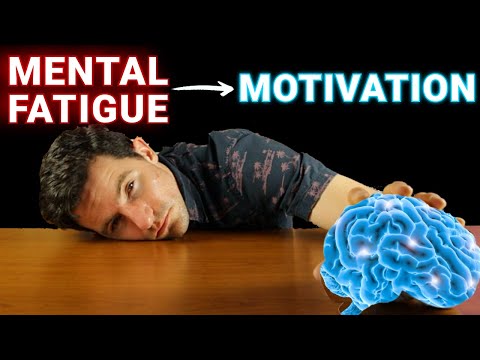
Hey there! Have you ever felt like your brain is just, well, tired? Like, no matter how much you sleep or chill out, it’s still running on empty?
Yeah, I totally get it. Mental fatigue is a real struggle for a lot of us. And honestly, it can mess with your daily life in ways you don’t even realize.
Here’s the deal: what you feed your brain actually matters. Just like a car needs good fuel to run smoothly, your mind does too! You follow me?
Let’s chat about some simple ways to nourish that noggin of yours. Trust me; it could make all the difference.
Revitalize Your Mind: Effective Strategies to Overcome Mental Exhaustion
Mental exhaustion can feel like you’re wading through mud, right? It’s that heavy cloud hanging over your brain, making even the smallest tasks seem like climbing a mountain. But don’t worry! There are effective ways to combat this fatigue and revitalize your mind.
First off, let’s talk about self-care. It’s not just a buzzword; it seriously matters. Taking a break, whether it’s doing absolutely nothing for 15 minutes or enjoying a hobby you love, offers your brain the chance to recharge. Ever felt lighter after binge-watching your favorite show? That’s your mind taking a breather.
Next up is nourishing your brain. Your diet plays a huge role in how you feel mentally. Foods rich in omega-3 fatty acids—like salmon and walnuts—can boost brain health. Want something simple? How about smoothies packed with greens and fruits? They taste awesome and give you that good energy without the crash later.
Also, don’t underestimate the power of hydration. Seriously! Dehydration can lead to fatigue and foggy thinking. Aim for at least 8 glasses of water a day; it’s easier than you think! Carrying around a cute water bottle can help remind you to sip throughout the day.
Sleep is another biggie on this list. It’s tempting to power through those Netflix episodes late into the night, but good sleep restores your brain function. Try setting a bedtime routine that helps signal to your body it’s time to wind down. You’ll notice how much clearer everything feels after a solid night of rest.
And here’s one that might surprise you: mindfulness meditation. Just five minutes of focused breathing can dramatically clear up mental clutter. It teaches your brain to stay present instead of worrying about everything on your plate. Plus, it doesn’t have to be complicated; simply finding a quiet space and focusing on your breath works wonders.
Lastly, keep in mind that connection matters too! Reach out to friends or family members when you’re feeling overwhelmed; sharing experiences often lightens the load on your mind. Even just chatting about random stuff can make everything feel less daunting.
So yeah, tackling mental exhaustion doesn’t have to be rocket science! By embracing self-care practices, nourishing yourself with healthy foods, staying hydrated, getting enough sleep, practicing mindfulness, and keeping those connections alive—you’ll be well on your way toward revitalizing that tired mind of yours!
Exploring the Impact: Mental Tiredness vs. Physical Fatigue on Well-Being
Mental tiredness and physical fatigue, though often intertwined, can feel like totally different beasts. You might wake up after a long night and still feel brain-dead even if your body’s rested. Or you could be running on fumes after a long day at work but feel mentally sharp. Understanding the differences between these two types of fatigue can really help you tackle them better.
Mental tiredness often comes from cognitive overload. Think about days when you’re juggling multiple tasks, like working on a project while also dealing with personal stuff. Your brain, overloaded with information and decisions, starts to put on the brakes. It’s like trying to run an outdated computer—you’ll notice it starts lagging or freezing up.
On the flip side, physical fatigue is more about your body. That heavy feeling in your limbs after a long workout or even standing all day? That’s physical fatigue knocking at your door. It usually comes from exertion, lack of sleep, or even not eating well enough. Your muscles need rest, and they’ll let you know when they’re done for the day!
So what’s the impact of these two types of fatigue on our well-being? Well, both can lead to some serious issues if ignored for too long.
- Mental fatigue
- Physical fatigue
- The two are connected.
can lead to mood swings, irritability, or anxiety. When you’re mentally drained, even small tasks can feel overwhelming.
is tricky because it often leads to not just body aches but problems sleeping too! When you don’t recover properly physically, it can mess with your mental state as well.
For example, if you’re mentally exhausted from work stress, you might skip that workout and end up feeling physically drained too.
You know that feeling when you’ve had a rough week at work? Maybe you’re juggling deadlines while sorting out personal drama too? I remember once having back-to-back meetings that left me wishing I could crawl under my desk and hibernate for a month! Mentally wiped out one minute but then tossing and turning all night because my body was so restless from sitting all day.
To combat mental fatigue specifically—which is becoming more common—nourishing your brain is key. You can do little things throughout the day that make a big difference:
- If you eat well: Foods rich in omega-3 fatty acids (like salmon) or antioxidants (like berries) can help keep your brain sharp.
- Adequate hydration: Seriously! Water is essential for optimal brain function; dehydration slows everyone down.
- Taking breaks: Just stepping outside for five minutes or practicing deep breathing techniques can recharge your mental battery.
Having strategies in place to tackle both types of fatigue is kind of like having a toolbox; you’ll want various tools ready depending on what breaks down first! Remembering that both are part of being human—and managing them doesn’t mean you’re weak—can really shift how you approach life’s challenges.
In short: recognize which type of tiredness you’re dealing with so you can find the right ways to deal with it! You’re doing great just by asking these questions and seeking solutions.
Understanding Cognitive Fatigue: Key Symptoms and Signs to Watch For
Cognitive fatigue is one of those things that can sneak up on you. You might think it’s just tiredness, but it’s more nuanced than that. It’s like your brain is running a marathon, and instead of crossing the finish line, it just keeps going and going. You know what I mean? It’s pretty rough!
Key Symptoms of Cognitive Fatigue
First off, let’s look at some symptoms you might notice if cognitive fatigue decides to crash your party.
- Poor Concentration: It can feel like your thoughts are all jumbled up. You’re staring at a book or a screen, but nothing sticks.
- Memory Issues: Sometimes you’ll forget simple things, like where you placed your keys or what you were about to say.
- Increased Irritability: Little things that usually wouldn’t bother you start getting under your skin. Your patience runs thin pretty quickly.
- Lack of Motivation: Getting out of bed or starting tasks feels like climbing Mount Everest. Even the simplest chores seem overwhelming.
- Physical Symptoms: Headaches or tension in your neck and shoulders can be signals that your brain’s worked overtime.
Now isn’t that just annoying? You might find yourself thinking, “Why am I feeling like this?”
What Causes It?
Cognitive fatigue often happens when you’ve been under stress for too long or juggling too many things at once. Like when work piles up, social commitments keep coming at you, and all you want is five minutes to breathe! You get bombarded with information daily—emails, texts, news—and eventually, it just weighs you down.
Take Jenna, for example. She works a demanding job and also took on some volunteer work recently. One day she found herself staring blankly at her computer screen for hours without absorbing anything. That was her wake-up call!
Nourishing Your Brain
There are ways to combat this mental fatigue. Seriously! Nourishing your brain can make a world of difference.
- Eat Well: Foods rich in omega-3 fatty acids—like salmon and walnuts—are super helpful for brain health.
- Stay Hydrated: Dehydration can make that tiredness even worse. So drink water regularly!
- Adequate Sleep: Sleep is essential for memory consolidation and restoring energy levels in your brain.
- Mental Breaks: Give yourself permission to take short breaks throughout the day; it’s amazing how refreshing even five minutes away from a task can be!
Recognizing cognitive fatigue is key to dealing with it effectively. Once you’re aware of those signs and symptoms—you know what’s happening—you can take steps to nourish not only your body but also your mind.
So next time you’re feeling mentally drained or struggling to focus on basic tasks, don’t just brush it off as typical tiredness. Tune in! Your brain deserves some TLC too!
You know, sometimes it feels like your brain is running on empty, right? Like you’ve got a million thoughts bouncing around, but trying to focus is like pushing a boulder uphill. Been there? I remember one afternoon I just crashed. I had a ton of work and felt like my head was in a fog. No matter how much coffee I drank, nothing seemed to shake it off.
So, here’s the thing: our brains need care just like our bodies do! You want to combat that mental fatigue? It really helps to think about what you’re putting in your body. Seriously, nourishing your brain can make all the difference. Eating omega-3-rich foods like salmon or walnuts can actually boost those cognitive functions. Crazy how food can impact mood and clarity!
And then there’s hydration—don’t underestimate it! Dehydration can mess with your concentration big time. Just drinking water regularly can help keep things flowing smoothly up there.
But it’s not just about snacks and drinks. Mental breaks are super important too. Taking a moment to step away from your screen or whatever’s stressing you out can work wonders! I started doing this little five-minute stretching routine during my breaks, and wow—it makes a world of difference!
Moving your body helps too! Maybe go for a walk or dance around your kitchen while cooking (yeah, I’ve done that). Physical activity releases those feel-good chemicals—endorphins—that boost your mood and energy levels.
Look, everyone has off days where the brain feels sluggish; it’s totally normal. But by giving your brain some TLC with good food, hydration, breaks, and movement, you’re setting yourself up for success—even on those tough days when everything feels heavier than usual.
So next time you’re feeling mentally wiped out, remember: there’s more you can do than just power through it! Your brain deserves some serious nourishment to keep firing on all cylinders.