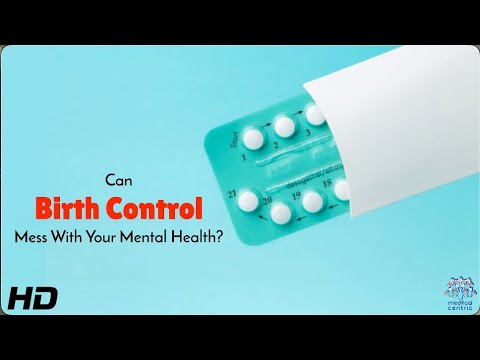
Hey! So, you know how our moods can be as unpredictable as the weather? One minute you’re on top of the world, and the next, you’re like, “What just happened?”
Well, if you’re using NuvaRing for birth control, that little thing might have a say in your emotional rollercoaster. Seriously.
It’s like having a silent partner that influences how you feel—sometimes good, sometimes really not.
Ever found yourself crying over a pizza commercial? Yeah, me too. Let’s chat about what’s going on with NuvaRing and those mood swings it can bring along.
Exploring the Connection Between NuvaRing and Mood Swings: What You Need to Know
Hey there! Let’s talk about NuvaRing and how it might mess with your mood a bit. So, like, you might be using this birth control method that’s kinda popular. It’s a small, flexible ring you insert into your vagina to prevent pregnancy. Sounds pretty convenient, right? But some people experience mood swings while using it. Let’s break down why that happens.
First off, hormones are the main players here. The NuvaRing releases hormones—specifically estrogen and progestin—into your bloodstream. These hormones are important for regulating your menstrual cycle, but they can also affect your brain chemistry. And when there’s a shift in hormones? Well, it can really shake things up emotionally.
Now,
It’s like one day you’re chill and the next you’re crying over a sad commercial or snapping at your friend for no reason. It happens! Your body is adjusting to these new hormones.
Then there are others who feel downright *depressed* when they use it. If you’ve experienced depression before, adding new hormones can sometimes tip the scale back toward those heavy feelings you thought were gone for good.
But here’s the kicker:
. Seriously! Some people sail through without any change in their mood whatsoever. It’s all about how your body reacts to these hormonal shifts.
You might wonder why this matters so much. Mood swings can affect everything—from relationships to work performance—so it’s vital to be aware of what you’re putting in your body and how it changes things psychologically.
So yeah, if you start noticing emotional changes after starting NuvaRing, don’t just brush it off. It’s cool to talk to someone about it—like a healthcare provider or therapist. They can help figure out if it’s the ring or maybe something else going on in your life.
And remember: mood swings aren’t always just from birth control; life stuff like stress, sleep patterns, or big changes can play into how you’re feeling too. So keep that in mind while trying to get a handle on everything!
In short: hormones from NuvaRing can mess with your emotions; not everyone feels it though. Pay attention and don’t hesitate to reach out if things start feeling off—taking care of yourself is what matters most!
Understanding the Causes of Drastic Mood Swings: Insights into Mental Health
Drastic mood swings can really be a roller coaster, right? Sometimes you’re on top of the world, and other times, you just want to crawl under the covers. So, let’s break down some of the causes of these mood swings and how they relate to mental health, with a little focus on things like hormonal birth control—specifically the NuvaRing.
When we talk about mood changes, it’s essential to recognize that hormones play a huge role. The NuvaRing is a form of hormonal contraception that releases estrogen and progestin into your body. This can definitely impact your mood. If you’ve ever felt like you’re on an emotional seesaw after starting or stopping this kind of birth control, well, you’re not alone.
Hormonal fluctuations can affect neurotransmitters in your brain—like serotonin and dopamine—which are super important for regulating mood. Those ups and downs in hormone levels might make you feel anxious, sad, or irritable at times. It’s all about balance. Imagine your brain is this intricate orchestra; if one instrument is out of tune, the whole symphony sounds different.
Another factor to consider is stress. Life has a way of throwing curveballs at us: work pressures, relationship issues, or even just daily frustrations can lead to significant mood shifts. If you’re already experiencing hormonal changes from something like the NuvaRing, added stress might just make everything feel amplified.
Now let’s talk about individual differences. Everyone’s body reacts differently to hormonal birth control. Some people may find it smooth sailing with minimal side effects; others may feel like they’ve stepped onto an emotional treadmill going way too fast. It’s all about how your unique chemistry interacts with those hormones.
Don’t forget about past experiences too! Personal history with mental health issues—like depression or anxiety—can influence how you react to hormonal changes as well. If you’ve had tough times before, it might be easier for those feelings to sneak back in when your hormones are fluctuating.
When you’re dealing with drastic mood swings due to something like NuvaRing or similar treatments:
- Monitor Your Feelings: Keep track of when these swings happen.
- Talk It Out: Expressing what you’re feeling can really help release some tension.
- Consult Your Doctor: If things get overwhelming or don’t feel right, reaching out for advice might be necessary.
In short, understanding why you’re feeling all over the place isn’t always easy! Hormones are tricky little devils—especially when mixed with life’s stresses and personal history—but being aware gives you a better shot at managing them effectively. It’s totally okay to reach out for support if things start feeling heavy; remember that mental health is super important too!
Exploring the Link Between Birth Control and Mood Swings: What You Need to Know
Mood swings and hormonal birth control are a topic you might find yourself chatting about with friends or even pondering alone at 2 AM. It’s so common to hear stories of women feeling a bit more emotional or moody after starting a new form of contraception, like the NuvaRing. So, what’s up with that?
Let’s break it down. The NuvaRing releases hormones—like estrogen and progestin—into your system to prevent ovulation. These hormones can also affect your brain chemistry, which plays a big role in mood regulation. Basically, when you mess with your hormones, it can lead to changes in how you feel emotionally.
Here’s the thing: Everyone reacts differently to hormonal changes. Some people may not notice any difference in their mood at all, while others might find themselves teetering on an emotional roller coaster all month long. You know? Like one minute you’re blissful, and the next, you’re crying over a sad cat video on the internet.
Here are a few key points to consider:
- The timing of your cycle matters. For some women, mood swings can be more intense during certain phases of their cycle when hormone levels are fluctuating.
- If you’ve experienced mood swings before, like during PMS or other hormonal changes, be prepared for similar experiences with the NuvaRing.
- Stress and lifestyle factors, like lack of sleep or work pressure, can amplify emotional responses regardless of birth control.
- It might take some time to adjust. Your body could need weeks or even months to find its balance after starting the NuvaRing.
Now let’s chat about something real: I once knew someone who got super anxious just a week after starting it. She’d always been pretty chill before but suddenly found herself having these out-of-nowhere anxiety attacks—seriously gut-wrenching stuff! After talking things through with her doctor and trying a different method, her feelings leveled out again.
So if you’re thinking about the NuvaRing or already using it and noticing shifts in your moods—a little rough patch here and there—don’t hesitate to bring it up with your healthcare provider. They can help talk through options or suggest alternatives if needed.
And look, communication is key! Keeping track of your feelings can really help too (like journaling). When you notice patterns in your emotions related to when you’re using the ring, it’ll be easier for both you and your provider to figure things out together.
In short? Birth control can definitely have an impact on mood swings for some people but isn’t universal. Stay informed and stay in touch with how you’re feeling!
So, let’s talk about the NuvaRing and those pesky mood swings that can come along with it. You know, it’s one of those birth control options that seems super convenient. Just pop it in and forget about it for a month—sounds great, right? But, like many things in life, there might be a catch.
I remember chatting with my friend Sarah not too long ago. She was trying out the NuvaRing for the first time. At first, she felt on top of the world—no daily pills to remember! But then, she noticed something strange. One minute she’d be laughing about a silly movie we’d watched together, and the next she was tearing up over a commercial about puppies. Seriously! It was almost like flipping a switch.
What’s going on here? Well, hormones play a huge role in our emotional landscape. The NuvaRing releases estrogen and progestin into your system. These hormones are supposed to help regulate your cycle and prevent pregnancy but they can also mess with your mood. So if you’re feeling like an emotional rollercoaster after starting it, you’re not alone!
Some people report feeling more anxious or irritable too—sometimes it’s just hard to shake off that funk. It’s like everything feels amplified: little annoyances become massive mountains to climb. Maybe you snap at someone for forgetting to put the cap back on the toothpaste—you know how annoying that is! Then again, it’s something that might just pass as your body adjusts.
But hey, everyone’s experience is different! For some folks, they don’t notice any mood changes at all; life carries on as usual. And then there are others who really struggle with these emotional ups and downs while using it.
If you ever feel overwhelmed by these changes though—or if they don’t seem to settle down—it might be worth chatting with your doctor about other options or solutions. They might suggest alternative birth control methods that could better suit your body’s unique chemistry without those mood swings.
At the end of the day, being aware of how these hormonal changes affect you can make all the difference between riding through those waves or feeling totally wiped out by them. Just like Sarah learned—keeping an eye on how you’re feeling is vital when navigating something so personal as birth control choices!