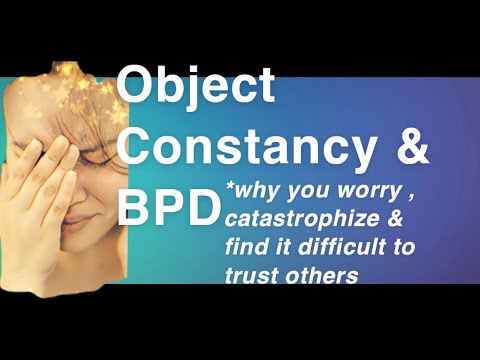
You know that feeling when you’re with someone, and it seems like everything’s perfect? Then they leave the room, and suddenly, it’s like they never existed. Crazy, right? That’s kind of what we’re talking about when we dive into object permanence.
So, object permanence is this cool concept from child development. It basically means understanding that things still exist even when you can’t see them. For folks with Borderline Personality Disorder (BPD), this can get a little tricky.
Imagine feeling super close to someone one minute and then panicking the next just because they’ve stepped away for a bit. That wild emotional rollercoaster can be tough! But don’t worry—there’s hope in how we tackle this in therapy.
Let’s explore how understanding this idea helps people work through their feelings and strengthen those connections. You ready? I promise it’ll be worth your while!
Effective Strategies to Overcome Devaluation in Borderline Personality Disorder
Devaluation can be a tough experience for anyone living with Borderline Personality Disorder (BPD). It’s that feeling where people or things you once valued suddenly seem worthless. A lot of times, this stems from a misunderstanding of object permanence, which is basically how we understand that objects and people continue to exist even when we can’t see them. So, let’s look at some ways to tackle this.
Understanding Object Permanence
When you think about object permanence, think of it like knowing your favorite ice cream is still in the freezer even when you’re not looking at it. For someone with BPD, if they feel abandoned or neglected, they might lose sight of someone’s importance in their life. You know, it’s like if the ice cream freezer is closed and forgotten—the ice cream feels gone for good!
Strategies to Overcome Devaluation
Here are a few effective strategies to help navigate these feelings better:
The Role of Support Systems
Having strong support systems can change everything. Surround yourself with understanding friends or family members who get what you’re going through. When you’re feeling devalued, having someone there who reminds you of your worth is priceless.
Focusing on these strategies plus the insight gained through therapy can help lessen the impact devaluation has on everyday life for those dealing with BPD. And remember: it takes time and patience—like making that perfect sundae! Keep building those skills bit by bit; you’ll get there!
Understanding the Onset of Borderline Personality Disorder: At What Age Does BPD Typically Manifest?
Borderline Personality Disorder (BPD) is a complex mental health condition that can really shake things up in one’s life. The thing is, understanding when it typically shows up is important for getting help. Generally, BPD starts to manifest in late adolescence or early adulthood, around the ages of 16 to 25. But you know, it’s not a hard and fast rule. Some folks might show signs even a bit earlier, while others could develop symptoms later on.
Now, what’s interesting is how object permanence ties into this whole picture. Object permanence is the ability to understand that objects still exist even when you can’t see them. It’s kind of like knowing your favorite toy is still in the other room even if you can’t see it right now. For individuals with BPD, issues with object permanence can affect their relationships and emotional regulation.
Here’s a quick rundown:
- During childhood, kids with emotional instability might struggle more with developing this concept.
- This difficulty can lead to intense fear of abandonment or unstable relationships.
- As they get older, unresolved feelings from these experiences often resurface during adolescence—when BPD traits start becoming pronounced.
Imagine someone who always felt like their loved ones would disappear at any moment. This fear can make them clingy or cause outbursts when they perceive that someone is pulling away—even if it’s just for a short time. Those ups and downs? They’re tied closely to how well someone understands that person will return or still exists emotionally, even when physically absent.
So why does age matter? Well, catching BPD symptoms early on helps lead to effective treatment options like therapy or support systems that target these fears directly—especially focusing on improving object permanence skills. Treatments like Dialectical Behavior Therapy (DBT) often take this into account and try to build those emotional skills.
In essence, recognizing the signs of BPD as they start to surface during those teenage years can be crucial for managing it effectively later in life. Addressing those foundational struggles with attachment and object permanence might just make all the difference down the line!
Effective Strategies for Disciplining a Child with Borderline Personality Disorder
Disciplining a child with Borderline Personality Disorder (BPD) can feel like navigating a minefield sometimes. The thing is, kids with BPD often struggle with intense emotions, impulsivity, and relationships that can feel really chaotic. So, when it comes to discipline, it’s important to approach things thoughtfully and compassionately. Here are some strategies that can be effective.
Consistent Boundaries
Kids thrive on routine and knowing what to expect. Setting clear, consistent boundaries helps them feel safe. For example, if you say “no” to something one day, stick to it the next day too. If they know the rules won’t change without warning, they might not react as intensely when things don’t go their way.
Emotional Validation
It might sound simple but acknowledging a child’s feelings can make a huge difference. When they’re upset or frustrated, let them know that it’s okay to feel that way. Saying something like «I understand you’re feeling angry right now» helps them feel heard. This doesn’t mean you have to agree with their behavior; you’re just recognizing what they’re experiencing.
Teach Coping Skills
Children with BPD often find it hard to manage their emotions. Teaching them healthy ways to cope is essential! You could introduce techniques like deep breathing or counting to ten when they start feeling overwhelmed. Practicing these skills together in low-stress moments makes it easier for them to use them when tempers flare.
Using Visual Aids for Object Permanence
Object permanence refers to understanding that something continues to exist even when it’s out of sight—like a favorite toy left in another room. Kids with BPD might struggle with this concept and may feel abandoned easily when not in close contact with loved ones. Using visual schedules or charts showing daily routines can ground them and help reinforce that people and care are always there—even if they can’t see you right at that moment.
Create Safe Spaces
Having a designated area where your child can go when they’re upset can provide an immediate outlet for their feelings. Fill this space with comfort items: stuffed animals, soothing music, or even art supplies for expression through creativity!
Positive Reinforcement
Catching your child doing something well? Praise them! Positive reinforcement encourages good behavior more effectively than just focusing on the negative stuff all the time. It builds their self-esteem which is crucial for kids dealing with intense emotions.
Remember: working together as a team is key! Try involving your child in creating these rules and agreements; it gives them a sense of control over their environment while helping reinforce those connections that strengthen emotional stability over time.
In short—disciplining a child with BPD isn’t about punishment; it’s about guidance and support so they can grow into emotionally healthy adults who better understand themselves—and others—too!
You know, it’s kind of wild how something so simple as object permanence can have such a big impact on our feelings and relationships. Like, think about it: when you were a kid and your favorite toy was out of sight, you might’ve thought it disappeared forever. But once you figured out that the toy still existed—even when you couldn’t see it—it changed the way your brain worked, right?
Now, let’s connect that to borderline personality disorder (BPD). People with BPD often struggle with this concept. They might feel like people they care about are gone or don’t love them anymore when there’s distance or conflict. It brings up this fear of abandonment—huge for someone dealing with BPD—because if someone isn’t present in their life physically or emotionally, it feels so real, like they’re just… gone.
I remember a friend who went through therapy for BPD. She shared how every time her partner had to travel for work, she’d spiral into these feelings of darkness and insecurity. It was like the absence created this void that felt enormous. She’d think he didn’t care or wouldn’t come back. But through therapy, she slowly started to grasp that just because someone isn’t right there doesn’t mean they don’t exist in her life or love her.
This realization can be liberating! Seriously! Therapy often helps folks with BPD learn coping tools and communicate their needs better. They can work on building trust in relationships—not only in others but also in themselves. When they start understanding object permanence on an emotional level, they begin to feel safer and less anxious during those times apart.
It’s fascinating how such a basic idea we learn as kids can echo throughout our lives in complex ways! So yeah, while object permanence seems simple at first glance, it’s basically foundational for emotional stability—especially for those navigating the ups and downs of BPD treatment. That connection between understanding emotions and relationships is so vital; it can change everything for someone going through that journey.