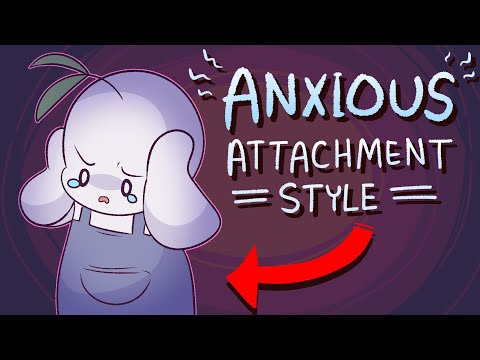
You ever find yourself clinging to someone a little too hard? Like, your heart races if they don’t text back within five minutes? Yeah, that kinda obsession can creep in when you really care. But hey, it can get super overwhelming.
Obsessive attachment in relationships is a wild ride. One moment you’re all butterflies and love songs. The next, you’re spiraling into anxiety just thinking about being apart. Totally exhausting, right?
So, what gives? Well, it’s about finding that balance between love and independence. You don’t want to drown in your emotions or push people away.
Let’s chat about how to navigate those feelings and chill out a bit. Seriously, it’s all about creating healthier connections without losing yourself along the way. Sound good?
Understanding the Most Challenging Attachment Style to Overcome: Insights and Strategies
So, let’s talk about attachment styles. They’re like the emotional blueprints you get from your early relationships, and they shape how you connect with others later in life. One of the trickiest ones to deal with is obsessive attachment, often tied to an anxious attachment style. This can make your relationships feel like a rollercoaster ride—full of ups and downs, anxiety, and sometimes even a bit of despair.
When you find yourself obsessively attached to someone, it might look like constantly needing reassurance or feeling panicked if things aren’t going perfectly. You might think about them all the time, getting lost in worries about their feelings towards you. And when they’re not around? Yikes! It can feel like a storm of insecurity swirling inside.
The thing is, this level of attachment usually stems from early life experiences. Maybe there was inconsistency in your caregivers’ availability or maybe you felt neglected at times. So now, as an adult, you’re on high alert whenever there’s any hint of emotional distance.
- Recognizing the Patterns: Start by taking a good look at your behavior and feelings in relationships. Do you feel insecure often? Are you overly clingy or find yourself checking your partner’s social media obsessively? Acknowledging these patterns is key.
- Journaling: Writing down your thoughts can be super helpful. You might notice triggers that make your anxiety spike or behaviors that lead to feelings of jealousy or insecurity.
- Self-Soothing Techniques: Find ways to calm yourself down without relying on your partner. Deep breathing exercises or even just taking a walk can help ground you when those obsessive thoughts start creeping in.
- Open Communication: If you’re feeling anxious about something specific, it’s totally okay to talk it out with your partner. Just be honest about how you’re feeling instead of letting those worries fester inside.
- Therapy: Seriously consider talking to someone professional if it feels overwhelming. Therapy can provide insights into why you have these patterns and teach you healthier ways to relate to others.
You don’t have to navigate this alone! Remember that overcoming obsessive attachment takes time and patience—like trying to change any habit. One thing I’ve seen is how powerful support groups can be too; connecting with others who understand what you’re going through helps normalize everything, making it feel less isolating.
An example: Imagine Sarah who always felt her dad wasn’t emotionally available growing up. As an adult, she found herself desperately clinging onto her boyfriend for fear that he’d leave her just like she felt abandoned before. After some tough self-reflection and therapy sessions, she learned how to build trust within herself first—the neediness started fading away as she grew more secure in who she was.
The journey may not be easy but each small step forward counts! So keep at it; understanding yourself better is seriously empowering! Embrace the process because healing takes time but also brings real freedom—like finally stepping off that emotional rollercoaster for good!
Overcoming Attachment Issues in Relationships: Practical Strategies for Healthy Connections
Alright, let’s talk about attachment issues in relationships. You know, those times when you feel super glued to someone or maybe a bit too dependent on them? It can get intense, and figuring it out isn’t always easy.
First off, let’s break it down. Attachment styles come from how we bond with caregivers as kids. If you had a consistent, loving environment, you’re likely to have a secure attachment style. But if things were rocky or unpredictable, you might struggle with obsessive attachment in your relationships now.
So what does that look like? Imagine you’re constantly worried your partner is gonna leave. You check their messages when they’re not around or feel anxious when they don’t reply right away. It’s like needing constant reassurance that they care. Sound familiar?
Now let’s get into some practical stuff that can help you overcome these issues:
- Acknowledge Your Feelings: Seriously, just letting yourself feel what you feel is a big deal. It’s okay to admit you’re struggling with attachment.
- Self-Reflection: Take some time to think about your past experiences and how they shape your current behaviors. Write it down if that helps!
- Communicate Openly: Talk to your partner about what you’re feeling. They can’t read your mind! A good partner will want to understand where you’re coming from.
- Create Boundaries: This might sound strange at first, but having personal space in a relationship is key. Schedule alone time or hobbies just for yourself!
- Cultivate Independence: Find things you love doing solo! Maybe it’s reading or volunteering—whatever helps you build confidence outside of the relationship.
- Practice Mindfulness: Being present can keep those spiraling thoughts at bay. Try meditation or just focus on your breathing when anxiety hits.
- Seek Guidance: Don’t hesitate to reach out for help! A therapist can provide great tools and insights tailored specifically for you.
I remember chatting with a friend who had super clingy tendencies in her relationships. After realizing this was tied to her childhood experiences of feeling neglected at home, she started journaling her feelings and communicating honestly with her boyfriend. They even set boundaries together that allowed for more personal time! Guess what? Their connection improved because she felt more secure within herself.
The thing is, overcoming attachment issues takes time, patience and effort—kind of like working out! But the payoff is worth it. You’ll find yourself more grounded in your relationships and better able to enjoy them without the extra weight of anxiety dragging you down.
A healthier relationship means less stress for both of you and way more room for genuine love and connection!
Understanding Obsessive Attachment Disorder: Symptoms, Causes, and Treatment Options
Obsessive Attachment Disorder can be a really tough thing to deal with, especially when it comes to relationships. It’s like you’re stuck on someone, and that feeling just won’t let go. Let’s break it down: what it is, what causes it, and how you can work on overcoming it.
Symptoms of obsessive attachment often show up in different ways. You might find yourself constantly needing reassurance from your partner or getting really anxious when they’re not around. It can even become overwhelming—like checking their social media every few minutes or feeling jealous if they hang out with friends. Here are some signs to look out for:
- Extreme fear of abandonment.
- Constantly needing validation from your partner.
- Difficulty trusting your partner, even without reason.
- Overthinking conversations or situations related to your relationship.
- A need to control aspects of your partner’s life.
You know, the causes of this often trace back to early experiences. Sometimes, people develop these attachment styles due to past traumas or inconsistent parenting. Picture this: a kid who was always told they weren’t good enough might grow up craving constant approval in their adult relationships. And hey, it makes sense! If you feel insecure deep down, you might cling onto someone who makes you feel safe.
Treatment options do exist, so don’t lose hope! A lot of folks start by talking to a therapist who specializes in attachment issues. They’ll help you understand where these feelings come from and how they impact your relationships. Therapy types like Cognitive Behavioral Therapy (CBT) can be super effective because they teach you new ways of thinking and coping strategies.
You might also consider support groups—where you can share experiences with others who get what you’re going through. These connections can be incredibly validating! Group therapy lets you see that you’re not alone in dealing with obsessive attachment patterns.
And let’s not forget about self-care; it’s crucial! Building independence is key too—finding hobbies that make you happy outside of the relationship helps shift the focus back to yourself instead of fixating on someone else all the time. Seriously, give yourself permission to enjoy life beyond just being tied to another person.
If you’re feeling overwhelmed by these attachments habits, know that change is possible! With effort and support from understanding friends, therapists, or groups, you can move towards healthier relationships where both partners feel secure and valued without that heavy clinginess weighing things down.
Obsessive attachment in relationships can feel like running a marathon with a boulder on your back. You want to move forward, but all this weight just holds you down. You might find yourself constantly checking your partner’s phone or worrying about every little thing they do. And honestly? It can drive you and them a little nuts.
I remember talking to my friend Sarah, who went through something similar. She was super close with her boyfriend, but it got to the point where she couldn’t enjoy a night out without texting him every five minutes. It was like she thought if she stopped focusing on him for even a second, everything would crumble. One day, they had this big fight because he wanted to hang out with his friends without her. She felt abandoned; he felt suffocated. A classic case of two people not really seeing what was going on.
The thing is, obsessively clinging to someone usually comes from deep-seated fears—maybe fear of being alone or not feeling worthy of love. When those fears take over, you start acting out in ways that aren’t healthy for anyone involved.
You’ve gotta remember that relationships should be about connection and support, not control and anxiety. Finding balance is key! A good place to start might be working on yourself: figuring out what triggers these feelings and learning how to manage them.
Therapy can also be super helpful for unpacking these emotions. Talking it out with someone who’s trained in the field helps tremendously! They can guide you through those rough patches and teach you coping skills that make it easier to create healthy boundaries—both for yourself and your partner.
And don’t underestimate the power of communication! Expressing your feelings—when you’re able—can help your partner understand where you’re coming from instead of feeling attacked or confused. It’s about working together as a team rather than playing tug-of-war.
So yeah, overcoming obsessive attachment isn’t easy, but it’s totally doable with the right mindset and tools—and you’ll likely end up with stronger relationships that don’t feel like an anchor dragging you down!