Hey! You know how work can sometimes feel like a rollercoaster? One minute you’re on top of the world, and the next, you’re just trying to keep your head above water. It’s a real thing, right?
Well, mental wellness in the workplace isn’t just a buzzword—it’s something we really need to think about. It’s like checking the oil in your car; if you neglect it, things can get messy fast.
When our mental health is good, we’re happier and more productive. It makes a difference in everything we do! So let’s chat about some ways to promote that positive vibe at work. Sound good?
Boosting Mental Wellness in the Workplace: Effective Strategies for a Healthier Work Environment
Workplace mental wellness, huh? It’s super crucial, especially with the daily grind we all face. Seriously, sitting at a desk all day or dealing with demanding bosses can really wear you down. Let’s break down some effective strategies to create a healthier work environment that genuinely boosts mental wellness.
Encourage Open Communication
First off, make it a norm for folks to chat about their feelings and stress levels. When people feel safe sharing what’s on their mind, it helps to build trust. You know how sometimes just talking about what you’re going through can lighten the load?
- Consider having regular check-ins or feedback sessions.
- Implement anonymous surveys to gauge how everyone’s doing.
Create a Supportive Culture
Next up is fostering a culture of support. When employees feel cared for, it really shows in their work and well-being. You could have peer support groups or even buddy systems where coworkers look out for each other. It’s like having a safety net!
- Have designated “wellness champions” who promote positive practices.
- Celebrate small wins together—recognition goes a long way!
Promote Work-Life Balance
Now, don’t underestimate the importance of work-life balance; it’s huge! It’s so easy to get sucked into endless hours of work and forget about personal time. Encourage taking breaks and not checking emails after hours.
- Pushing for flexible hours can be beneficial.
- Consider implementing “mental health days” off.
Create Relaxing Spaces
Ever thought about how your workspace affects your mood? Creating spaces where employees can unwind is essential. If possible, make a relaxation room or even just a quiet corner.
- Add plants or calming colors; they can really enhance the vibe!
- A space for mindfulness practices like meditation can be soothing too.
Offer Mental Health Resources
Lastly, you gotta provide access to mental health resources. This isn’t just about offering an Employee Assistance Program (EAP) but also providing workshops on stress management and resilience-building techniques.
- You might bring in experts occasionally for mindfulness or relaxation sessions.
- A library of helpful materials—books or articles—can be handy too!
So there you have it! By putting these strategies into action, you’re not only boosting mental wellness but also making your workplace more productive and enjoyable for everyone involved. Remember, happy employees equal happy workplaces!
Effective Strategies to Promote Mental Wellness: Your Guide to a Healthier Mind
Promoting mental wellness in the workspace is seriously important. A healthy mind contributes to a productive environment, and, you know, it keeps everyone feeling good. So, let’s talk about some effective strategies that can help boost mental wellness in occupational health settings.
Creating a Supportive Environment is key. It’s all about making sure employees feel safe and valued. Have open conversations about mental health. Encourage team members to share their feelings without judgment. When you create that kind of space, people are more likely to speak up when they need help.
- Flexible Work Schedules: Allowing flexibility can reduce stress levels significantly. For instance, if someone has a sick kid or needs personal time, letting them adjust their hours means they’re more focused and energized.
- Providing Resources: Offer access to mental health resources like EAPs (Employee Assistance Programs). These provide counseling services that can make a real difference for someone struggling.
Next up is Encouraging Healthy Habits. Physical health and mental wellbeing are connected more than you might think. Simple things like promoting regular breaks or offering yoga classes can help.
- Mindfulness Activities: Incorporate things like meditation sessions during lunch breaks. It’s amazing how just a few minutes of mindfulness can clear your head!
- Nutritional Support: Healthy snacks in the break room or even workshops about nutrition can impact mood and energy levels significantly.
Another excellent move is Cultivating Strong Relationships. Building connections with coworkers goes a long way in promoting good mental health.
- Team-Building Activities: These don’t have to be cheesy! Think escape rooms or volunteering together—anything that fosters teamwork helps strengthen those bonds.
- Mental Health Days: Allowing employees to take off days specifically for mental wellness shows that you value their overall health—not just productivity.
And here’s something crucial: Training Managers on Mental Health Awareness. Managers play such a pivotal role in shaping workplace culture.
- Sensitivity Training: Equip them with knowledge about mental health issues so they can offer support effectively when needed.
- KPI Adjustments: Make changes to how performance metrics are measured so they don’t put unnecessary pressure on employees.
Lastly, always keep an open channel for feedback. This isn’t just about listening once; it’s ongoing. Regular check-ins with employees regarding their mental wellness lets them know you care.
Sometimes small changes make all the difference in how people feel at work every day. It’s not rocket science—just being human and understanding each other better goes along way towards creating a healthier workspace for everyone involved!
Understanding Mental Health in the Workplace: A Comprehensive Guide (PDF Download)
Mental health in the workplace is a big deal. You might not realize it, but how you feel impacts your performance, relationships, and overall well-being. Seriously, it’s like the foundation of everything at work. When mental health is prioritized, the entire atmosphere improves.
So what exactly is mental health in this context? Well, it’s about how you manage stress, relate to others, and make choices. It influences your productivity and creativity. Think about that buddy who seems to be thriving at work—chances are they have a solid grip on their mental wellness.
- A culture of support is crucial. Organizations should foster an environment where mental wellness is openly discussed.
- Resources matter. Providing access to counselors or workshops can help employees feel cared for and understood.
- Flexible work schedules can ease stress. Sometimes you need a breather or some time to handle personal issues.
- Training for managers plays a key role. Educating them about mental health lets them recognize signs of distress in their teams.
You know how people often say that talking helps? Well, peer support groups can create safe spaces where employees share experiences without judgment. It’s empowering to realize you’re not alone in those struggles!
A quick example: imagine someone dealing with anxiety over deadlines. If they have support from their colleagues or management, they’re more likely to open up and seek help rather than suffer in silence.
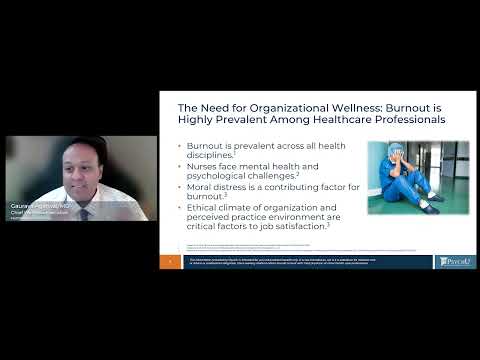
Also, consider the impact of burnout—it’s more common than most want to admit! Encouraging breaks during long working hours can seriously rejuvenate someone feeling overwhelmed. Small changes make a big difference!
To sum up, promoting mental wellness isn’t just a nice idea; it’s essential for both individuals and organizations as a whole. Keeping that balance boosts morale and productivity alike! Organizations should **really** think about initiating programs focused on mental health awareness and resources so everyone shows up ready to tackle the day!
It’s fascinating how just being mindful about these things creates healthier workplaces where people thrive! So let’s embrace this journey towards better mental health together—you got this!
Promoting mental wellness in workplaces is, like, super important. You know, a lot of people spend most of their waking hours at work. So if that environment isn’t supportive, it can really mess with your head.
I remember a friend who used to dread going to her job. The place was just so intense and stressful. She felt like she was constantly walking on eggshells, trying to meet all these unrealistic expectations. It wasn’t long before the anxiety started creeping in. Honestly, it made her physically sick at times. And it really got me thinking about how crucial a positive workplace atmosphere can be for mental health.
When organizations put effort into mental wellness programs, everyone can benefit—employees feel valued and are more productive, and employers see lower turnover rates and fewer sick days taken. It’s like a win-win situation!
Simple adjustments can have profound effects: flexible work hours, chill-out spaces where people can take breaks, or access to counseling services right there at work make such a difference. You know how sometimes just getting out of your desk makes everything look brighter? Well, imagine having that space to decompress without feeling weird about it!
Communication is another biggie. Encouraging open conversations about mental health can help break down stigma. If someone feels they can voice their struggles without fear of judgment or losing their job, that’s huge for creating an inclusive culture.
But here’s the thing: promoting mental wellness can’t just be about ticking boxes on a checklist; it needs genuine commitment from leadership down to every team member’s level. People need to feel that they’re supported not only when they’re crushing their goals but also when they’re struggling.
We all have our off days, you know? Just knowing there’s someone looking out for you makes those tough moments a bit easier to handle. In the end, it’s all about creating an environment where everyone feels seen and heard—where people don’t just survive but actually thrive!