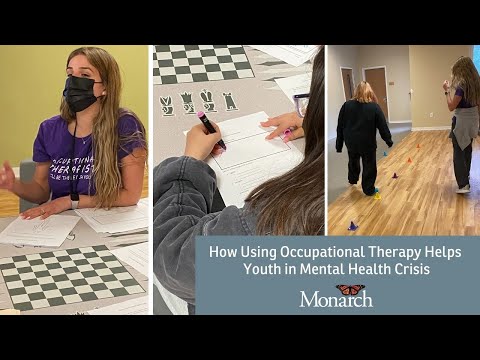
You know, when we think about kids, we often picture them running around, playing, and just being… well, kids. But what if I told you that sometimes they struggle more than we see? Mental health in children is a big deal.
And that’s where occupational therapy comes in. It’s not just about helping them with everyday tasks. No way! It’s also about boosting their emotional well-being and giving them the skills to handle life’s ups and downs.
Picture a child who feels overwhelmed at school or has trouble making friends. It can be tough to watch, right? That’s why understanding how occupational therapy can make a difference is super important.
So, grab a drink and let’s chat about how we can support our little ones’ mental health together.
Exploring Pediatric Mental Health Occupational Therapy Careers: Opportunities and Insights
Pediatric mental health occupational therapy is a field that’s not just about helping kids, it’s about giving them tools to thrive. You see, children can face all kinds of challenges, from anxiety to developmental disorders, and that’s where occupational therapists come in. They focus on making daily activities easier and more enjoyable for kids while also considering their mental health needs.
When you think about occupational therapy (OT), you might picture someone helping a kid with physical disabilities. But the truth is, OT professionals play a huge role in pediatric mental health too. They help children develop skills to cope with emotions, interact with others, and manage stressors in their lives—all through engaging activities!
Let’s break down some key opportunities in this career path:
- Therapeutic Techniques: Occupational therapists use play-based approaches to connect with children. Activities like arts and crafts or games aren’t just fun; they serve as tools for teaching coping strategies.
- Collaboration: Working alongside schools, parents, and other healthcare professionals is vital. You can’t tackle a child’s issues alone; teamwork is crucial.
- Diverse Settings: OTs can work in schools, hospitals, or outpatient clinics. Each environment offers unique experiences and challenges.
- Assessment: Before starting treatment, OTs assess children’s strengths and weaknesses. They create tailored intervention plans that fit individual needs.
Imagine being an OT who helped a child named Emma. She struggled with social anxiety and often felt overwhelmed at school. Through fun exercises like role-playing scenarios and using art projects to express her feelings, Emma learned how to communicate better with her peers—eventually even making new friends! Stories like Emma’s highlight the real impact OTs have on kids.
Another cool aspect of this career is the push for awareness of pediatric mental health issues. There’s been a growing understanding that mental health is just as important as physical well-being. More children are being diagnosed with conditions like autism spectrum disorder or ADHD that affect their emotional life.
And let’s not forget education! To become an occupational therapist specializing in pediatrics, you typically need a master’s degree in occupational therapy followed by supervised clinical hours focused on pediatrics. Many also pursue certifications specifically for pediatric OT.
In summary, diving into pediatric mental health through occupational therapy opens up doors filled with opportunities to make real changes in young lives. It’s about enhancing their ability to engage in life fully while addressing mental health needs directly—and how rewarding could that be?
Understanding Pediatric Mental Health Occupational Therapy Salaries: Trends and Insights
It’s really interesting to look into pediatric mental health occupational therapy, especially when you think about salaries. You know, these professionals play a crucial role in helping children who struggle with emotional or behavioral challenges. They work on everything from social skills to self-regulation.
Salaries in Pediatric Occupational Therapy can vary quite a bit depending on a few factors. First up, it’s all about location. Some states pay much more than others. For instance, major cities usually offer higher wages due to increased living costs.
Another thing that influences salary is experience. A therapist just starting out might make around $50,000 a year, while someone with several years under their belt could see that rise to $80,000 or even more!
Also, the kind of setting they work in matters too. For example:
- If they’re at a public school, salaries might be lower compared to private clinics.
- Working in hospitals often pays better due to the demand for specialized care.
- Position level counts as well; supervisory roles naturally earn more.
Then there’s the whole issue of certifications and specialized training. Therapists with additional credentials—like working specifically with autism spectrum disorders—can command higher fees for their expertise.
Current Trends show that there’s increasing awareness about mental health needs for kids. This means more funding and opportunities in schools and clinics aimed at addressing these issues early on. So basically, the job market is growing!
However, it’s not all sunshine and rainbows. There are still challenges like burnout or managing high caseloads which can affect job satisfaction and longevity in the field.
Finally, let’s not forget about benefits! Many occupational therapists receive health insurance, retirement plans, and paid time off which adds real value beyond just salary.
Overall, focusing on pediatric mental health through occupational therapy is vital—not just for kids’ immediate needs but also for long-term wellbeing. And as this field grows and evolves, those salaries will likely shift too!
Enhancing Autism Support: Effective Occupational Therapy Strategies You Can Use at Home
Occupational therapy (OT) can be a real game changer for kids with autism. You might be wondering how OT strategies can help at home, and honestly, the possibilities are pretty awesome. The goal is to help your child develop skills that make daily life easier and more fun. Here’s a closer look at some effective strategies you can use.
Understanding Sensory Processing is crucial. Kids with autism often experience sensory overload or may not react to sensory inputs the same way others do. You could create a sensory-friendly space in your home where they can feel calm and focused. Think soft lighting, noise-canceling headphones, or even a weighted blanket—they really help some kids feel secure.
Another thing you might want to consider is establishing routines. Children thrive on predictability, and having a consistent schedule can make all the difference. Try making a visual schedule with pictures of daily activities—like getting dressed, brushing teeth, or mealtime. This not only helps them know what’s coming next but also gives them a sense of accomplishment when they tick off each task.
Motor Skills Development is another area OT targets. Simple activities can help strengthen fine motor skills which are super important for things like writing or buttoning shirts. You could set up playtime with building blocks, playdough, or even arts and crafts. These are fun and sneaky ways to work on those skills!
And let’s talk about social skills training. Kids with autism sometimes struggle to connect with peers but there are many creative routes to improve this area at home. Role-playing different social scenarios can be helpful—you know? Like taking turns in games or practicing greetings. It makes social situations less intimidating.
Another great approach is using visual supports. Visual aids like charts or social stories can be very effective in teaching children about appropriate behavior in various situations. For instance, you could create a story that illustrates what to expect at family gatherings—so they feel prepared instead of overwhelmed.
Don’t forget about incorporating interests into learning. If your child loves trains, for example, you could use train-themed worksheets or books during learning time. This makes it easier for them to engage because it’s something they actually enjoy!
Lastly, try mindfulness activities. It’s all about staying present and can help reduce anxiety levels too! Things like deep breathing exercises or simple yoga poses can be especially useful tools for calming down when emotions get high.
So yeah, enhancing autism support through occupational therapy isn’t just something left to the professionals; there are tons of ways you can bring those strategies home! Just remember that every child is unique—what works wonders for one might not resonate as well with another—and that’s totally okay!
Alright, so let’s talk about pediatric mental health and how occupational therapy can seriously make a difference. You know, kids go through a lot. Whether it’s school stress, family issues, or just the everyday ups and downs of growing up, their little minds can get pretty overwhelmed. I remember my niece once came home from school in tears because she felt like she just couldn’t keep up with her friends. It broke my heart to see her so stressed out at such a young age.
Occupational therapy (OT) might sound all clinical and stuff, but it’s really about helping kids do what they need to do in life—like play, learn, and socialize. It focuses on everyday activities that are meaningful for them. So if a kid is struggling with anxiety or social skills, OT can help them find ways to manage those feelings and navigate tricky situations.
The thing is, OT doesn’t just throw solutions at them; it tailors strategies to meet each child’s unique needs. For some kids, that could mean working on sensory integration—basically helping them deal with overwhelming sights or sounds that can really mess with their heads. For others, it might involve developing coping strategies for when they’re feeling anxious or helping them build social skills through interactive games or role-playing scenarios.
Can you picture a cozy room filled with colorful toys where a therapist encourages a shy child to interact? That’s the beauty of OT—it creates safe spaces for kids to express themselves while learning valuable skills along the way.
Let’s face it: mental health isn’t just an adult problem. Kids need support too! By using occupational therapy as part of their care plan, we’re investing in their future happiness and resilience. And honestly? That feels pretty good knowing we’re giving our little ones the tools to handle life’s craziness right from the start!