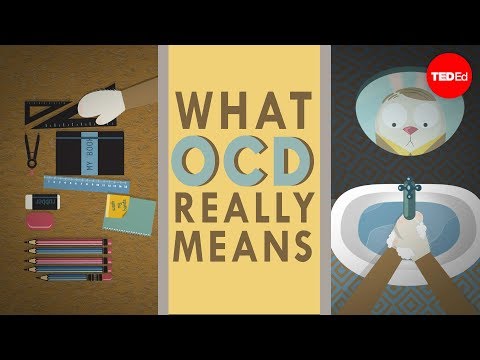
You know, OCD is one of those things that sounds simple but can be pretty complex. Like, it’s not just about being a neat freak or washing your hands a lot.
Seriously, there’s so much more going on under the surface. Imagine having these racing thoughts that just won’t quit and feeling like you have to act on them. It’s exhausting!
A friend of mine once told me how she couldn’t leave her house without checking the locks ten times. I mean, she was late to everything because of it!
So yeah, let’s chat about what OCD really looks like and how it messes with your mental health. It’s time to break it down together in a real way.
Understanding the Emotional Impact of OCD: Insights and Strategies
Obsessive-Compulsive Disorder, or OCD, can feel like a never-ending cycle of anxiety and control. You might find yourself trapped in a loop where intrusive thoughts pop up, and then you feel compelled to perform certain rituals to ease that nagging discomfort. It’s exhausting.
Basically, the emotional impact of OCD can be overwhelming. Imagine you’re sitting in a quiet room, and suddenly your mind starts racing with worries: What if I leave something on? What if I get sick? You know those thoughts aren’t really true, but they keep coming back, making you feel anxious and restless.
Now, those obsessions trigger anxiety—like your brain is on high alert. To cope, you might engage in compulsions: washing your hands repeatedly or checking locks over and over again. It’s a bit like trying to quell a storm using a tiny umbrella. The thing is, while those compulsions might provide temporary relief, they often make the situation worse in the long run.
- Anxiety level: Your anxiety can skyrocket because you’re constantly fighting against these intrusive thoughts.
- Isolation: Many people with OCD withdraw from social situations to avoid public embarrassment stemming from their compulsions.
- Self-esteem hits: Feeling out of control can lead to low self-esteem as you question yourself—what’s wrong with me?
I remember talking to someone who struggled with this. She would spend hours in her bathroom, washing her hands until they were raw. Every time she stepped out of the house, she felt this crushing weight of fear that she hadn’t checked everything properly. It affected her job and relationships; the emotional toll was heavy.
No doubt, OCD is more than just quirky habits; it bleeds into every part of life. And trying to manage it alone can feel isolating. That’s why it’s super important to reach out for help when things get tough.
If you’re dealing with OCD or know someone who is grappling with it, there are some strategies that might help ease that emotional burden:
- Cognitive Behavioral Therapy (CBT): This approach helps reframe negative thought patterns and develop healthier coping strategies.
- Exposure and Response Prevention (ERP): Basically exposing yourself to your fears gradually while avoiding the compulsive response can build resilience over time.
- Meditation and mindfulness: Finding time for relaxation exercises can help anchor your thoughts during moments of anxiety.
Your mental health journey is uniquely yours too! Finding supportive communities or groups sharing similar experiences can also provide comfort. So whether it’s through professional help or peer support, tackling these feelings head-on could make all the difference.
The emotional impact of OCD isn’t something we should brush off—it’s real and significant. But remember: you’re not alone in this fight against obsessive thoughts and rituals! With some positive strategies up your sleeve and support from others, you’ve got every chance at reclaiming control over your life again.
Understanding the 4 Types of OCD: A Comprehensive Guide to Symptoms and Treatments
Certainly! Here’s a concise overview of the four types of OCD, focusing on their symptoms and treatments.
Obsessive-Compulsive Disorder (OCD) can be a tough journey for many. It usually involves obsessive thoughts and compulsive behaviors. But did you know there are actually different types of OCD? Let’s break them down.
- Contamination OCD: This is probably the one most people think of. Folks worry about germs, dirt, or toxins. You might wash your hands excessively or avoid places that feel “dirty.” The obsession can feel overwhelming, like wearing gloves everywhere just to keep safe.
- Harm OCD: This one can be pretty distressing. People might fear they’ll harm themselves or others, even without wanting to. That nagging thought—“What if I accidentally hurt someone?”—keeps popping up. To cope, someone might avoid sharp objects or even people altogether.
- Symmetry and Order OCD: This type revolves around needing things to be arranged in a certain way or in perfect order. Imagine aligning your books on a shelf perfectly or feeling anxious if something looks “off.” It’s all about that need for balance and harmony in your surroundings.
- Intrusive Thoughts OCD: With this type, the thoughts are often violent or taboo. They invade your mind unexpectedly and create enormous anxiety. You might find yourself repeatedly questioning your morals or sanity which just adds stress to everyday life.
Symptoms vary widely among individuals but they all share that same cycle of obsessions leading to compulsions, which provides temporary relief but often makes things worse long-term.
Now about Treatments. There are options available!
For many people, therapy plays a crucial role:
- Cognitive-Behavioral Therapy (CBT): Specifically Exposure and Response Prevention (ERP) is key here. In ERP, you gradually face those intrusive thoughts while learning not to act on those compulsions.
- Medications: Certain antidepressants can help reduce symptoms for some folks by balancing brain chemistry a bit better.
- Meditation and Mindfulness: While not traditional treatments, these practices can help ground you during an anxiety spike, allowing you to detach from those racing thoughts.
You know what’s hard? Searching for help when you’re stuck in the cycle of OCD is tough! One friend told me how freeing it felt when she finally started talking to someone about her struggles with contamination fears—it opened doors she didn’t even know existed!
So if you’re navigating this maze called OCD—remember it’s okay to reach out for support; understanding it is half the battle!
Understanding the Daily Impact of OCD: Coping Strategies and Insights
OCD, or Obsessive-Compulsive Disorder, is more than just being neat or organizing things. It’s a serious condition that affects daily life in some pretty intense ways. Imagine waking up every morning with your mind racing about all the things that could go wrong if you don’t do certain rituals. That’s a glimpse into the world of someone with OCD.
People often experience **intrusive thoughts**—these are unwanted ideas that pop into your head and just won’t go away. You might think about something terrible happening, like a loved one getting hurt. And then comes the **compulsion**: that overwhelming urge to do something to prevent it, like checking locks or counting steps over and over again. The problem? These compulsions can take an incredible amount of time and energy, making everyday tasks feel impossible.
In terms of coping strategies, there are several things that can help you manage OCD symptoms effectively:
- Exposure and Response Prevention (ERP): This involves gradually facing fears without resorting to compulsive behaviors. For instance, if you’re afraid of germs, you might start by touching something slightly “dirty” and then refrain from washing your hands immediately.
- Mindfulness and Relaxation Techniques: Practices like meditation can help calm your mind and reduce anxiety levels. Deep breathing exercises can also be a game changer when those intrusive thoughts hit hard.
- Cognitive Behavioral Therapy (CBT): This is a popular approach where you learn to recognize distortions in your thinking and develop healthier thought patterns around your obsessions.
- Support Groups: Connecting with others who understand what you’re going through can provide comfort and practical tips from shared experiences.
You know, sometimes it feels like the little things become monumental tasks when you’re dealing with OCD. Just last week, my friend was telling me how she spent nearly two hours just making sure her stove was off before she could leave her house. That’s not unusual for someone with OCD.
Then there’s medication too. While it’s not for everyone, some find relief with certain antidepressants that can help balance brain chemistry related to anxiety disorders.
But remember: what works for one person may not work for another! It’s often about finding the right combination of strategies that suit you best.
Living with OCD isn’t easy—every day presents its own unique challenges. But understanding what you’re dealing with is half the battle! Recognizing those intrusive thoughts for what they are—that they’re just thoughts—can start to take away their power over you.
There’s no one-size-fits-all solution here, but patience and persistence are key as you navigate this journey toward feeling better day by day. So hang in there; small victories matter!
OCD, or Obsessive-Compulsive Disorder, can be a tricky thing to wrap your head around. I remember talking with a friend once who had been struggling with it for years. She’d share how certain thoughts just wouldn’t leave her alone and how she felt this crazy urge to do things repeatedly, like checking if the door was locked or the stove was off. It wasn’t just a little habit; it controlled her life in ways most people couldn’t understand.
The thing is, OCD isn’t about being overly tidy or organized. Sure, that’s a common misconception. It’s much deeper than that. People with OCD deal with persistent, unwanted thoughts that create significant anxiety. These obsessions can make you feel trapped in your own mind. You might think about something terrible happening over and over again, and then that anxiety pushes you to perform specific compulsive behaviors to reduce those feelings. Like washing your hands until they’re raw because you’re terrified of germs.
In terms of mental health effects, well, they can be pretty considerable. Living with OCD can lead to feelings of isolation and frustration. Imagine wanting to enjoy a simple day out but feeling like you have to complete a series of rituals before you even step out the door. That can pile on stress like nobody’s business! And there are times when it makes socializing seem impossible since some compulsions might feel too embarrassing to explain.
And let’s not forget how this all affects relationships too—friends and family might struggle to understand why someone behaves that way or feels the need to double-check everything multiple times. This misunderstanding can add another layer of emotional strain.
On top of that, if left untreated, OCD can co-occur with other mental health issues like anxiety disorders or depression. That’s just adding fuel to the fire! But here’s some good news: treatments are available! Therapy options like Cognitive Behavioral Therapy (CBT) have helped many people regain control over their lives.
So yeah, when discussing OCD and its effects on mental health, it’s clear this disorder is more than just quirks; it’s a serious condition requiring understanding and support from both loved ones and professionals alike. Every step toward understanding helps lift some weight off those who are suffering from it—and that matters big time!