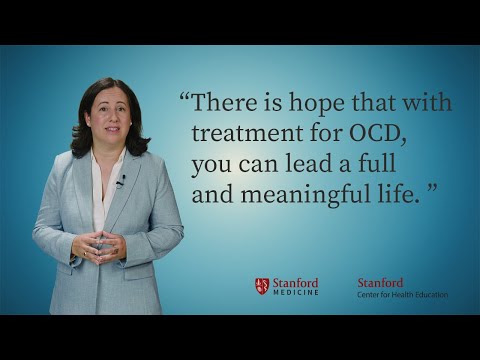
So, OCD. It’s one of those things that sounds kinda simple but can be a real pain in the neck, right? You know, those obsessive thoughts and compulsive behaviors? They can really take over your life.
And if you’ve ever felt stuck in that loop, you’re not alone. Seriously, tons of folks deal with this. The good news is there are ways to manage it—like medication. It’s not a magic fix, but it can help you find some peace.
But wait! It’s not all about popping pills and hoping for the best. There’s a whole conversation to be had about how meds fit into the bigger picture of coping with OCD. So stick around; we’re gonna break it down together!
Exploring the Most Effective Treatment Options for OCD: A Comprehensive Guide
Obsessive-Compulsive Disorder (OCD) can feel like this constant, frustrating loop of unwanted thoughts and repetitive behaviors. Seriously, it can take a toll on your daily life, but the good news is that there are several treatment options available. Let’s break it down.
Cognitive Behavioral Therapy (CBT) is one of the most effective treatments. In particular, a style called Exposure and Response Prevention (ERP) is key. Basically, you expose yourself to those obsessive thoughts in a controlled way and then learn to avoid the compulsive behaviors that usually follow. I met someone once who struggled with handwashing rituals; through ERP, they learned to manage their anxiety about germs without needing to scrub for hours.
Medications can also play a big role in treatment for OCD. Selective Serotonin Reuptake Inhibitors (SSRIs) are often prescribed. These meds help increase the levels of serotonin in your brain, which can ease those obsessive thoughts. Some common SSRIs include fluoxetine and sertraline. It’s worth mentioning that finding the right medication might take some time and adjustments; what works for one person might not work for another.
Another option to consider is family therapy. Sometimes family dynamics can make OCD worse or complicate things further. Involving family members in therapy helps them understand what you’re going through and how they can support you better.
And don’t forget about self-help strategies. Practicing mindfulness or relaxation techniques like deep breathing or meditation can be really helpful too! You know, just taking a moment to breathe when everything feels overwhelming? That little act can make such a difference.
Additionally, joining support groups gives you that connection with others who get it—they know what it’s like to deal with OCD firsthand. It’s comforting knowing you’re not alone on this journey!
In summary, managing OCD typically involves a mix of therapies—like CBT with ERP—and possible medications such as SSRIs. Each person’s journey is unique: what works wonders for one person may not be quite right for another. The key is working closely with your mental health professional to figure out what fits best for you!
Top Medications to Manage OCD Intrusive Thoughts Effectively
Obsessive-Compulsive Disorder (OCD) can be a real challenge, especially when those intrusive thoughts start bumming you out. You know the ones—the kind that pop into your head uninvited and just won’t leave? It can feel overwhelming. But, here’s where medication can help manage those thoughts effectively.
First off, Selective Serotonin Reuptake Inhibitors (SSRIs) are often the go-to meds for OCD. They work by increasing serotonin levels in your brain, which can help reduce anxiety and the intensity of those pesky intrusive thoughts. Some common SSRIs prescribed for OCD include:
A lot of folks find relief with these meds, but it’s important to know they might take a few weeks to kick in—like, seriously, patience is key here!
Another option is Clomipramine, an older antidepressant that’s part of a class called tricyclic antidepressants (TCAs). It’s been shown to be effective in treating OCD symptoms too. While it might not be first-line treatment anymore, some people swear by it when other options don’t work.
And then there are anti-anxiety medications. While they don’t specifically target OCD itself, they can help with anxiety symptoms that often come along for the ride.
, like lorazepam (Ativan) or clonazepam (Klonopin), might be prescribed temporarily to help you cope during particularly tough times—just keep in mind there could be a risk for dependence if used long-term.
What happens if meds alone aren’t cutting it? Sometimes therapy combines best with medication. Cognitive Behavioral Therapy (CBT), especially Exposure and Response Prevention (ERP), is super effective for managing intrusive thoughts. The combo of talking things through while on meds can bring about some serious improvements.
You know what’s crucial though? Getting connected with a healthcare provider who really gets you. They’ll tailor the approach based on your unique experience and needs.
So yeah, while medications play an important role in managing OCD intrusive thoughts, they’re often just part of the puzzle. Making sure you have support through therapy helps build those coping skills too!
Top Medications for Managing OCD and Anxiety: A Comprehensive Guide
When it comes to managing OCD and anxiety, there are a few medications that really stand out. It can feel daunting at first, but understanding what’s available might just make things a bit easier. So, let’s break it down.
Selective Serotonin Reuptake Inhibitors (SSRIs) are often the go-to meds for both OCD and anxiety. They work by increasing serotonin levels in your brain, which can help boost your mood and manage those pesky intrusive thoughts. Some common SSRIs include:
- Fluoxetine (Prozac) – This one’s pretty well-known and usually considered effective.
- Sertraline (Zoloft) – Another popular choice, especially for anxiety disorders.
- Citalopram (Celexa) – A good option too; sometimes it’s easier on the side effects.
Now, just because these meds work for many people doesn’t mean they’re magic pills. Finding the right one might take time, but patience is key.
On the other hand, we’ve got Serotonin Norepinephrine Reuptake Inhibitors (SNRIs). These are kind of like SSRIs but also mess with norepinephrine levels in your brain. This dual action can be helpful for some folks dealing with anxiety or OCD.
- Duloxetine (Cymbalta) – Perfect if you’ve also got chronic pain mixed in with your anxiety.
- Venlafaxine (Effexor XR) – Great for generalized anxiety disorder; dose adjustments are crucial here.
And then there’s Benzodiazepines. These guys act quickly to calm you down when you’re feeling super anxious—almost like a safety net. But they’re often prescribed only for short-term use due to potential dependency issues.
- Lorazepam (Ativan) – Super effective in emergencies but best used sparingly.
- Alprazolam (Xanax) – This one’s familiar to many but should be treated with caution since tolerance can develop.
So here’s a little story to illustrate: I once knew someone who had struggled with OCD and anxiety their whole life. After years of trying different therapy methods without much luck, they finally gave medication another shot. With an SSRI and some support from a therapist, they started feeling more like themselves again. It wasn’t instant—there were bumps along the way—but it was a game-changer.
In addition to these options, there are also a few other treatments worth mentioning:
Atypical Antipsychotics, sometimes used alongside antidepressants if symptoms aren’t fully managed on their own.
- Quetiapine(Seroquel) – Can help reduce obsessive thoughts when combined with SSRIs or SNRIs.
- Ari-piprazole(Abilify) – Sometimes added as an adjunct treatment; not everyone needs it though.
Lastly, don’t forget that therapy is super important too! Medication can be incredibly helpful but pairing it with cognitive-behavioral therapy often leads to even better results.
Just remember that managing OCD and anxiety is usually not about finding one magic solution but rather exploring different avenues until something clicks. Everyone’s journey looks different so keep talking to your doctor about what’s working or not working for you!
Managing OCD can feel like a constant uphill battle. You’ve probably heard of obsessive-compulsive disorder—it’s that thing where your mind gets stuck in these endless loops of anxiety and worries, making you perform rituals or compulsions to ease the tension. But what if medication could help?
Now, I remember a friend of mine, Sarah. She always had this need for everything to be just right—like her pens had to be arranged perfectly on her desk or she’d get really anxious. When it became overwhelming, she decided to talk to a doctor about it. They discussed different medication options, which really shifted her perspective on managing her OCD.
There are several types of medications out there that can help ease OCD symptoms, particularly selective serotonin reuptake inhibitors (SSRIs). Okay, so basically SSRIs enhance the levels of serotonin in your brain. That’s a fancy way of saying they help improve mood and anxiety by blocking the reabsorption of serotonin into neurons. Kinda neat! Some common SSRIs include fluoxetine (Prozac) and sertraline (Zoloft). They often take a little while—like weeks—to kick in but can be life-changing when they do.
But let’s not forget about cognitive-behavioral therapy (CBT), which is an effective combo with medication! It’s all about tackling those obsessive thoughts head-on and learning healthier coping strategies instead of giving in to compulsions. Like Sarah found during her journey: medications helped mellow out her anxiety, allowing her space to work through some underlying stuff with her therapist without feeling completely overwhelmed.
Of course, no two journeys with OCD are the same—what works wonders for one person might not work as well for another. That’s why it’s super important to have those open conversations with your healthcare provider, so you can figure out what suits your needs best.
In the end, whether you’re considering medication or just exploring other options like therapy or lifestyle changes—it’s all about finding that balance that helps you regain control over your life again. Sarah’s story is proof that even when things feel messy and chaotic, there is hope and help available as you navigate through it all!