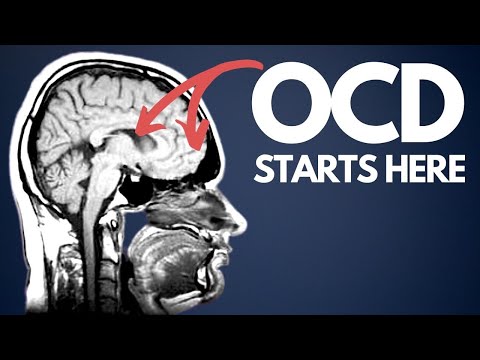
So, let’s chat about OCD for a sec. You know, that thing where your mind just can’t chill? It’s like having a playlist stuck on repeat.
A lot of folks think it’s just about being tidy or obsessed with order. But oh man, it runs way deeper than that.
For some people, it takes over their lives. And that’s where medication comes in—yep, the little pills that can sometimes help turn down the volume.
But how does that even work? What do they really do for you? Let’s break it down together!
Understanding the Role of Medications in Effective OCD Treatment
Obsessive-Compulsive Disorder (OCD) can be a real struggle. Seriously, it’s like your mind is on a never-ending loop of worries and compulsions. But here’s the deal: medications can play a pretty significant role in treating OCD, especially when combined with therapy.
Firstly, let’s chat about the most common type of meds used for OCD—**Selective Serotonin Reuptake Inhibitors (SSRIs)**. These medications work by increasing serotonin levels in your brain. So, what’s serotonin? It’s a neurotransmitter that helps regulate mood, anxiety, and even your sense of well-being. When these levels are off, it can contribute to the pesky symptoms of OCD.
Another class you might hear about is **tricyclic antidepressants** (TCAs). They’re not as commonly prescribed as SSRIs but can be effective too. The thing is, they come with different side effects that some people find uncomfortable.
Now you might wonder, “How does this actually help me?” Well, medication can significantly reduce obsessions and compulsions for many individuals. It doesn’t necessarily get rid of them completely but often makes them more manageable—a bit like turning down the volume on that irritating background noise.
But wait! Medications alone aren’t usually enough. That’s where therapy steps in—particularly **Cognitive Behavioral Therapy (CBT)** with a focus on Exposure and Response Prevention (ERP). This combo can be super effective! Basically, while meds help balance your brain chemistry, therapy teaches you how to confront those obsessive thoughts without giving in to compulsions.
You might ask how long it takes for meds to kick in. Good question! Generally, it can take several weeks before you start to feel the effects—like maybe 4 to 6 weeks. So patience is key! Sticking with your treatment plan during this time is really important for seeing results.
And here’s something else: You shouldn’t stop or change your medication without chatting with your doctor first. It could mess up your progress or lead to withdrawal symptoms that are no fun at all.
Finally, everyone reacts differently to medications—what works wonders for one person might not do much for another. That’s why ongoing communication with a healthcare provider is super important throughout this journey.
In summary:
- SSRIs are the go-to meds for treating OCD due to their effect on serotonin.
- Tricyclic antidepressants may help some but come with more side effects.
- Medication works best when combined with CBT, especially ERP.
- Be patient; it takes time to see results.
- Always consult a doctor before making any changes.
So there you have it—a look at how medications fit into the big picture of OCD treatment. With the right approach and support, managing OCD becomes not just possible but so much easier!
Top Medications for Managing OCD Intrusive Thoughts: A Comprehensive Guide
Sure thing! When it comes to managing OCD (Obsessive-Compulsive Disorder) and those pesky intrusive thoughts, medication can play a significant role alongside therapy. So, let’s break down the most commonly prescribed meds that help with this.
SSRIs (Selective Serotonin Reuptake Inhibitors) are the go-to meds for OCD. They work by increasing serotonin levels in the brain, which can help reduce anxiety and the frequency of those intrusive thoughts. Some of the most common SSRIs include:
A short anecdote: I had a friend who struggled with intrusive thoughts daily. He felt trapped in a cycle of compulsions that ate away at his time and energy. After trying therapy for a while without much change, his doctor suggested he try sertraline. Within a few weeks, he noticed those relentless thoughts were starting to fade. It was like lifting a fog.
Clomipramine, which is also an antidepressant but belongs to an older class called tricyclics, specifically targets OCD symptoms too. It can be effective but might come with some more side effects compared to SSRIs.
Now, aside from these main players, there are other options out there if SSRIs or clomipramine don’t do the trick:
You know, medication isn’t always a magic fix; it often takes time to find what really works for you. Plus, docs usually recommend combining meds with therapy techniques like CBT (Cognitive Behavioral Therapy) to get the best results.
So yeah, if you or someone you know is dealing with OCD and those intrusive thoughts just won’t quit, talking to a healthcare provider about medications could be super helpful. What works varies from person to person, but there’s definitely hope!
Top Medications for Managing OCD and Anxiety: A Comprehensive Guide
Talking about OCD and anxiety can be a bit tricky, especially when it comes to medications. But let’s break it down. In the realm of mental health treatment, medications play a significant role for many folks dealing with these conditions.
First off, OCD (Obsessive-Compulsive Disorder) and anxiety often go hand in hand. When you’re caught in the grip of these issues, everyday life can feel like a struggle. It’s totally normal to look for help through therapy or medications—or both!
Now, what are some common medications prescribed? Here’s a list you might find interesting:
You might be wondering, how do these meds actually work? Well, they influence the neurotransmitters in your brain—basically the chemicals that send signals between neurons. When serotonin is balanced out, people often find their anxiety lessens and their compulsive behaviors become easier to manage.
A friend of mine struggled with OCD for years before finding the right combination of an SSRI and CBT. He would spend hours double-checking that he locked his door before leaving home. It was exhausting! Once he started taking medication combined with therapy, he noticed his urge to check everything began to fade significantly.
But remember—it’s not always sunshine and rainbows with meds. Side effects are pretty common and can vary from person to person. Some may experience weight gain or fatigue while others might feel jittery or have trouble sleeping.
It’s super important to talk about any side effects with your doctor or therapist because they can help adjust dosages or switch medications if needed.
So if you’re considering medication for OCD or anxiety management, having open conversations with your healthcare provider is key! They’ll help tailor a plan that fits your unique needs—because one size definitely does not fit all when it comes to mental health.
And hey, don’t forget: Medication is just one piece of the puzzle! Combining it with therapy or lifestyle changes can make a big difference too.
In summary, there are various options available when it comes to managing OCD and anxiety through medication—with SSRIs leading the way in many cases. Just keep in mind that everyone’s journey is different; what works for one person might not work for another. So hang in there—you’re not alone on this path!
You know, when you think about obsessives compulsive disorder (OCD), it’s easy to focus on those deep-rooted rituals and habits that people feel they can’t escape. It’s like this invisible weight that can crush your spirit. I’ve seen friends struggle with it—like my buddy Mike, who felt compelled to check the locks on his door over and over before he could leave the house. I mean, it took him ages just to go out for ice cream.
So, medication plays a pretty significant role in managing OCD symptoms. There’s a type of medication called selective serotonin reuptake inhibitors (SSRIs) that’s often prescribed for OCD. What SSRIs do is boost the levels of serotonin, which is a brain chemical that helps regulate mood and anxiety. Some people find that meds like these help lessen the intensity of their obsessive thoughts and compulsive behaviors.
But here’s the thing: medication alone doesn’t usually cut it. It’s more effective when combined with therapy. Cognitive-behavioral therapy (CBT), especially exposure and response prevention (ERP), has shown some great results in tackling OCD head-on! In therapy, you might face your obsessions gradually while learning how to resist those compulsions.
Now, with medications, side effects can be a little tricky too. Some folks might experience nausea or headaches at first. But many eventually see improvements that make it worth hanging in there—kind of like adjusting to a new pair of shoes; they rub at first but start to feel comfy after some time.
That said, not everyone responds the same way to medication or therapy—which is totally normal! Finding the right combo might take time. It’s about working closely with your healthcare provider and figuring out what clicks for you.
In summary? OCD treatment is often a mixed bag—medication can definitely help ease some burdens but pairing it with therapy makes a world of difference. Plus, remember: you’re not alone in this fight! Hearing stories from others who understand helps lighten the load—even if it’s just knowing someone else gets what you’re going through.