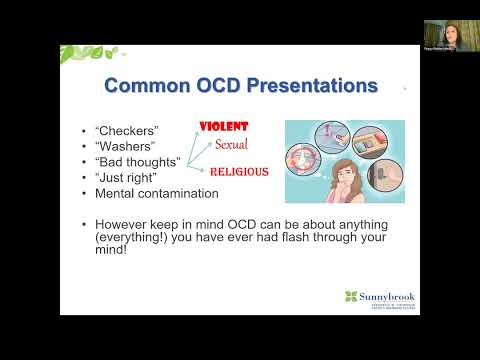
Okay, so let’s chat about OCD, yeah? It’s that thing that can really mess with your head. You know, that constant loop of worries and rituals that just won’t quit?
But there’s hope! Seriously. There are a bunch of effective therapy approaches out there. Some might even surprise you!
Imagine feeling less trapped by those nagging thoughts. Or breaking free from those compulsive behaviors. Sounds awesome, right?
In this piece, we’re gonna explore what really works in OCD therapy. No jargon or stiff talk—just real talk. Let’s dig in together!
Effective OCD Therapy Techniques: Strategies for Overcoming Obsessive-Compulsive Disorder
So, let’s chat about OCD, or Obsessive-Compulsive Disorder, and some effective therapy techniques. Living with OCD is no joke. It can be exhausting, right? The compulsions can take over your day and the obsessions just won’t quit. But hey, there are definitely ways to tackle this.
Cognitive Behavioral Therapy (CBT) is a biggie in treating OCD. This method is all about changing the way you think and react to those pesky obsessions and compulsions. One popular approach within CBT is called **Exposure and Response Prevention** (ERP). With ERP, you gradually face the things that trigger your anxiety without doing the compulsion that usually follows. So maybe if you’re scared of germs, you might touch a doorknob and then not wash your hands immediately afterward. It’s tough but super effective over time.
Another technique is Mindfulness. It’s about being present in the moment without judgement. When an intrusive thought pops into your head, instead of freaking out or acting on it, you just acknowledge it and let it drift away—like clouds passing through the sky. Mindfulness helps reduce that immediate panic.
You know how sometimes talking can be a relief? Well, Group Therapy can be really helpful too! Being around others who get what you’re going through gives you a sense of community. You share experiences and coping strategies together; it’s pretty powerful stuff.
Then there’s Medication. I don’t want to dive deep into this because it’s really personal to each individual situation, but some folks benefit from SSRIs (selective serotonin reuptake inhibitors), which help balance mood by increasing serotonin levels in the brain. If you’re considering this route, always have a chat with your doctor.
Self-Help Strategies can also play a role in managing OCD symptoms effectively:
- Journaling: Sometimes writing down your thoughts helps put them in perspective.
- Relaxation Techniques: Breathing exercises or yoga can help reduce overall stress levels.
- Scheduling Worry Time: Allow yourself a set amount of time to worry each day—kind of like giving yourself permission to feel anxious for a bit!
Each strategy has its own rhythm and vibe that might resonate with different people differently—there’s no one-size-fits-all here!
So remember: battling OCD takes time and patience; don’t be too hard on yourself if progress feels slow sometimes. Finding support from professionals who understand what you’re dealing with is super important too! Just take it one step at a time—every little bit counts on that journey towards feeling better!
Effective OCD Therapy Techniques: Downloadable PDF Guide
Obsessive-Compulsive Disorder (OCD) can feel like a heavy weight on your shoulders. You might find yourself stuck in loops of unwanted thoughts and repetitive behaviors. The surprising thing is, there are some really effective therapy techniques out there that can help you break free from this cycle.
One major approach to tackling OCD is called Cognitive Behavioral Therapy (CBT). In CBT, you work on changing the way you think about those pesky obsessions. You’ll learn to challenge the scary beliefs that fuel your compulsions. It’s kind of like giving your brain a little workout to get it back in shape.
Another technique commonly used is Exposure and Response Prevention (ERP). This part of CBT is all about facing your fears head-on, but in a controlled way. So, say you have an obsession with germs; a therapist might guide you to touch something you believe is dirty and then resist the urge to wash your hands right away. I know, it sounds tough! But slowly, over time, it can really help reduce anxiety.
So what makes these therapies effective? Here are some key points:
- Building awareness: Recognizing obsessions for what they are—just thoughts—helps lessen their power.
- Gradual exposure: Facing fears step by step helps desensitize your emotional response.
- Practice makes progress: Regularly working with a therapist means building strategies that stick.
But let’s not forget about medication! For some people, SSRIs, or selective serotonin reuptake inhibitors, can provide relief when paired with therapy. They help balance chemicals in the brain that may be contributing to those obsessive thoughts.
It’s important to remember that everyone’s journey with OCD looks different. One technique may work wonders for someone while another person needs more time or different strategies altogether. Finding the right combination often takes patience and experimentation.
Sometimes it helps to talk about how things feel because you’re not alone in this struggle! A friend of mine shared how they spent years battling OCD alone until they found a great therapist who introduced them to ERP. They described feeling like a new person after just a few months; no longer held captive by their own thoughts.
So if you’re looking for resources, many therapists offer downloadable PDF guides on effective OCD techniques that can complement therapy sessions nicely. These guides usually cover CBT basics, grounding exercises, and useful coping strategies.
Keep pushing forward! It’s totally okay if things take time—you’ve got this! You’re stronger than those obsessive thoughts trying to drag you down.
Understanding OCD Treatment Medications: Options, Effectiveness, and Side Effects
OCD, or Obsessive-Compulsive Disorder, can be a real struggle. You might find yourself stuck in loops of intrusive thoughts and repetitive behaviors. It’s tough, but the good news is that there are effective treatment options out there, including medications. Let’s break it down.
Types of Medications
When it comes to OCD, doctors usually recommend two main types of medications:
- SSRIs (Selective Serotonin Reuptake Inhibitors) – These are the most common meds for OCD. They work by increasing serotonin levels in the brain, which can help reduce those pesky symptoms.
- Clomipramine – This is actually an older medication that’s also effective for OCD. It falls under a class called tricyclic antidepressants. It affects serotonin too but in a slightly different way.
You might have heard of some specific names like fluoxetine (Prozac), sertraline (Zoloft), or escitalopram (Lexapro). They often help many people feel more balanced.
Effectiveness
So how reliable are these medications? The truth is, they work for a lot of people, though results can vary. Some folks notice improvements in a few weeks, while others might take longer to see changes. Studies show that around 40-60% of people with OCD find relief from their symptoms with SSRIs and clomipramine.
But here’s the catch: not everyone experiences the same benefits. It can be a bit trial-and-error to find what works best for you.
Side Effects
Now, let’s talk about side effects because they’re important too. Like any medication, SSRIs and clomipramine can come with their own list of unwanted guests:
- Nausea
- Drowsiness or insomnia
- Dry mouth
- Weight gain
- Sexual dysfunction
These side effects don’t happen to everyone though! Some people breeze through treatment without experiencing much at all. But if you do feel something off, it’s super important to chat with your doctor about it.
Anecdotal Experience
I remember talking to a friend who struggled with OCD for years before finally getting on medication. At first, she was hesitant about taking any pills because she feared side effects or feeling “different.” But once she found the right dosage and med—after trying a couple—she felt like she could finally breathe again. The constant anxiety didn’t disappear overnight but became manageable instead.
It’s such stories that remind us how personal this journey can be!
The Bigger Picture
Now here’s something to keep in mind: medications often work best when paired with therapy options like Cognitive Behavioral Therapy (CBT). So if you’re considering meds for OCD, ask your healthcare provider about combining them with therapy for more efficient treatment.
In summary, while medications like SSRIs and clomipramine may hold promise for managing OCD symptoms effectively—remember the importance of working closely with your healthcare provider to navigate options and potential side effects! Everyone’s experience is unique; what’s crucial is finding the right path that feels good to you.
When you think about OCD, it can feel like this overwhelming cloud hanging over you – the constant need to check things, the rituals that seem never-ending. I remember a friend of mine, Amy, who couldn’t leave her house without checking the locks at least ten times. It was exhausting for her and honestly kind of stressful for those of us around her! The thing is, OCD isn’t just about being neat or particular; it’s a real mental health condition that needs some thoughtful approaches to tackle.
So, how do we even start to deal with this? One effective way is through Cognitive Behavioral Therapy (CBT). CBT focuses on changing those pesky thought patterns that keep feeding into the anxiety and compulsions. For Amy, with some guidance, she learned to challenge her thoughts—like when she felt she absolutely had to check the door twice more just to feel okay. It’s not easy at all; it takes a lot of patience and practice.
Exposure and Response Prevention (ERP) is another technique often used in CBT. This one’s pretty intense because it involves facing those fears head-on but without doing the compulsive behaviors afterward. Basically, if someone fears germs and constantly washes their hands, ERP would encourage them to touch something “dirty” and then not wash their hands right away. Crazy hard stuff! But with support and time, many find they can start breaking free from those chains.
Medication can play a role too. Sometimes it helps folks manage their symptoms better so they can dive into therapy with a clearer mind. Selective serotonin reuptake inhibitors (SSRIs) are often prescribed for OCD because they help increase serotonin levels in the brain—which can reduce anxiety overall.
It’s really about finding what works best for each individual since everyone’s experience with OCD is unique. For Amy, a mix of therapy sessions and occasional medication helped her regain control over her life, allowing her time outside without locking herself in an internal battle.
What’s important here is knowing that there’s help available out there. If you or someone you care about feels trapped by these thoughts and behaviors, don’t hesitate to reach out for support—there are effective paths ahead!