You know how some people get totally lost in the ocean? Like, they just stare at the waves and forget everything else for a bit? Yeah, that’s kind of what we’re diving into here.
There’s this thing called “The Ocean Big Five,” and it’s not just about cool sea creatures. It actually taps into our mental health too. Crazy, right?
Think about how calm you feel when you’re by the water. Or how a day at the beach can clear your head. Turns out, there’s some real science behind all that good vibe stuff.
So, wanna see how those big fish might be swimming around in your feelings? Let’s chat about it!
Unlocking Self-Discovery: Understanding the Big Five Personality Test and Its Impact on Your Mental Health
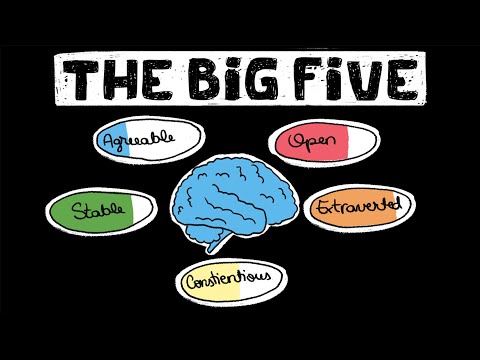
The Big Five Personality Test, also known as the OCEAN model, is a tool that digs deep into what makes you, well, you. It’s all about Openness, Conscientiousness, Extraversion, Agreeableness, and Neuroticism. Each of these traits gives insights into your behaviors and feelings. So, let’s break it down and see how understanding these can impact your mental health.
Thinking about the big picture here? The OCEAN model helps in recognizing patterns in your life. For instance, if you score high in *Openness*, you might be more adventurous or willing to try new things. This trait can lead to higher creativity but could also bring about anxiety when faced with change. Ever felt that push and pull when trying something new? That’s the balance at play.
When it comes to Conscientiousness, this is all about how organized and reliable you are. A high score here usually means you’re good at planning—my buddy who makes amazing to-do lists? Totally conscientious! But if you’re low on this scale, it might relate to issues with procrastination or difficulties in achieving long-term goals. Imagine setting up a project but never quite finishing it; that can take a toll on your mental well-being.
Now let’s chat about being an *Extravert* or an *Introvert*. If you’re high on extraversion, social situations can fill up your energy tank—think parties or group hangouts. But being low on this scale might mean you recharge by spending time alone. Feeling drained after too much socializing? That could be a sign of needing your own space for mental clarity.
Moving on to Agreeableness, this trait covers how compassionate and cooperative you are with others. A high score often means you’re great at forming connections; however, it might also make you more prone to stress if you’re too focused on pleasing others. If you’ve ever found yourself saying «yes» when you wanted to say «no,» that pressure can lead to feeling overwhelmed.
Lastly, there’s Neuroticism. This one’s often tied up with emotional instability—the higher the score, the more likely you are to experience mood swings or anxiety. Like, if small setbacks turn into major catastrophes in your mind? That could signal higher neuroticism levels affecting your mental health.
Understanding where you fall on these scales is like having a personal map for personal growth! You might discover trends that explain why certain situations stress you out or why some friendships shine while others fizzle out.
But here’s the kicker: knowing your scores isn’t just academic fun; it can directly influence how you approach therapy and self-improvement strategies! Therapists often use insights from personality tests like OCEAN as part of treatment plans. Say you’re highly neurotic; awareness of this trait may lead to focused coping strategies for managing those emotional ups and downs.
Exploring these traits opens doors not just for self-discovery but better relationships too! By understanding yourself more deeply, you’ll likely improve communication with friends or family because now you’re aware of what drives your reactions—or theirs!
In essence, embracing the Big Five model isn’t just about labeling yourself; it’s about giving context to who you are emotionally and socially. Tuning into these traits helps pave the way for improved mental health and richer life experiences along the way!
Understanding the Big Five Inventory: Unlocking the Secrets of Personality Traits
The Big Five Inventory, also known as the OCEAN model, is a popular way to categorize personality traits. Basically, it’s about understanding who you are and how you interact with the world. Let’s break down these traits and see how they connect to your mental health.
Openness to Experience refers to how open-minded and imaginative you are. If you’re high in this trait, you probably enjoy trying new things and exploring different ideas. For instance, you might love traveling or diving into weird hobbies. On the flip side, being low in openness might mean you’re more routine-oriented, sticking to what feels comfortable. This trait can affect your mental health by influencing your willingness to embrace change or adapt in tough times.
Conscientiousness is all about being organized and dependable. If you’re high on this scale, chances are you’re great at planning stuff and sticking to deadlines. Think of it like this: whether it’s keeping a clean house or showing up on time for appointments, conscientious folks tend to manage responsibilities well. This can have a huge impact on mental health since being organized can help reduce stress levels.
Extraversion measures how outgoing and social you are. If hanging out with friends energizes you, then you’re likely high in extraversion. These people thrive on social interaction! But if you prefer quiet nights in with just a good book or some Netflix, that’s perfectly fine too—you’re probably more introverted. Your level of extraversion can sway your mood; extroverts often feel happier when surrounded by others compared to introverts who need alone time to recharge.
Agreeableness focuses on how friendly or cooperative you are with others. High agreeableness means you’re compassionate and eager to help out your buddy in need—you know? It’s like when a friend calls for support during a tough breakup; if you’re agreeable, you’ll be there without hesitation. Low agreeableness could mean more conflict with others because it’s harder for those folks to compromise or empathize. Your level of agreeableness can really shape your relationships and overall satisfaction with life.
Lastly, Emotional Stability, which is sometimes flipped as Neuroticism (the opposite), deals with how well you handle stress and negative emotions. Higher emotional stability means more resilience when life throws curveballs at you; think of that person who stays calm during chaos! On the other hand, someone low in emotional stability might feel anxious or overwhelmed easily, which definitely impacts mental wellness.
So basically, these five traits each play their role in shaping who we are and how we manage our mental health daily. They influence everything from our relationships—like how we make friends—to how we tackle challenges when they pop up unexpectedly.
By understanding where we fall on each of these scales—whether it’s high openness or low conscientiousness—we can work towards improving different areas of our lives! It’s kind of empowering when you think about it; self-awareness can lead us down paths of personal growth that ultimately enhance our well-being over time.
Exploring the Big 5 Personality Traits: Definitions and Real-Life Examples
The Big Five personality traits, often referred to as OCEAN, stand for Openness, Conscientiousness, Extraversion, Agreeableness, and Neuroticism. These traits can shape who you are and how you interact with the world. They’re like a framework for understanding personality, and they really influence mental health in various ways. Let’s break it down:
Openness is all about imagination and curiosity. People high in this trait tend to embrace new experiences. They might enjoy trying new foods or learning about different cultures. This can be super beneficial for mental health since being open to experiences can lead to personal growth and resilience. Let’s say you’re someone who loves art—going to galleries or trying out painting could boost your mood.
Conscientiousness relates to your ability to be organized and dependable. High scores here reflect good impulse control and goal-setting skills. Think of someone who always meets deadlines—a conscientious person can manage their stress better because they plan ahead. However, if someone is low on conscientiousness, they might struggle with procrastination or making decisions—leading to higher anxiety levels in certain situations.
Extraversion, oh boy! This trait defines how outgoing you are. An extravert thrives on social interactions; they recharge by being around others. Now imagine a party: an extravert would be mingling and having a blast! This sociability often helps maintain good mental health because social support is key during tough times. In contrast, introverts might feel drained after social gatherings but still find joy in deep conversations with close friends.
Agreeableness refers to how friendly or compassionate you are toward others. High agreeableness means you’re probably sympathetic and warm-hearted—someone people trust easily! It promotes strong relationships that can buffer against mental health issues like depression or anxiety since supportive networks really matter when life gets tough. However, low agreeableness might lead to conflicts in relationships which can ramp up stress levels.
Lastly, we have Neuroticism. This one’s about emotional instability; folks scoring high here may experience mood swings and anxiety more frequently. They might overthink situations or react strongly to stress—imagine fretting about a simple text message forever! Reducing neurotic tendencies through therapy or healthy coping strategies can improve emotional well-being significantly.
So let’s recap how these traits interact with mental health:
- Openness: Encourages exploration which aids resilience.
- Conscientiousness: Planning reduces stress.
- Extraversion: Solid social connections enhance support.
- Agreeableness: Fosters trust; lowers conflict-related stress.
- Neuroticism: High levels may heighten anxiety; managing this helps overall mood.
Identifying where you fall within these big five traits can help you understand yourself better—and maybe even work on areas that need attention for your mental well-being! Knowing this stuff isn’t just academic; it connects directly to how we live our lives day-to-day and manage our emotional landscapes. So yeah, keep these traits in mind next time you’re feeling a bit off—you might just find the key to feeling better was there all along!
You know, the ocean is like this massive, mysterious world filled with wonders. It’s not just about the waves crashing or the salty breeze; there’s some real stuff happening beneath the surface. When we talk about the «Ocean Big Five,» we’re usually looking at five key species: great white sharks, dolphins, humpback whales, elephant seals, and sea turtles. Each of these creatures brings a unique vibe to our oceans, but more than that, they influence our mental health in ways we might not even realize.
Think about it. Imagine standing on a beach; watching the waves roll in and out can be incredibly calming. Studies show that being near water lowers stress levels and helps clear your mind. Interaction with ocean animals can bring awe and joy—feelings that are connected to better mental well-being. I remember once watching a school of dolphins leap through the waves while I was on vacation. Just seeing their playful nature made me feel lighter inside. It’s like they reminded me to take life less seriously for a moment.
So, you might be wondering how these majestic ocean dwellers tie into our mood swings or anxiety levels. Well, engaging with nature has been shown to reduce symptoms of depression and anxiety significantly. It’s all tied to what’s called “biophilia.” This fancy word just means we humans have an innate love for nature and living things. When you think about it, spending time by the ocean or learning about its creatures can spark this sense of connection within us.
But there’s more! These animals also play an essential role in ecosystems which are vital for maintaining balance in our environment—just as balance is crucial for our emotional state. For instance, when sea turtles thrive, it’s a sign of a healthy marine environment; that has ripple effects on everything from fish populations to coastal health.
However, if we’re not careful—like when pollution increases or climate change takes its toll—we risk losing these amazing creatures. And losing them could mean losing that peace we find by the shore or those moments of awe they inspire in us.
At the end of the day, it’s pretty wild how much influence something like the Ocean Big Five can have on us emotionally without us even noticing. So next time you find yourself at an aquarium or looking at videos online featuring these beautiful animals—take a moment to appreciate how they connect you back to yourself and remind you that there’s still magic out there in this vast world!