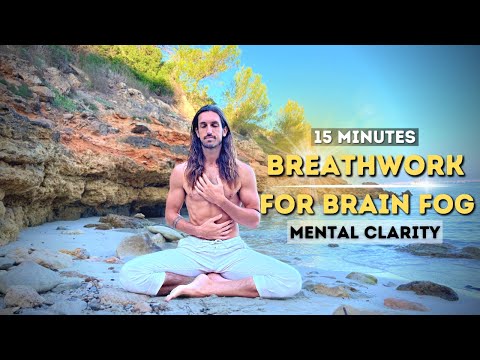
Hey there! Have you ever felt like your mind is just racing non-stop? Like, you can’t catch a break, no matter what you do?
Well, that’s where ocean breathing yoga comes in. It’s this chill approach to yoga that connects you with your breath and the rhythm of the waves. Seriously, it’s like a mini-vacation for your brain!
Imagine taking a deep breath, in and out, feeling all that tension just melt away. Sounds nice, right?
This practice isn’t just about stretching; it helps clear your head and boosts your mood. Let’s explore how it works and why it’s such a great tool for mental health.
Unlock Mental Clarity: Discover the Best Pranayama Techniques for Enhanced Focus
When you think about mental clarity, it’s like trying to find your favorite song in a messy playlist. Sometimes you just need a little help to sort through the noise. One fascinating practice that can help with this is **pranayama**, especially techniques like Ocean Breathing Yoga. This kind of breathing isn’t just about air intake; it’s about focusing your mind and calming your thoughts.
Ocean Breathing, or Ujjayi breath, is often used in yoga. It’s like listening to the soothing sound of waves while you breathe. You inhale deeply through your nose, constricting your throat slightly so the air feels warmer as it flows in and out. This creates a gentle sound—like ocean waves crashing on the shore. It sounds simple, but it’s super powerful when it comes to enhancing focus.
Here are some key points about why Ocean Breathing can boost mental clarity:
- Calms the Mind: Engaging in this technique calms your nervous system. When you’re calm, you’re better able to think clearly.
- Boosts Concentration: By focusing on each breath and the ocean-like sound, you train your brain to concentrate better over time.
- Improves Mood: Many people find that deep breathing helps lift their spirits because it’s linked to reducing stress levels.
To really get into Ocean Breathing, here’s a simple way to practice:
1. Find a comfortable seated position.
2. Close your eyes if that feels good for you.
3. Start by taking a deep breath in through your nose, filling up your belly.
4. As you exhale through slightly constricted lips—think of it as making a ‘ha’ sound—focus on creating that ocean wave sound.
5. Keep it slow and steady; let each breath guide you deeper into relaxation.
I remember when I first tried this technique during a particularly stressful time at work; my mind felt like it was racing all over the place! After just a few minutes of Ocean Breathing, I felt this incredible wave of calm wash over me, and suddenly I could think straight again.
Let’s keep going because there are other pranayama techniques worth exploring too!
Another effective one is **Nadi Shodhana** or alternate nostril breathing. This method helps balance both hemispheres of the brain and can really clarify thought processes.
While you’re practicing these techniques regularly, don’t forget that consistency is key! Even if it’s just five minutes daily, any little bit helps clear out those mental cobwebs.
So if you’re ever feeling overwhelmed or foggy-headed and looking for some clarity—give these pranayama techniques a shot! You might be surprised at how much they can help shift things back into focus again.
When Ujjayi Breath May Not Be Safe: Key Situations to Consider
Ujjayi breath, often called “ocean breathing,” is popular in yoga. It’s all about breathing deeply and slowly, creating a calming sound that mimics ocean waves. Well, it can really help enhance mental clarity and relaxation. But, there are times when this type of breathing isn’t the best choice.
1. Respiratory Issues: If you have conditions like asthma or COPD (chronic obstructive pulmonary disease), using Ujjayi breath might make things tricky. The constriction of your throat while trying to breathe deeply could lead to discomfort or even trigger an asthma attack. Always listen to your body.
2. Anxiety and Panic Attacks: For some folks, focusing too much on breath control can actually ramp up anxiety levels. If you’re already struggling with panic attacks or high anxiety, this technique might feel overwhelming instead of soothing.
3. Recent Surgery: Anyone who’s had recent surgery, especially involving the chest or abdomen, should be cautious with deep breathing practices like Ujjayi. You don’t want to stress any healing areas or cause discomfort during recovery.
4. Heart Conditions: If you have heart issues or are prone to palpitations, it’s wise to approach Ujjayi breath with caution. The technique can sometimes change heart rates and blood pressure in ways that might not be safe for everyone.
5. Pregnancy: Pregnant people might find that certain breathing techniques can feel different as their bodies change. If you’re expecting and curious about Ujjayi breathing, it’s good to chat with your healthcare provider first.
And look, if you’re ever unsure about using Ujjayi breath in your practice for any reason—whether it’s related to health issues or just how you’re feeling that day—don’t hesitate to reach out for guidance from a trained yoga instructor or healthcare professional.
Being aware of these situations is super important when considering using Ujjayi breath in yoga classes or at home. Your mental health journey is personal!
Enhance Your Mental Health and Clarity with Ocean Breathing Yoga | Guided YouTube Session
Ocean Breathing Yoga, also known as Ujjayi breath, is super interesting when it comes to enhancing mental health and clarity. Basically, it’s a breathing technique that mimics the sound of ocean waves. You know, the calm rhythm that washes over you? That’s what this breathing does for your mind.
When you practice Ocean Breathing Yoga, you’re not just focusing on inhaling and exhaling. You’re engaging with your breath in a mindful way. This can help you clear mental clutter. It’s like hitting the reset button on your brain. Imagine sitting on a beach while the waves gently roll in and out; doesn’t that just make everything feel less chaotic?
One of the coolest parts about this technique is how it affects your body. Controlled breathing triggers a relaxation response, which lowers stress levels. So while you’re at home or wherever you are following along with a guided YouTube session, you’re essentially training your body to chill out.
And here’s how it works:
- You start by inhaling slowly through your nose, feeling your chest expand.
- Then, you exhale through slightly constricted lips (like you’re fogging up glasses), making that soothing ocean sound.
- This rhythmic pattern connects your body and mind.
If you’re ever feeling overwhelmed or anxious, just try taking a few minutes to do some Ocean Breathing Yoga. I once had this friend who felt panicky before presentations at work. She started using this technique just before speaking and said it helped her focus like nothing else.
Plus, the guided sessions on YouTube can make things easier! You can follow along with someone who knows what they’re doing without feeling lost or unsure about how long to breathe in or out.
Oh! And don’t forget – doing this outdoors can amp up those good vibes even more! Just being in nature while practicing can boost mood and clarity tenfold.
In short, Ocean Breathing Yoga is a great tool for mental clarity and emotional well-being. Whether you’re dealing with stress from work or just need some quiet time for yourself, give it a try next time you find yourself needing some peace of mind. It might just become one of your go-to relaxation methods!
You know, there’s something really calming about being near the ocean. The sound of the waves, that salty breeze—it just kind of washes over you, doesn’t it? So when I stumbled upon Ocean Breathing Yoga, I was intrigued. Picture this: combining the peacefulness of yoga with the rhythmic essence of the ocean. It’s like a match made in heaven for your mental health.
Here’s what I found out. Ocean Breathing Yoga emphasizes deep breathing, or what they call “ujjayi breath.” This technique mimics the sound of waves rolling in and out. It’s like you’re breathing in sync with the ocean! Seriously, just inhaling deeply and exhaling slowly can make a world of difference in how you feel. When I gave it a shot at this little beachside retreat, I remember feeling my stress sort of dissolve while each breath rang out like a gentle wave crashing on shore.
And let me tell ya, it’s not just about yoga mats and poses; it’s about connecting with nature too. Being surrounded by that vast sea helps clear your mind. Somehow, being aware of something that expansive shifts your perspective on everything else going on in your life. It’s almost like reminding yourself how small your worries can be against such beauty.
But here’s the kicker—for people dealing with anxiety or racing thoughts, this practice is pure magic. Imagine you’re grounded in a yoga pose but feel as light as air because you’re exhaling all that mental clutter with each breath! One time after an intense session, I felt clarity wash over me—like clouds lifting after a storm—my mind was clearer than I’d experienced in ages.
It can definitely take some practice to find that rhythm within yourself though; not every session feels easy-peasy. But hey! That’s okay! Everyone’s journey is different. The important part is showing up for yourself—even if it’s just to hear your own breath for a few minutes.
So yeah, Ocean Breathing Yoga isn’t just about downward dogs and tree poses—it’s this beautiful blend of movement and mindful breathing that enhances mental health by grounding you and helping you release all those heavy thoughts floating around in your head. Worth checking out if you’re looking for some clarity amidst life’s chaos!