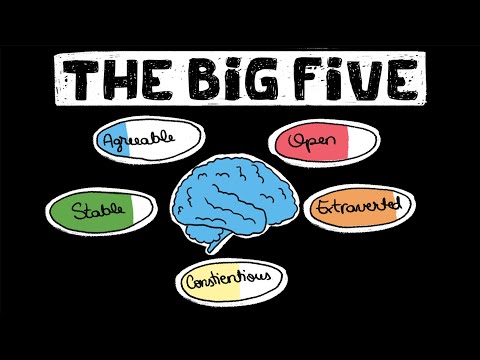
You know how sometimes you feel totally in sync with someone, and other times it’s like you’re speaking different languages? Well, that might just come down to personality traits.
So, there’s this thing called the OCEAN model. It stands for Openness, Conscientiousness, Extraversion, Agreeableness, and Neuroticism. Each of these traits kinda shapes how we think and feel about the world.
Ever wonder how your personality affects your relationships or mental health? Yeah, it’s a big deal! The way we tick influences everything from how we handle stress to how we connect with others.
Let me tell you a quick story. I’ve got a buddy who’s super laid-back and open-minded. And then there’s me—more on the anxious side. When we hang out, it’s wild! He eases my worries but sometimes I feel like I’m dragging him down into my chaos.
So cool stuff happens when personalities clash or mesh! Let’s dig into this ocean of personality traits and see what kind of waves they create in our lives!
Understanding Ocean Personality Traits: Their Psychological Effects Explained (PDF Guide)
Alright, let’s chat about the OCEAN personality traits. You might have heard of this thing called the Big Five personality traits? It’s a popular model in psychology that helps explain how we think, feel, and behave. Each letter in OCEAN stands for a different trait: Openness, Conscientiousness, Extraversion, Agreeableness, and Neuroticism. So yeah, it’s like a little breakdown of your personality.
Openness is all about how willing you are to try new things. People who score high here might love traveling or picking up new hobbies. They tend to be creative and curious. On the flip side, lower scores might indicate someone who prefers routine and sticking to what they know works.
Now, let’s move on to Conscientiousness. This one describes how organized and responsible you are. If you’re high on this scale, you probably keep a tidy home and plan your week ahead. Low scores? Maybe you leave things until the last minute or have a pretty chaotic lifestyle.
Then there’s Extraversion, which is all about how outgoing you are. Extroverts usually thrive in social settings and enjoy being around people. If you’re more introverted? You might find big crowds draining and need some alone time to recharge.
Next up is Agreeableness. This trait measures how friendly or compassionate you are toward others. High agreeableness means you’re likely empathetic and get along well with most people. But if you’re lower on this scale, you could be more competitive or skeptical.
Lastly, we have Neuroticism. Yikes! This one can be a bit tricky because it relates to emotional stability. If someone has high neuroticism, they may experience mood swings or anxiety more often than not. Meanwhile, those with low scores tend to be calmer in stressful situations.
So why does all of this matter? Well, understanding these traits can really help with self-awareness. For instance:
- If you know you’re low in openness, that can guide your personal growth.
- A higher score in conscientiousness might lead to success at work.
- Being aware of your agreeableness can shape your relationships.
You see, knowing where you fall on these scales gives insight into why you react the way you do in certain situations.
Think about Sarah—she’s super agreeable but struggles with neuroticism when things don’t go as planned at work; her worries escalate quickly into full-on anxiety about her performance reviews! Understanding her specific traits could really help her manage those feelings better.
So yeah, that’s the lowdown on OCEAN personality traits! They’re like tools for getting a grip on yourself and understanding why people act the way they do—pretty cool stuff if you ask me!
Unlocking Self-Insight: Understanding the OCEAN Personality Test and Its Impact on Mental Health
So, the OCEAN Personality Test, also known as the Big Five Personality Traits, is a super interesting way to get some insight into yourself and how you interact with the world. The acronym OCEAN stands for **Openness, Conscientiousness, Extraversion, Agreeableness**, and **Neuroticism**. Each of these traits captures a part of who you are.
Openness is all about your willingness to explore new ideas and experiences. If you’re high in this trait, you probably love trying out different foods or diving into new hobbies. If you’re on the lower end, you might prefer sticking with what’s comfortable. Think about a time when you tried something totally out of your norm—how did it feel?
Then there’s Conscientiousness. This trait highlights how organized and reliable someone is. High scorers often plan ahead and are detail-oriented. They’re like that friend who meticulously organizes everything for a group trip. On the flip side, low scorers can be more spontaneous but might struggle with follow-through on commitments.
Next up is Extraversion. This measures how outgoing and social you are. If you’re the life of the party, chances are you’ve got high levels here. People high in extraversion tend to thrive in social settings and feel energized around others. In contrast, those who score low may enjoy their alone time more and often recharge by spending time away from big crowds.
Moving on to Agreeableness, which reflects your tendency to be compassionate versus competitive. Those high in agreeableness typically prioritize getting along with others over winning arguments or being right. They’re like that friend who always says yes when you’re making plans—friendly and easygoing! However, lower scores might indicate someone who’s more skeptical or competitive—they can definitely bring an edge!
Lastly, there’s Neuroticism, which relates to emotional stability. If you experience feelings like anxiety or mood swings frequently, that’s likely higher neuroticism showing up. People with low neuroticism tend to be more emotionally resilient—less likely to sweat the small stuff.
Now let’s think about how these traits can connect to mental health. For example:
- High Neuroticism: This trait can relate to increased levels of anxiety or depression because folks high in this area may often ruminate over negative thoughts.
- Low Conscientiousness: A person might struggle with procrastination or poor organizational skills, impacting their work life or studies.
- High Agreeableness: While it sounds nice to be agreeable, individuals might find it hard to assert themselves when needed.
Understanding where you fall on these scales can give you valuable self-insight! For instance, maybe after taking the test you realize you’re super high in openness but low in conscientiousness—you could then focus on finding strategies that help manage your spontaneity while still keeping some structure.
Moreover, therapy can also benefit from this kind of personality insight; therapists often tailor their approaches based on someone’s personality traits. So if they know you’re low in agreeableness but highly conscientious, they might encourage techniques that help soften critical thoughts without compromising your drive.
In short, diving into the OCEAN traits isn’t just about learning fun facts; it’s about gaining tools for better mental health management! So next time you’re thinking about how you see yourself—and even why you do certain things—consider taking a peek at where you land within these five traits!
Discover Yourself: Understanding the Big Five Personality Test for Personal Growth
The Big Five Personality Test, also known as the OCEAN model, is like peeking into your own mind. Seriously, it’s a fascinating way to understand yourself better. The name OCEAN stands for **Openness, Conscientiousness, Extraversion, Agreeableness**, and **Neuroticism**. Each of these traits paints a picture of who you are and can really help with personal growth.
Let’s break it down a bit.
**Openness** is all about how open you are to new experiences. People high in this trait love adventure and creativity. They’re usually more willing to try new things—like experimenting with different hobbies or cuisines. If you find yourself saying “yes” to that new dance class or exploring different art styles, you might score high here.
Next up is **Conscientiousness**. This one reflects how organized and dependable you are. Are you the type who keeps a detailed planner? Maybe you’re always on top of deadlines? Those high in conscientiousness tend to be disciplined and good at setting goals. If planning ahead feels like second nature to you, that’s a sign this trait shines in your personality.
Then there’s **Extraversion**, which you can probably guess is related to how outgoing or social someone is. If you’re the person who thrives at parties or loves chatting with everyone at work, you’ve got some extraversion going on! On the flip side, people lower in this trait might prefer quiet nights in over loud gatherings.
Moving on to **Agreeableness**, which tells us how friendly and compassionate you are towards others. Higher scores typically mean you’re empathetic and cooperative—definitely great qualities when building relationships! If helping friends or being kind feels good for you, then agreeableness plays a big role in your personality.
Lastly comes **Neuroticism**. This one’s a bit tricky because it involves emotional instability—like if stress gets to you or if you’re often anxious about things. High scores here might mean that you’re more sensitive to stressors compared to others who handle pressure like pros. Recognizing where you stand on this spectrum can help inform which coping strategies work best for you.
Looking at these traits together gives insights into how we interact with the world around us—and that’s where the growth part comes into play! For example, if you discover you’re low on openness but want to explore more creatively, maybe try signing up for an art class or learning a musical instrument! Little steps like that can lead to big changes over time.
And sure, while these traits don’t define us completely (everyone has their own unique blend), understanding them can definitely point out areas for improvement and personal development potential.
So next time you’re curious about yourself or looking for ways to grow personally—consider diving into the Big Five Personality Test! It’s like having a mirror that reflects not just what’s there but what could be too.
You know how some people just seem to fit into certain personality molds? Like, you can totally see the differences in how they express themselves or handle things. Well, there’s this cool framework called the “OCEAN” model, which stands for Openness, Conscientiousness, Extraversion, Agreeableness, and Neuroticism. These traits can actually give a pretty good idea of someone’s personality.
Think about it for a sec. If you’re high in openness, you probably love new experiences and ideas. Maybe you’re that friend who’s always suggesting the weirdest restaurants or traveling to far-off places. That sense of curiosity can make life pretty rich but might also lead to some anxiety when facing the unknown. I remember my buddy Sam going on a solo trip across Europe—he was terrified at first but ended up discovering a ton about himself!
Then there’s conscientiousness, which is all about being organized and reliable. If you’re high on this trait, maybe you find comfort in planning everything out and sticking to a routine. That’s great for achieving goals but sometimes it can feel like a constant pressure to keep things together. One time I tried being more organized like that—made lists and scheduled everything—and yeah, it felt good initially but also kind of exhausting after a while.
Extraversion is another big one! People who score high on this tend to be social butterflies; they thrive in group settings and get energy from others. But imagine what happens if an extravert finds themselves isolated for too long—they might feel really down or even anxious! My cousin Maria was super extroverted until she got stuck working from home during the pandemic; she struggled hard with feeling lonely.
Agreeableness? That’s all about being cooperative and kind-hearted. High scorers tend to really care about other people’s feelings—which is amazing! But sometimes that can lead them to neglect their own needs because they’re so focused on keeping peace. I had this friend named Lisa who was always going out of her way for others but ended up feeling burnt out after saying yes too many times.
Lastly, we’ve got neuroticism—this one’s tricky because it involves emotional instability and tension. If you’re higher in this trait, you might experience mood swings or anxiety more frequently than others do. It was tough watching my brother struggle with these intense emotions; he would get super overwhelmed by small things that seemed insignificant to me.
All these traits interact in complex ways within each person: some manage the balance well while others don’t quite get there as easily. It’s interesting how understanding these oceanic depths of personality can help us make sense of our own behaviors and those of our friends or family members too! So yeah, next time you’re chatting with someone who seems like they’ve totally got their vibe down—it could be pretty enlightening to think about which traits they might lean into most!