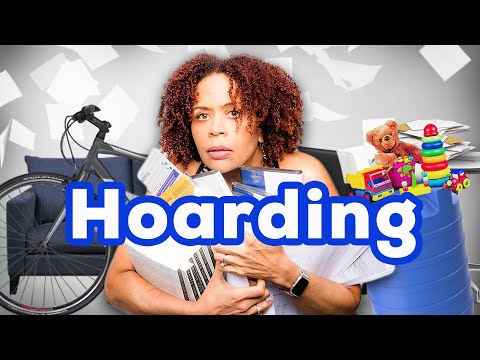
Okay, so let’s chat about something that might hit a little close to home for some folks: OCPD and hoarding. You know, those moments when you just can’t let go of stuff?
It’s like your space starts to feel like a treasure trove—or maybe a junkyard—depending on how you look at it. I mean, who hasn’t held onto that random old shirt or the collection of faded movie tickets?
But here’s the kicker: it’s not just about being a pack rat. For some people, it goes deeper. The anxiety, the struggle to make decisions, and the need for control can really mess with your head and your life.
So stick around as we dig into what OCPD (that’s Obsessive-Compulsive Personality Disorder) looks like and how it connects to hoarding behaviors. We’ll also dive into some ways to find relief and tackle these challenges head-on. Sound good?
Exploring the Best Medications for Treating Hoarding Disorder
Hoarding disorder can be a tough one to crack. Seriously, if you’ve ever watched a show about it, you might think it’s just about clutter. But there’s way more going on underneath. So, when we look at treating hoarding disorder, especially with medications, we need to think carefully.
First off, it’s important to know that hoarding often goes hand-in-hand with Obsessive-Compulsive Personality Disorder (OCPD). People with OCPD might feel an intense need for order and control, which can lead to excessive collecting and difficulty discarding items. It’s not just about the stuff; it’s really about the emotional ties they have to those items.
When it comes to medication, there are a few options that doctors might consider. Most commonly, they lean on **selective serotonin reuptake inhibitors (SSRIs)**. These are a type of antidepressant that can help manage anxiety and obsessive thoughts. Fluoxetine (you might know it by its brand name Prozac) is one of the ones often prescribed for hoarding disorder. Studies have shown it can help reduce some of the compulsive behaviors tied to hoarding.
Other medications could also pop up in discussions. Sometimes **clomipramine**, an older antidepressant used mainly for OCD, gets mentioned too. It’s not as popular as SSRIs due to side effects but has shown some effectiveness in studies.
But here’s the thing: meds alone aren’t a magic bullet. They’re usually part of a bigger picture that includes therapy—specifically cognitive-behavioral therapy (CBT). This type of therapy focuses on changing unhelpful thoughts and behaviors related to hoarding.
Now onto something crucial: the combination of meds and therapy is often what makes a difference. You know how they say teamwork makes the dream work? Well, with hoarding disorder treatment, that’s super true! For example, while medication might help reduce anxiety or compulsions, therapy can teach skills like decision-making and organizing.
It’s also essential for anyone considering medication for hoarding disorder to have close follow-ups with their healthcare provider. It can take time to find what works best for each person; everyone responds differently!
Finally, let’s touch on something emotional—getting help can feel daunting but taking that first step is so important! One client I had shared how overwhelming their space was; they felt trapped. After working through treatment options together—including getting meds—there was real progress! They started shedding items and felt lighter emotionally too.
In short: medications like SSRIs may help manage symptoms associated with hoarding disorder along with therapies like CBT being there as strong support pillars in treatment plans. And hey, reaching out for support is seriously brave; remember you’re not alone in this journey!
Understanding the Link Between OCPD and Hoarding: Signs, Symptoms, and Solutions
Understanding the connection between **Obsessive-Compulsive Personality Disorder (OCPD)** and **hoarding** can feel a bit like untangling a ball of yarn. You’ve got emotional threads that intertwine, making it tricky to see where one starts and the other begins.
OCPD is often defined by a preoccupation with orderliness, perfectionism, and control. People with OCPD tend to have strict rules about how things should be done. It’s not like your regular OCD where someone might obsess over germs or get stuck in rituals; instead, OCPD is more about a mindset—an unwavering belief that there’s a right way to do everything.
Now, let’s talk about hoarding. It’s more than just keeping things for sentimental value or being disorganized. It’s a persistent difficulty in discarding possessions, regardless of their actual value. For someone who hoards, these items aren’t just clutter; they’re attached to memories, fears of loss, or even perceived security.
So what happens when you mix OCPD with hoarding? It’s weirdly complicated because while people with OCPD may also exhibit behaviors that lead to excessive collecting or saving items, their motivation stems from their need for control and order rather than sheer inability to part with things.
Some signs and symptoms worth paying attention to include:
- Excessive organization: If you find yourself needing every item in your home positioned perfectly and feeling anxious if things are out of place.
- Difficulty making decisions: You may struggle to decide what to keep vs. what to discard.
- Fear of losing control: There’s often an underlying anxiety about letting go.
- An overwhelming need for perfection: Items might be kept because they’re «almost» usable or could be fixed someday.
Imagine you’re at a friend’s house who has trouble letting go of broken furniture because they have this perfectionist idea that it can be restored. The room is full of items they don’t use but can’t part with due to unrealistic expectations about using them someday.
When it comes down to treatment options for these overlapping conditions, you might hear professionals talk about therapy as the frontline approach. Cognitive Behavioral Therapy (CBT) can help individuals recognize irrational beliefs driving their behaviors.
Additionally, exposure therapy could work wonders here too. This means gradually exposing someone who hoards to the idea of discarding items slowly over time while helping them cope with the anxiety that arises.
In some cases where symptoms are severe enough, medication might also play a role—though this is more common for managing anxiety disorders overall than for treating OCPD or hoarding specifically.
Awareness is crucial! If you notice signs in yourself or someone else that link OCPD and hoarding together, reaching out for support can make all the difference. Whether it’s talking through feelings in therapy sessions or joining support groups specifically aimed at coping strategies—recognizing there’s an issue is the first step towards change!
You see? Untangling these threads isn’t easy—but understanding them sets you on the path toward finding solutions that can lead to healthier habits and emotional relief.
Understanding the Mind of a Hoarder: The Psychology Behind Compulsive Collecting
Honestly, when you think about hoarding, it can seem pretty baffling, right? You might imagine a room stuffed with stuff—like a lifetime’s worth of newspapers or random trinkets. But what’s really going on in the mind of a hoarder is more complex than that.
Hoarding is often tied to Obsessive-Compulsive Personality Disorder (OCPD), but not always. So, first off, let’s break this down. People with OCPD generally have a strong need for order and control. They might feel anxious if things aren’t perfectly organized or if there’s even a hint of uncertainty. This need for perfection can lead to accumulated items because each one seems too valuable or important to let go of.
Then there’s the emotional side of things. Lots of hoarders cling to their possessions because they see them as extensions of themselves. Each item tells a story or holds sentimental value—even if it’s, like, an old lottery ticket! It’s not just “stuff,” you know? It’s memories, people, experiences—all wrapped up in physical form.
Treatment for hoarding usually involves therapy rather than just cleaning out the space—it’s about changing thought patterns too. Cognitive-behavioral therapy (CBT) is often used here to help individuals challenge their beliefs about their possessions and develop more functional behaviors. One key approach in therapy is gradually exposing someone to the idea of letting go—maybe starting with less sentimental items before moving on to more meaningful ones.
The emotional struggle can be intense. Picture someone who has just cleaned out a small corner of their home but finds it so overwhelming to see empty space that they immediately fill it back up with junk they don’t even want anymore! It’s like this tug-of-war between wanting change and feeling paralyzed by fear.
Also, it’s interesting how many hoarders often don’t realize how much their stuff controls them until someone points it out. Have you ever tried cleaning out your closet and found it way harder than you expected? That struggle is magnified when we’re talking about entire homes filled with clutter—it becomes part of their identity!
Understanding the psychology behind hoarding can also shine light on why so many people resist treatment or don’t think they need help at all. There’s this deep-rooted belief that every item has purpose or significance—even if those reasons seem illogical to others.
In summary, getting into the mind of someone who hoards means recognizing not only their attachment to physical objects but also what those objects represent emotionally and psychologically. The journey toward recovery is often long and challenging, filled with setbacks—but acknowledging these complexities helps both individuals and loved ones navigate this tough road together.
So, let’s chat about something that often gets overlooked—OCPD, or Obsessive-Compulsive Personality Disorder, and hoarding. They’re like those roommates who just don’t get along, right? You may have heard of hoarding as this extreme issue that gets portrayed on reality shows. But the truth is, it’s often tied up with OCPD in a way that can be really tough for folks living with it.
Let’s say you know someone who can’t throw anything away. They’ve turned their garage into a mini-museum of all the “important” stuff they’ve collected over the years. It could be old newspapers, broken furniture, or that collection of fast-food toys from 1995. At first glance, it sounds a bit bizarre and even comical. But dig a little deeper and you might find there’s something more going on.
People with OCPD often believe that if things aren’t done their way—super organized and structured—the world might just fall apart. Everyday tasks can turn into enormous struggles because of this relentless need for order. When you combine that with hoarding tendencies, it’s like creating this emotional cage made of clutter.
I remember chatting with a friend who’d been grappling with both OCPD and hoarding behaviors. They described feeling overwhelmed by the mess but equally terrified to part with it all. It was like being stuck between a rock and a hard place. On one hand, there was this urge to declutter; on the other, an overwhelming fear of losing control over something they held dear—even if it was just an empty cereal box!
When we’re talking treatment for these issues, it isn’t always straightforward. Therapy usually leans into cognitive-behavioral approaches—basically helping folks challenge those pesky thought patterns that keep them stuck in cycles of anxiety and fear related to throwing things away or letting go of control.
Some therapists even use exposure therapy to create gradual experiences where people confront their fears about decluttering in small steps rather than all at once. It’s about building confidence slowly: learning to throw away one item today instead of feeling like you have to tackle the whole house at once.
Also, medication can sometimes play a role when anxiety is through the roof; though that should always be worked out in consultation with a qualified provider.
At its core though? The journey can feel isolating but it’s essential to recognize you’re not alone—countless others are navigating similar waters. There’s hope and healing found in connecting through therapy and community support.
And here’s the kicker: Recovery doesn’t mean you’ll become someone completely different; it’s more about finding balance and reclaiming space—not just physically but emotionally too! So if you’re feeling stuck or know someone who is dealing with OCPD or hoarding behaviors? Just remember: change takes time. Celebrate those small victories along the way because they totally count!