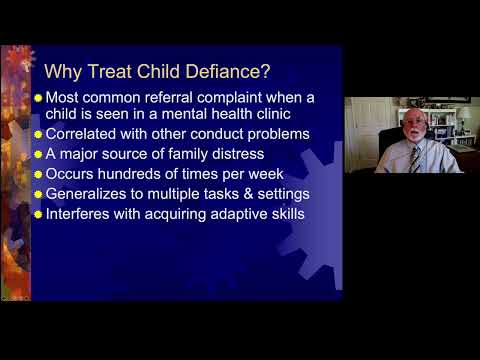
Alright, so let’s chat about something that often flies under the radar: ADHD and ODD in adults. Sounds a bit heavy, huh? But trust me, it’s super relatable for a lot of folks.
Imagine you’re juggling tasks at work. You start one thing, get distracted by another, and before you know it, the day’s gone. Yup, that’s ADHD talking. Then there’s ODD—which can totally play into all this. It’s like your brain’s saying “nope!” when you really want to follow the rules.
A lot of us deal with these struggles but feel kinda lost in the mental health system. You know? It can be confusing figuring out where to turn for help or even what help looks like.
So let’s break it down together. We’ll dig into what these conditions mean when you’re an adult and how to navigate this wild mental health landscape. Sound good? Let’s go!
Effective ABA Strategies for Managing Oppositional Defiant Disorder (ODD)
It’s definitely challenging when you’re navigating something like Oppositional Defiant Disorder (ODD), especially in the context of ADHD. So, let’s break down some effective ABA strategies that can really make a difference.
Understanding ODD is key. It’s like having a constant battle with authority. People with ODD often seem irritable, argumentative, or defiant. They might struggle to follow rules and may often end up getting into conflicts. When ADHD is in the mix, it can complicate things even further since impulsivity and hyperactivity can exacerbate oppositional behaviors.
Now, Applied Behavior Analysis (ABA) focuses on understanding and changing behavior through positive reinforcement rather than punishment. One strategy that works well is positive reinforcement. Basically, when someone with ODD follows a request or behaves appropriately, they should get a reward. This could be as simple as praise or a small treat. You know what I mean? A little encouragement goes a long way.
Another effective strategy is clear communication. This means being direct about what you expect from someone. Instead of saying “Don’t be rude,” try something like “Please use kind words.” This clarity helps eliminate confusion and sets them up for success.
Next up is consistency. And I can’t stress this enough! Establishing consistent responses to behaviors helps create trust and predictability. If you say there will be consequences for certain actions, follow through every time—no exceptions!
Also, consider using visual aids. Sometimes showing expectations visually makes it easier to understand than just verbalizing them. For instance, using charts or checklists can help someone with ODD stay focused on what they’re supposed to do throughout the day.
And don’t forget about modeling appropriate behavior. Show them how you want them to act by demonstrating those behaviors yourself. If you want calm discussions during disagreements, keep your tone calm and respectful too. It’s kind of like leading by example—you know?
Finally, practicing self-regulation techniques, such as deep breathing or counting to ten before responding to frustration, is super helpful for managing emotions in the heat of the moment.
Overall, navigating ODD in adults—especially when ADHD is part of the picture—requires patience and tailored strategies that account for individual needs and challenges. By fostering an environment filled with positivity and clear expectations, you’re not just managing symptoms; you’re promoting healthier interactions overall.
Effective Strategies for Managing Oppositional Defiant Disorder (ODD) in Adults
Managing Oppositional Defiant Disorder (ODD) in adults can feel like navigating a maze sometimes. You might be dealing with a lot of frustration and challenges in relationships, work, and even within yourself. The thing is, ODD doesn’t just disappear when you hit adulthood; it evolves, and so do the strategies to manage it effectively.
First off, one critical aspect is understanding your triggers. That’s where you can start making changes. Think about situations that tend to spark rebellious or argumentative behavior. Maybe it’s when someone questions your decisions or when you’re under stress at work. Recognizing these patterns can help you prepare for them.
Another important strategy is **communication**—and I mean clear and respectful communication. Adults with ODD often struggle with authority and following rules, but expressing feelings without getting defensive can make a difference. If you’re feeling overwhelmed, try saying something like, “I need a break right now” instead of snapping back at someone. This way, you set boundaries without escalating conflict.
Also, consider **self-regulation techniques**—simple things that help you control impulses or frustrations in real-time. Breathing exercises can be super helpful; just take a moment to breathe deeply before reacting to something that annoys you. You’d be surprised how much just taking a few seconds can change your response.
And hey, don’t forget about **therapy**! Engaging with a therapist who understands ODD can provide personalized strategies and support tailored just for you. Cognitive-behavioral therapy (CBT), for instance, focuses on changing negative thought patterns into more positive ones which could help reduce those pesky oppositional behaviors.
Support groups are also worth checking out if you’re looking for community understanding. Being around others who get what you’re going through can feel incredibly validating while also teaching new coping strategies through shared experiences.
On the medication front—not that I’m here to give medical advice—but some individuals might benefit from medications like mood stabilizers or antidepressants if they have concurrent conditions like anxiety or depression alongside ODD symptoms.
So yeah, there’s no one-size-fits-all approach here. Every situation is unique—the key is finding what resonates best with you personally in managing those ODD traits while cultivating healthier relationships with yourself and others around you.
- Know your triggers.
- Practice clear communication.
- Implement self-regulation techniques.
- Consider therapy for tailored support.
- Explore support groups for community connections.
While it may seem tough at times, keep pushing forward because managing adult ODD is absolutely possible! It’s all about taking small steps toward positive change rather than expecting overnight results. You’ve got this!
Effective Strategies for Managing Oppositional Behavior in Adults: Tips for Better Relationships
It can be really tough dealing with oppositional behavior in adults, especially if you’re navigating it alongside ADHD or other challenges. You know, that feeling when all you want is a smooth conversation, but everything feels like an uphill battle? That’s what oppositional behavior can do. So, let’s break down some effective strategies to help manage this and improve relationships.
Communication is key. Seriously! When you’re talking with someone exhibiting oppositional behavior, try to stay calm and open. Instead of saying “You never listen,” try “I feel unheard when we discuss this.” This shift makes it less about blame and more about feelings, which can help diffuse tension.
Another solid approach is setting clear boundaries. Boundaries provide a framework for acceptable behavior. For example, if they often interrupt during conversations, say something like, “I’d like us to take turns speaking.” This way, you’re not just pointing out the bad behavior—you’re providing a solution.
Now let’s chat about positive reinforcement. People often respond better to praise than criticism. If they show even small signs of cooperation or engage in the conversation positively, recognize that! Tell them «I really appreciate how you listened during our last chat.» It encourages more of that good stuff.
It’s also important to practice empathy. Understanding where the other person comes from can work wonders. They might have their reasons for acting out—stressors from work or personal issues could be at play. Showing that you get it doesn’t excuse the behavior but helps both parties acknowledge each other’s feelings.
And here’s something huge: pick your battles. Not every disagreement needs to escalate into a full-blown argument. Ask yourself how important is this issue? If it’s not worth it in the grand scheme of things, let it slide. Sometimes choosing peace over being right is the way to go.
You might also consider collaborative problem-solving. Instead of dictating solutions, involve them in figuring things out together. For instance, ask “What do you think would help us communicate better?” This invites them into the process rather than making them feel attacked.
Finally, if things are still rocky despite your best efforts? Don’t hesitate to reach for professional help. Therapy can offer strategies tailored specifically for managing oppositional behavior and any underlying conditions like ADHD. It’s not a sign of defeat; it’s just another tool in your toolbox.
So yeah, managing oppositional behavior effectively takes patience and practice but using these strategies can really enhance relationships over time. You got this!
Navigating ADHD and ODD in adult mental health care can feel like walking through a maze, you know? It’s complicated and sometimes frustrating. I mean, think about it. You’ve got ADHD, which is all about that whirlwind of thoughts and distractions pulling you in every direction. Then there’s ODD, or Oppositional Defiant Disorder—a fancy way of saying someone might have a tendency to argue or refuse to comply with rules. Juggling those together? That’s a lot.
I remember chatting with a friend who had been diagnosed with both ADHD and ODD in her teens. She was feeling overwhelmed as an adult, trying to keep things together while balancing work and relationships. She described therapy sessions filled with emotions–sometimes funny, often messy—as she tried to unpack her experiences. One moment she’d be laughing at how her mind raced from one thought to another; the next moment, she’d get angry just thinking about authority figures or expectations at work.
Here’s the thing: adult mental health care isn’t always as straightforward as we wish it would be. Finding the right therapist—someone who truly gets these conditions—can take time. You want someone who can see beyond the labels and understand your individual struggles and strengths.
Medication might come up too, but it’s not one-size-fits-all, you know? Some people find that medication helps them focus better or manage impulses, while others don’t feel it’s right for them. It’s really about what works for you personally.
Support systems are huge in all of this too—lean on friends or join support groups where everyone gets what you’re going through. Sharing stories can make all that chaos feel a little less isolating.
So yeah, navigating through ADHD and ODD in adulthood is definitely a journey full of ups and downs. Just remember that you’re not alone on this path; there are ways to cope and people out there ready to help you navigate those maze-like twists and turns!