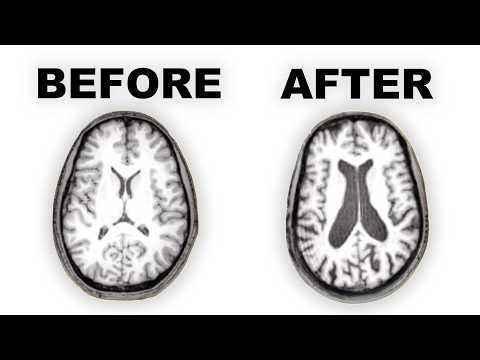
Alright, so here’s the deal. You’ve probably heard of olanzapine, right? It’s one of those meds that docs often prescribe for things like schizophrenia or bipolar disorder.
But, like, there’s this nagging question out there: can it become addictive? You know, is it something you gotta worry about if you’re taking it?
Let’s break it down together. I mean, understanding these things can really help you make informed choices about your mental health treatment. So, stick around—we’re gonna chat about the good, the bad, and everything in between!
Understanding Olanzapine: Can It Lead to Addiction?
So, let’s chat about olanzapine, huh? It’s one of those medications that makes waves in the world of mental health. You might’ve heard about it being used for conditions like schizophrenia and bipolar disorder. But there’s this big question hanging in the air: “Can olanzapine lead to addiction?” Let’s break it down together.
First off, **olanzapine is classified as an atypical antipsychotic**. What that means is, it helps manage symptoms by balancing chemicals in your brain, especially dopamine and serotonin. These are like the party planners for your mood and emotions. So basically, when they’re out of whack, you can really feel it.
Now here’s the thing: **olanzapine isn’t known to be addictive** in the same way substances like opioids or alcohol can be. Addiction usually involves a compulsive need for a substance and a cycle of withdrawal when you stop. Most studies show that people taking olanzapine don’t experience cravings or dependence, which is kind of a relief.
However, it’s not all sunshine and rainbows! Some folks do experience side effects that might feel uncomfortable or distressing. This could lead them to self-medicate with other substances to manage those feelings. So while olanzapine itself isn’t habit-forming, it could play a role in someone deciding to use other drugs or alcohol as a coping mechanism.
And then there’s the weight gain issue – that’s something you definitely want to talk about with your doc if you’re prescribed this med. Many people on olanzapine report noticeable weight changes, which can affect self-image and lead some into unhealthy habits or even depression.
But **let’s clarify**: using olanzapine under medical supervision is considered safe for most individuals dealing with serious mental health conditions. It’s important to work closely with your mental health provider when starting or stopping this medication because abrupt changes can lead to complications—like returning symptoms or even withdrawal-like effects without being truly addictive.
In summary:
- Olanzapine is not addictive like narcotics or alcohol.
- Its main function is to balance brain chemicals related to mood.
- Some patients may experience uncomfortable side effects.
- Weight gain can be a significant issue worth discussing with your doctor.
- Always work closely with your healthcare provider regarding this medication.
So yeah, while you don’t have to stress about becoming addicted to olanzapine itself, it’s still crucial to stay informed and communicate openly about any concerns you have during your treatment journey!
Understanding the Risks of Olanzapine: What You Need to Know for Mental Health Management
Sure thing! Let’s talk about Olanzapine and what you should know if it’s a part of your mental health management. This medication is mainly used to treat conditions like schizophrenia and bipolar disorder. Like any medication, it’s got its pros and cons. Here’s the lowdown.
First off, Olanzapine isn’t considered addictive. You won’t find people getting hooked on it like they might with some other meds or substances. But that doesn’t mean it comes without risks.
Now, let’s break down some important points about Olanzapine:
- Weight Gain: One of the most common side effects is significant weight gain. Seriously—some people can pack on quite a few pounds while on this medication. It’s crucial to keep an eye on your diet and activity level.
- Metabolic Syndrome: Along with weight gain, this med can mess with your metabolism, leading to issues like diabetes. Regular check-ups are key to catching any changes early.
- Sedation: Feeling drowsy? You’re not alone. Olanzapine can really knock you out, especially when you start taking it or increase your dose. Just be cautious when driving or operating heavy machinery!
- Movement Disorders: Some folks might experience involuntary muscle movements or tremors called tardive dyskinesia after long-term use. This can be pretty distressing and is something you should discuss with your doctor.
- Withdrawal Symptoms: If you decide to stop taking Olanzapine suddenly instead of tapering off under a doc’s guidance, you might face some withdrawal symptoms like insomnia or anxiety.
Now let’s talk about the emotional side for a sec. I remember a friend who was on Olanzapine for her bipolar disorder. She did notice the weight gain—which was tough for her self-esteem—but she also found that the med helped stabilize her mood like nothing else had before. That balance between managing side effects and gaining control over mental health can be super tricky!
In terms of addiction risk? You need to be aware that dependence isn’t typically an issue here, but the way it alters brain chemistry definitely has implications for how you feel overall.
It’s absolutely critical that if you’re taking Olanzapine—or considering it—you stay in touch with your healthcare provider regularly about any side effects or concerns you have. They can help tailor your treatment plan better based on how you’re feeling.
So just remember: Olanzapine isn’t addictive, but it’s not without its risks either! Keep talking with your doc, watch out for those side effects, and take care of yourself as you navigate through treatment options. It’s all about finding what works best for you!
Understanding Olanzapine: Uses, Benefits, and Effects in Mental Health Treatment
So, let’s chat about olanzapine. You might have heard of it as a medication used to treat mental health conditions like schizophrenia and bipolar disorder. People often wonder about its uses, benefits, and effects, especially when it comes to the potential risk of addiction.
What is Olanzapine?
Basically, olanzapine is an antipsychotic medication. It works on certain chemicals in the brain that are out of balance in folks with severe mental health issues. It helps people manage symptoms like hallucinations, delusions, and extreme mood swings.
Uses in Mental Health Treatment
Olanzapine is primarily used for:
- Schizophrenia: Helps reduce psychotic symptoms.
- Bipolar Disorder: Used during manic or mixed episodes.
- Aggression: Sometimes prescribed for severe anger issues or agitation.
Now you might be wondering how this stuff actually helps people feel better. The cool thing is that olanzapine can really stabilize mood and make life feel more manageable again.
The Benefits of Olanzapine
Using olanzapine can have some significant benefits:
- Smooths out symptoms: It often helps decrease those intense feelings that can feel overwhelming.
- Eases daily life: People report improved functioning in everyday situations—like work or school.
- Cuts down on hospital visits: Many find they don’t need to go to the hospital as often when they’re on this medicine.
But here’s the thing—you gotta keep an eye on potential side effects too. Some folks experience weight gain, drowsiness, or even changes in blood sugar levels. So it’s super important to check in with a healthcare provider regularly.
Is There a Risk for Addiction?
Now let’s get into the juicy question: Can olanzapine lead to addiction? The answer is not really. Unlike some medications that create dependence—like opioids for pain relief—olanzapine isn’t known for being habit-forming.
Research suggests that while it can impact how someone feels—especially when starting or stopping—it doesn’t usually lead to cravings like you’d see with addictive substances. Basically, your body doesn’t start needing more and more of it just to function normally.
Of course, this doesn’t mean you shouldn’t be cautious! Stopping olanzapine suddenly can cause withdrawal symptoms, so you definitely want to work closely with your doctor if you’re thinking about changing anything about your meds.
In short, olanzapine, while helpful for many struggling with their mental health, does come with its own set of considerations. So if you or someone you know is using it—or thinking about using it—just remember it’s all about keeping an open line of communication with healthcare providers and being mindful of how it affects each individual person.
So, let’s chat about Olanzapine. If you’ve heard of it, you probably know it’s one of those medications used to treat things like schizophrenia and bipolar disorder. Now, when people start taking meds, there’s always some worry about addiction. You know? It’s like you pop a pill thinking it’ll help, but then the fear creeps in: what if this becomes a crutch?
Olanzapine is an atypical antipsychotic, which basically means it works differently than older antipsychotics by targeting various neurotransmitters in your brain. It can help with symptoms like hallucinations or mood swings. But here’s the kicker—you usually don’t hear about people getting addicted to it in the same way they might with opioids or even benzodiazepines.
I had a friend once who struggled with managing her bipolar disorder. She was prescribed Olanzapine, and at first, she was terrified of becoming dependent on it. “What if I can’t cope without it?” she would say. And I totally get that worry; feeling reliant on anything can freak you out! But after some time and discussions with her psychiatrist, she started to see that it wasn’t about becoming addicted. It was more about managing her symptoms so she could live her life better.
You see, Olanzapine isn’t known for causing cravings or withdrawal in the same way addictive substances do. That doesn’t mean everyone will have a smooth ride—some people experience side effects that can be rough to handle. Weight gain? Yep, that’s a common one! And the thing is, if someone feels bad because of their meds, they might stop taking them altogether which isn’t great for their mental health.
So basically, while Olanzapine carries its own set of concerns—like potential weight gain or sedation—it doesn’t typically lead someone down the path of addiction as other substances might. If you’re on this medication or considering it, having open conversations with your healthcare provider is key. They can help guide you through side effects and what to expect.
And look: mental health treatment isn’t one-size-fits-all. Everyone has their own journey through this maze we call life—and sometimes that includes finding the right balance with medications like Olanzapine without falling into addiction traps. It’s all about finding what works best for you while keeping an eye on your health overall!